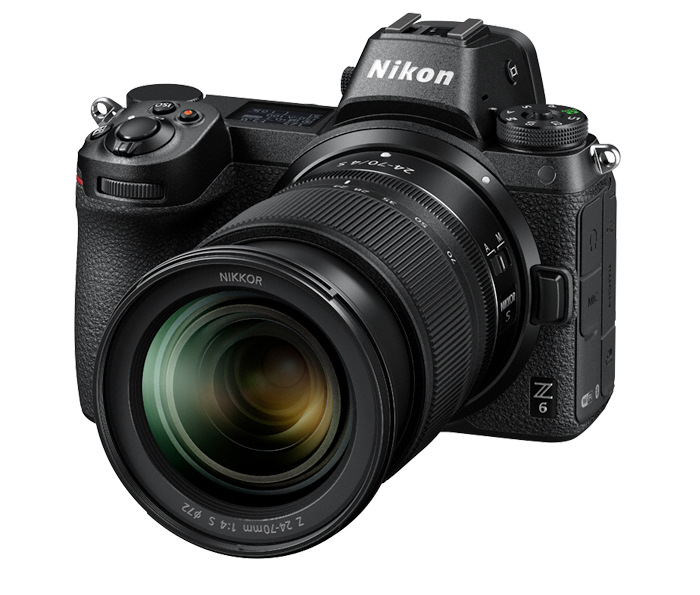
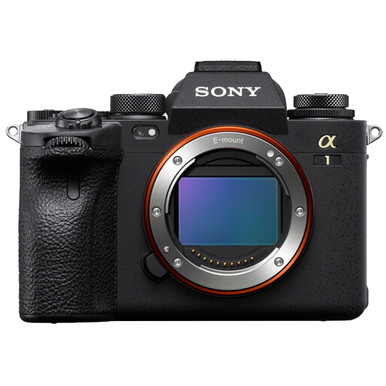
The Nikon Z6 and the Sony A1 are two of the most prominent full-frame mirrorless cameras available, making them highly sought after by enthusiasts and professionals alike. Both cameras are designed for versatility, catering to photographers who require high-quality image performance in various situations. Buyers often find themselves choosing between these two models based on their needs for image quality, autofocus performance, video capabilities, and overall value, coupled with their preferences for brand ecosystems and ergonomics. In this comparison, we will delve into their specifications and performance across several key areas to help you make an informed decision.
Specifications Comparison
Detailed Comparison
Image Quality
When examining image quality, the Sony A1 stands out with its 50-megapixel sensor compared to the Nikon Z6's 25-megapixel sensor. This higher resolution allows for more detailed images, which can be advantageous for large print work and cropping flexibility. On the other hand, the Z6 utilizes its full-frame sensor effectively with impressive low-light performance, thanks to its expanded ISO range that goes up to 204800. While both sensors perform admirably in competitive low-light situations, the A1 also features a slightly wider base ISO range, albeit not as significantly extending its performance.
Furthermore, the Z6 demonstrates excellent dynamic range and color accuracy, which has been praised in landscape and portrait photography applications. The A1, however, introduces advanced features in post-processing and has a slightly better reputation for consistency in color reproduction across varying lighting conditions, thanks to its advanced sensor technology.
Ultimately, if raw detail and high-resolution output are paramount, the Sony A1 takes the lead. However, if you prioritize low-light performance and dynamic range, the Z6 still holds its ground well.
In conclusion, while the resolution difference gives the A1 an edge, many users may find the quality from the Z6 perfectly meets their needs.
Autofocus System
The autofocus systems of both cameras are impressive, but the Sony A1 significantly outclasses the Nikon Z6. With 759 autofocus points, the A1 utilizes advanced phase-detection technology that delivers superior tracking capability across various shooting scenarios, including fast action and unexpected movements, making it a better choice for sports and wildlife photography. The A1 also supports real-time eye autofocus for humans and animals, which is particularly beneficial for portrait photographers.
In contrast, the Z6 offers 273 autofocus points, which are still effective for general photography and can perform well in good light conditions. However, users may find its performance lacking in very fast-paced environments compared to the A1. Moreover, while both cameras include face detection and eye tracking capabilities, the Sony's technology is generally more reliable and quicker to respond to subjects, improving the overall shooting experience.
Given the differences in tracking and detection accuracy, the A1 is the clear winner here, especially for photographers who prioritize fast and accurate autofocus in dynamic environments.
Video Capabilities
When it comes to video capabilities, the Sony A1 again outshines the Nikon Z6. The A1 offers 4K recording at 120p, enabling stunning slow-motion footage and a greater range of creative possibilities for videographers. In contrast, the Z6 is limited to 4K at 30p, which, although sufficient for many purposes, may not appeal to professionals seeking high frame rate options for videography.
The A1 also supports a wider range of codec options and higher bit rates, which are crucial for professional video production and post-processing flexibility. It supports 16-bit RAW over HDMI, offering significantly more data for color grading, a feature that can be pivotal for filmmakers who want to maximize image quality.
While the Z6 still produces commendable video quality, it simply cannot compete with the advanced features offered by the A1, especially for those deeply embedded in videography. Therefore, if video performance is a deciding factor, the A1 is the clear champion here.
Build & Ergonomics
Both cameras feature robust weather-sealed bodies, ensuring durability in challenging shooting conditions, a hallmark of their design philosophies. The Nikon Z6 has a slightly larger body, measuring at 134 x 101 x 68 mm, providing a more substantial grip for prolonged shooting sessions. Conversely, the Sony A1, smaller in dimensions at 129 x 97 x 81 mm, also retains an ergonomic design but may feel more compact in hand.
Interestingly, the weight difference is minimal, with the Z6 weighing 675g versus the A1 at 737g; however, this might be noticeable over long periods of use. The Z6 sports a larger screen at 3.2 inches and 2.1 million dots compared to the A1's 3-inch, 1.44 million-dot display, potentially offering better viewing experiences in bright conditions.
Both cameras include high-resolution electronic viewfinders, but the choice may come down to personal preference regarding handling and comfort. Overall, both manufacturers have done an excellent job in terms of durability and ergonomics, yet if a better grip is critical to your shooting style, the Z6 may hold an advantage.
Battery & Storage
Battery life can be an important factor when choosing a camera, particularly for those who shoot extensively in a single outing. The Nikon Z6 has a rated battery life of approximately 310 shots, which is decent but can be limiting for extended sessions. The Sony A1 surpasses this with a battery life of around 530 shots, providing photographers with more shooting time without the need to constantly change batteries.
In terms of storage, both cameras utilize dual card slots, with the A1 supporting CFexpress Type A and SD UHS-II, while the Z6 uses SD UHS-II format. The ability to write to two cards simultaneously or use one as a backup is available on both models, but professionals working with high-bitrate video or large RAW files may favor the A1 for its availability of faster write speeds with CFexpress cards.
Overall, the A1 is positioned as the superior choice for those who prioritize longevity and robust performance in power and data transfer capabilities during high-volume shooting.
Value for Money
From the pricing perspective, the Nikon Z6 is significantly more accessible, retailing around $1995, while the Sony A1 commands a premium at $6500. For many amateur and semi-professional photographers, the Z6 provides a high-quality experience without breaking the bank, making it an attractive option for those who need solid performance for various photography genres.
In contrast, the A1's price can feel daunting for those who may not continuously require its advanced features. However, for professionals who demand the best in resolution, autofocus, and video capabilities, the A1 can be justified as a worthy investment due to its extensive feature set and improved overall performance.
Deciding value comes down to the buyer's needs-if your work requires the high-end specifications of the A1, its price can be warranted; otherwise, the Z6 provides fantastic results at a fraction of the cost, thus serving as a more practical option for many users.
Our Verdict
Overall, while the Nikon Z6 presents an attractive option for its diversity in photography, solid ergonomics, and lower price point, the Sony A1 emerges as the superior camera for professionals seeking cutting-edge technology, impressive autofocus performance, and high video capabilities. The A1 is particularly well-suited for those specializing in fields like sports and wildlife photography or those in need of high-resolution imagery and advanced video recording options. If you are looking for a camera that delivers exceptional value while still meeting a broad range of photography needs, the Z6 remains commendable.