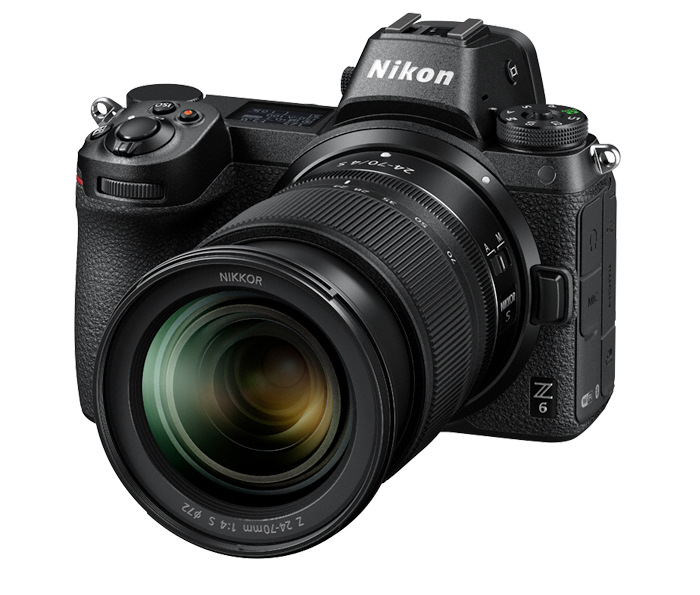
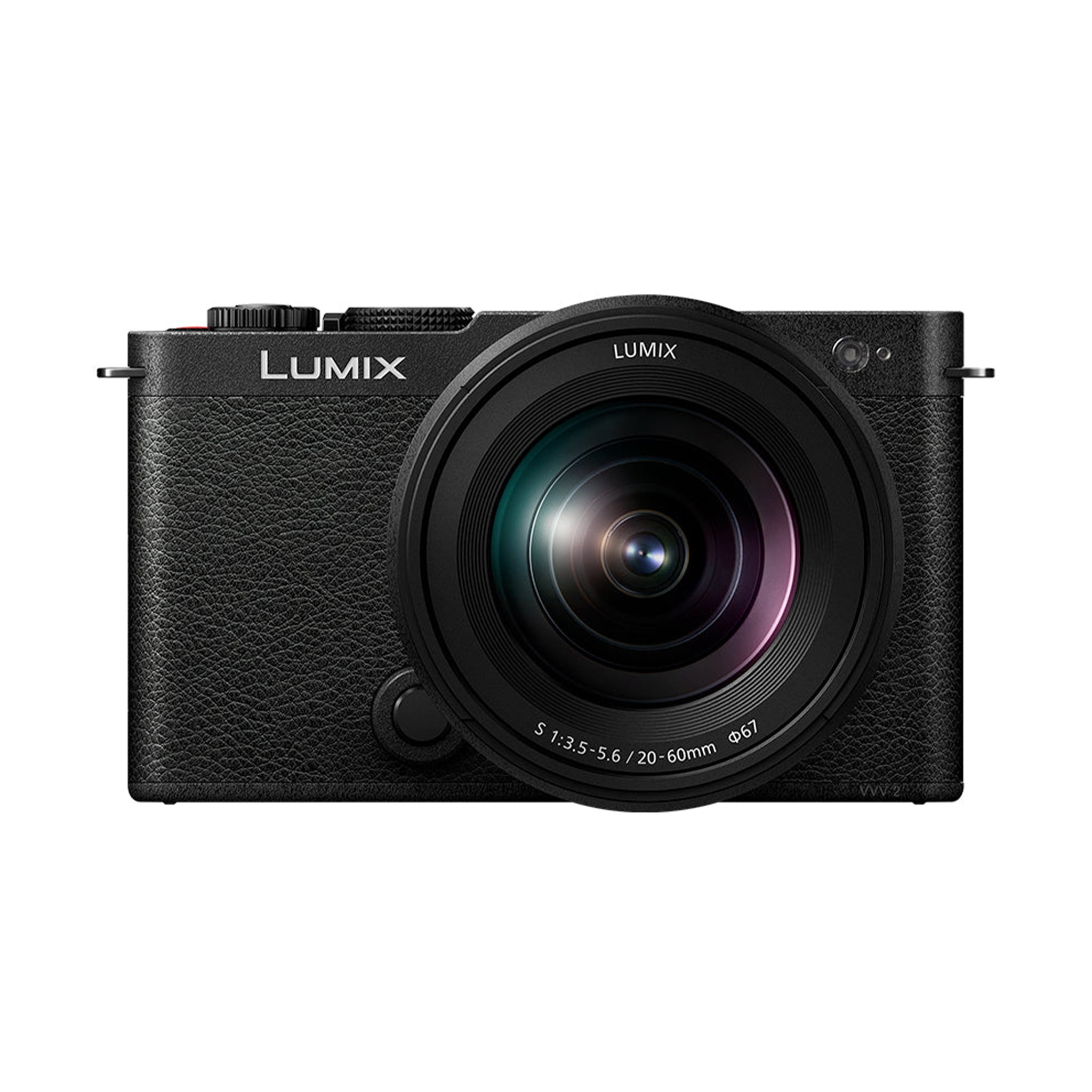
The Nikon Z6 and the Panasonic S9 are two noteworthy full-frame mirrorless cameras frequently compared in the competitive landscape of digital photography. Photographers and videographers frequently find themselves choosing between these two due to their rich feature sets and targeted user bases. While both are aimed at imaging enthusiasts and professionals, they cater to slightly different priorities, making understanding their distinctions essential for potential buyers. Key differentiators include their resolutions, video capabilities, stabilization systems, and overall ergonomics.
Specifications Comparison
Detailed Comparison
Image Quality
The Nikon Z6 boasts a 25-megapixel sensor, providing a slight edge in resolution compared to the Panasonic S9's 24-megapixel sensor. However, the difference in megapixels is minimal and often imperceptible in real-world scenarios. Both cameras utilize full-frame sensors, delivering excellent image quality, especially in low-light situations. The Z6 has a broader ISO range, expanding up to 204800, which can be advantageous for low-light photographers. On the other hand, the S9's sensor is slightly refined in color rendition and dynamic range, often favored for vibrant landscapes and portrait work. Ultimately, both models deliver impressive image quality but may appeal differently depending on users' specific needs-one emphasizing resolution, while the other focuses on color fidelity and dynamic range.
Autofocus System
The Nikon Z6 features an advanced autofocus system with 273 autofocus points, making it effective for fast-moving subjects and providing expansive coverage over the frame. The Panasonic S9 also showcases a well-implemented autofocus system that ensures accuracy but specifics about the number of autofocus points haven't been disclosed prominently. Typically, Panasonic's depth-from-defocus technology excels in video autofocus scenarios. However, in fast-paced photography, the Z6's more extensive point coverage may prove more reliable, leading to quicker and more accurate focus acquisition. Photographers who require robust autofocus capabilities may lean towards the Z6.
Video Capabilities
In terms of video recording capabilities, the Panasonic S9 takes the lead with its ability to record in several advanced formats, including 5.9K besides offering UHD 4K and 10-bit recording options. This level of flexibility and resolution is appealing for serious videographers looking to produce high-quality content. The Nikon Z6, however, supports 4K at 30 frames per second but falls behind in terms of higher resolution formats. For creators focusing on high-resolution video work, the S9 presents a significant advantage over the more modest video specifications of the Z6.
Build & Ergonomics
The Nikon Z6 is built with durability in mind, featuring weather sealing, making it a suitable choice for outdoor photography in varying conditions. Its dimensions and weight (675g) give it a robust feel, ideal for serious photographers needing a solid grip. Conversely, the Panasonic S9, weighing 486g, is lighter and slightly more compact but may sacrifice some sturdiness. This makes it a favorable choice for those prioritizing portability. The control layout and ergonomics of both cameras cater to comfort, but the Z6's slightly bulkier design could provide better control for extensive shooting sessions.
Battery & Storage
The Nikon Z6 offers a battery life of approximately 310 shots, which can be limiting for prolonged shooting sessions, particularly in demanding environments. The Panasonic S9's newer design may potentially enhance battery performance, but specific metrics on battery life were not provided. Both models support common storage formats, but the Z6 can be more susceptible to downtime due to its battery limitations. In shooting scenarios where extended longevity is key, users might favor the camera with stronger performance metrics, making this a critical consideration for users engaged in rigorous shooting workloads.
Value for Money
The Nikon Z6 is priced at $1995, a compelling option for an advanced full-frame camera that delivers on various fronts, including build quality and feature set. The Panasonic S9, being a newer entry into the market, may hold a slightly higher price point, reflecting its advanced video capabilities. Prospective buyers should consider the intended use of the camera: for still photography, the Z6 provides excellent value, while the S9's superior video capabilities justify any premium it may carry. For those valuing video performance, the S9 is an attractive choice despite its potential higher cost.
Our Verdict
Both the Nikon Z6 and the Panasonic S9 provide compelling features tailored to different segments of the photographic community. The Z6 excels in autofocus capabilities, ergonomics, and overall still photography performance, making it an outstanding option for serious photographers. Conversely, the S9 stands out with its superior video capabilities, making it an enticing choice for videographers looking to push the boundaries of their craft. Ultimately, the best choice depends on the user's specific demands and whether they prioritize stills, video, or a balance of both.