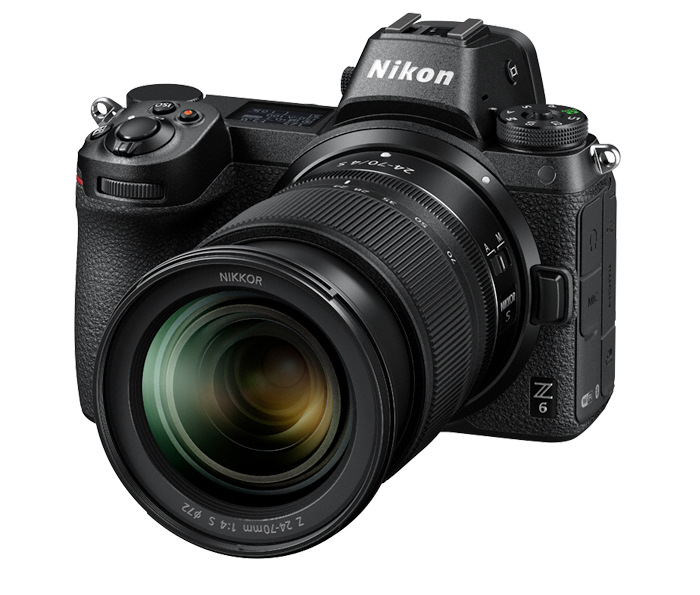
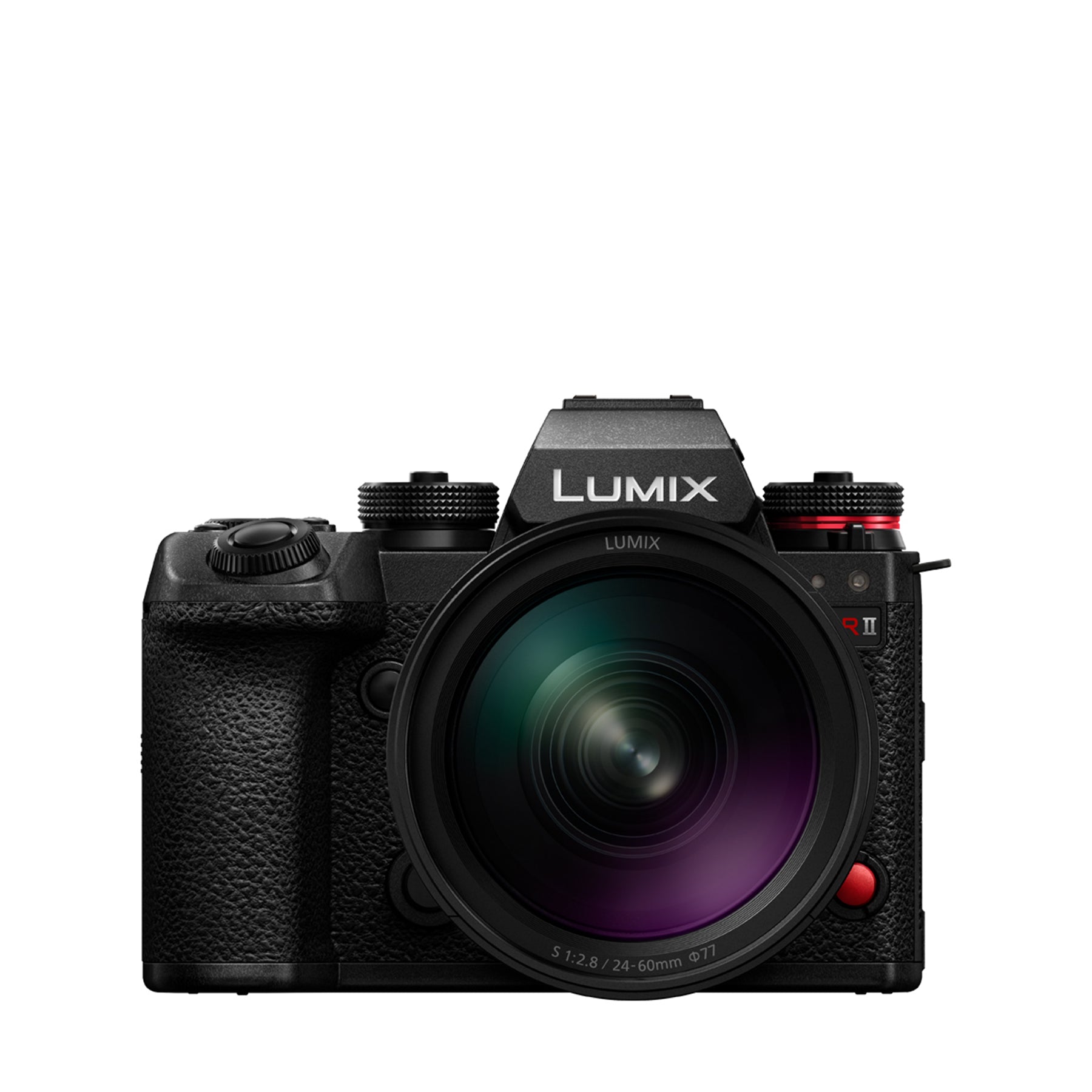
The Nikon Z6 and Panasonic S1R II are two formidable full-frame mirrorless cameras that cater to different audiences with distinct requirements. Commonly compared by both professional photographers and serious enthusiasts, these models represent two of the leading systems on the market today: Nikon's Z series and Panasonic's Lumix series. Photographers often find themselves choosing between these two based on their specific needs, be it for still photography, video capabilities, or particular use cases like wildlife or studio work. The primary differentiators include sensor resolution, video options, autofocus performance, and overall user experience.
Specifications Comparison
Detailed Comparison
Image Quality
In terms of image quality, the Panasonic S1R II takes the lead with its impressive 44.3 megapixels, providing high-resolution files ideal for large prints and cropping flexibility. This higher resolution is particularly attractive for landscape photographers or those requiring extreme detail in their images. On the other hand, the Nikon Z6, while lower at 25 megapixels, still delivers excellent image quality, particularly in low light settings due to its effective ISO range that expands from 100-51200, further extending to 50-204800. This makes the Z6 a stronger choice for events and environments where lighting is not optimal.
In real-world performance, many users find the Z6's image files to exhibit slightly better dynamic range and color accuracy, particularly in high-contrast scenarios. The inherent design of the Z6's full-frame sensor, influenced by its newer technology and processing, affords it an advantage in color rendition and performance at higher ISOs. Thus, both cameras meet professional standards but appeal to slightly different needs depending on the shooting conditions and subjects.
Given these differences, the S1R II is superior for resolution-dependent applications, while the Z6 excels in low-light conditions and dynamic range in practical photography applications. Ultimately, deciding on image quality comes down to specific use cases.
Autofocus System
The autofocus systems in both cameras show significant advancements, yet they cater to different styles of photography. The Nikon Z6 features 273 autofocus points, which offer a fast and reliable focusing system suitable for a range of photography styles including events and portraiture. The Z6 has been praised for its eye-detection capabilities, which can enhance portrait and wildlife shooting.
Conversely, the Panasonic S1R II boasts a fast hybrid autofocus system that employs both contrast-detection and phase-detection across its sensor, which contributes to its significant performance-especially in continuous shooting scenarios where it claims to achieve up to 40 fps. This higher frame rate makes it particularly appealing for action and sports photographers who require a camera that can keep pace with fast-moving subjects.
While both systems are robust, the S1R II's higher frame rate and advanced AF capabilities could make it the better option for high-speed photography. Still, for those focused primarily on detailed portrait work or slower-paced environments, the Z6's more user-friendly eye-detection AF system remains a strong contender.
Video Capabilities
When comparing video capabilities, the Panasonic S1R II clearly stands out with its ability to shoot in 8K at 30p and 4K at 120p. This versatility enables filmmakers and content creators to produce high-resolution videos with stunning detail and also provides options for slow-motion sequences. The S1R II is particularly well-suited for videographers seeking to push frame rates and resolutions for dramatic effects.
The Nikon Z6, while slightly limited in its video offerings with 4K at 30p, features excellent 4:2:2 10-bit output for external recording, making it a solid choice for serious videographers. It's worth noting that the Z6's video capabilities are complemented by outstanding low-light performance-a significant advantage for shooting in various lighting conditions.
In summary, for videographers needing advanced video features like high frame rates and 8K recording, the S1R II is the clear winner. However, traditional videography with strong emphasis on low-light performance may still find advantage in the Z6's offerings, keeping in mind its more modest capabilities compared to the competition.
Build & Ergonomics
Both the Nikon Z6 and Panasonic S1R II are built with durability in mind. The Z6 incorporates a weather-sealed body that provides reassurance against harsh environmental conditions, aligned with Nikon's long-standing reputation for robust build quality. The design is compact and ergonomic, making it comfortable for extended use.
On the other hand, the Panasonic S1R II also features a sturdy weather-sealed construction, with a slightly larger body that some users may find offers a better grip, especially when combined with larger lenses. It is heavier at around 1,020g, which reflects its durable build but may lead to fatigue during long shooting sessions.
Both cameras provide excellent user interfaces, with the S1R II having a larger electronic viewfinder, which some photographers prefer for its clarity and detail during shooting. Ultimately, the preference may come down to personal comfort, but both models stand firm in providing robustness and practicality.
Battery & Storage
The Nikon Z6 is equipped with a battery life capable of capturing approximately 310 shots under CIPA standards, which might be a limiting factor for some users, especially during critical shooting sessions without the opportunity for recharging. Its dual card slots for XQD and SD cards enhance storage flexibility, making it an appealing choice for professional environments where reliability and speed are paramount.
In contrast, the Panasonic S1R II offers a significantly higher battery capacity, allowing for extended shooting sessions, making it ideal for those who often shoot long format events such as weddings or documentaries. In addition, the dual SD card slots provide users with versatility in organization and backup, essential in a professional workflow.
Battery performance can be a vital differentiator, particularly when considering how many shoots require long-term endurance or backup systems. The Panasonic S1R II takes this category decisively, supporting a longer shooting duration without interruption.
Value for Money
With a price point of approximately $1995, the Nikon Z6 delivers considerable quality and performance, offering a balance of features that appeals to enthusiasts and professionals alike. It represents good value when considering its solid performance across various types of photography and the reputation of Nikon's lens ecosystem.
On the other hand, the Panasonic S1R II, priced significantly higher due to its higher resolution and advanced video features, may position itself as more niche. This is particularly true for those who prioritize resolution and video capabilities. While it packs a lot of technology, potential buyers must weight this against their specific needs and whether they will utilize those advanced features effectively.
Ultimately, the Nikon Z6 offers great value for those needing a versatile camera that excels across the board, while the S1R II, though more expensive, provides unparalleled resolution and video capabilities for photographers whose work specifically hinges on these features.
Our Verdict
Overall, the Panasonic S1R II emerges as the winner in this comparison, offering remarkable image quality, superior video capabilities, and a robust battery life that appeals to professionals demanding high resolution and versatility. However, the Nikon Z6 shouldn't be overlooked, especially for users requiring excellent low-light performance, solid ergonomics, and dependable autofocus, all at a more approachable price point. Depending on the specific use cases-be it high-action sports, ultra-high resolution needs, or versatile all-rounders-both models have strong value propositions, catering to different types of photography enthusiast and professional alike.
Nikon Z6
Panasonic S1R II
Also Compare
Frequently Asked Questions
Which camera offers better low-light performance?
The Nikon Z6 has a wider ISO range and performs exceptionally well in low-light conditions, making it the better choice for low-light photography compared to the S1R II.
Is the higher resolution of the S1R II worth it?
The 44.3 megapixels of the S1R II are beneficial for those needing large prints or significant cropping ability, but for general usage, the Z6's 25 megapixels often suffice.
Which camera is better for video?
The Panasonic S1R II excels with its ability to shoot 8K and high frame rate 4K videos, making it the superior option for videographers looking for cutting-edge video capabilities.
How important is battery life?
If you often work on long shoots or in remote locations without easy recharge options, the S1R II's extended battery life would likely be more beneficial than the Z6's shorter endurance.
Are lens options available for both cameras?
Yes, both cameras have a growing range of native lenses. However, many photographers also consider using adapters for their existing lenses to expand their options further.