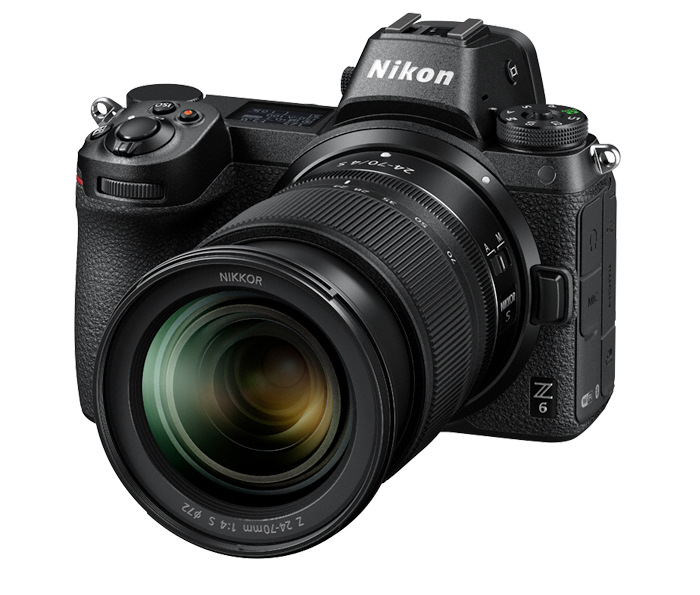
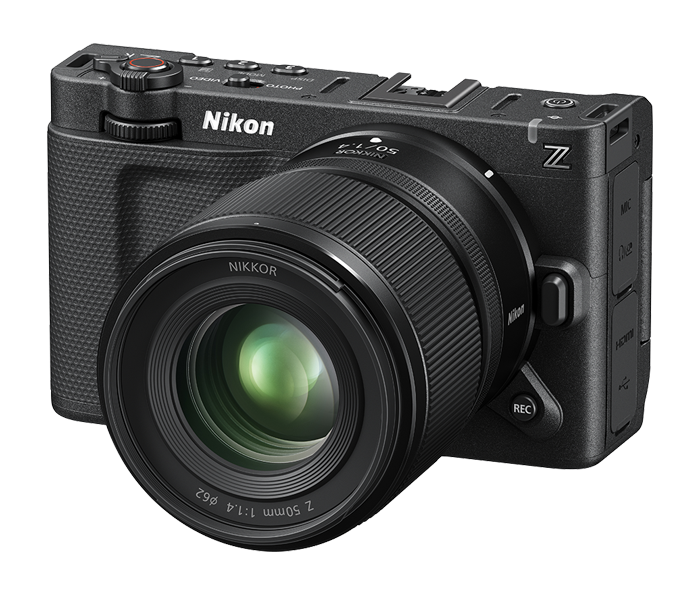
The Nikon Z6 and Nikon ZR are two full-frame mirrorless cameras from Nikon that often get compared due to their similar foundational specifications, which include a 25-megapixel sensor and full-frame size. Photographers and videographers who are considering these models are likely to look for a balance between performance and price. The Z6, released in 2018, has established itself as a reliable choice for a variety of shooting conditions, while the ZR, released in 2025, showcases advancements in features and technology that could make it more appealing to those seeking the latest gear.
Key differentiators between these models include autofocus performance, video capabilities, and stabilization efficiency. The ZR boasts a higher maximum frames per second (20 fps vs. 12 fps), which can be crucial for sports and wildlife photography, while the Z6 is recognized for its robust and classic design. Understanding these aspects will aid buyers in choosing the camera that best matches their needs and shooting style.
Specifications Comparison
Detailed Comparison
Image Quality
Both the Nikon Z6 and ZR feature a full-frame 25-megapixel sensor, meaning they can produce excellent image quality with great detail and low-light performance. The Z6 has an ISO range that extends to 204800 when expanded, allowing for more flexibility in challenging lighting conditions, particularly useful for event and concert photography. However, the ZR's ISO range caps at 64000, which may not perform as effectively in ultra-low light situations.
That being said, real-world comparisons have shown that both cameras produce superb images with great dynamic range, vibrant colors, and detail retention in shadows and highlights. Image quality can be further enhanced depending on lenses used, but strictly from a sensor perspective, the differences in performance may not be as pronounced for average users.
Given this analysis, while the Z6 has greater flexibility in ISO performance, both produce excellent results under normal conditions, leading to a tie for this aspect.
Autofocus System
The autofocus system on both cameras features 273 focus points, allowing for precise focus across the frame. However, the ZR's notable upgrade is its higher performance in continuous shooting due to the 20 fps max shooting speed compared to the Z6's 12 fps. This can significantly improve tracking moving subjects during fast-paced shooting scenarios.
In practical terms, the autofocus performance in both models is commendable, but the ZR's enhancements may provide an edge in fast-action scenes. For portrait and everyday photography, both systems perform admirably, maintaining sharp focus and eye tracking features. Therefore, for users focusing heavily on action photography, the ZR can be favored, while others may find little difference in typical use cases.
Taking all factors into account, the winner in the autofocus aspect would lean towards the ZR, thanks to its superior continuous shooting capabilities.
Video Capabilities
When it comes to video capabilities, the Z6 supports 4K video at 30p, making it a solid choice for amateur filmmakers or those looking to produce high-quality video content. The 5-stop in-body stabilization aids in creating smooth footage.
Conversely, the ZR advances this feature set with improved stabilization at 7.5 stops, which translates to even smoother hand-held video recording, particularly important for handheld shooting or in dynamic environments. Additionally, integrated video features in the ZR may include improved codecs and frame rates, though the exact specifications can vary with firmware updates and post-launch enhancements.
Given the advancements in stabilization and overall video technology in the ZR, it clearly excels in this aspect, securing a win in video capabilities.
Build & Ergonomics
Both the Z6 and ZR are weather-sealed and designed for durability, appealing to outdoor and travel photographers who require robust gear. The Z6 weighs in at 675 grams, whereas the ZR is slightly lighter at 630 grams. The dimensions of the ZR also allow for a more compact design, making it more portable without sacrificing too much handling comfort.
Screen comparison reveals that the ZR houses a larger 4" display with a higher resolution (3,070,000 dots) compared to the Z6's 3.2" display (2,100,000 dots). This can improve the user experience for menu navigation and reviewing images.
In terms of overall ergonomics, both cameras offer great handling, but the lighter weight and enhanced display of the ZR may cater to users prioritizing portability and ease of use. Thus, the ZR takes the edge in this category.
Battery & Storage
The Nikon Z6 features a battery life rated for approximately 310 shots, which is quite respectable for mirrorless cameras but does have its limitations during extended shooting sessions. The capability to use dual slots for storage (XQD/CFexpress) enhances shooting reliability and performance in terms of data transfer speeds during burst shooting.
In contrast, while exact battery life for the ZR may be comparable, limited analysis suggests that any advancements in efficiency have not been enough to substantially surpass the Z6. However, the ZR incorporates improvements for data storage and transfer capabilities due to technological advancements in the newer model.
Considering the effective battery life and dual-slot advantage of the Z6, this category can be deemed a tie as both have their strengths but also show limitations during intensive use.
Value for Money
At a price of $1995, the Nikon Z6 offers a robust value considering its strategic features and performance. It's particularly appealing to enthusiasts and semi-professionals who want a reliable camera without stepping into premium territory.
In contrast, the ZR comes in at $2200, which could be seen as a premium for the latest features, such as improved autofocus and video stabilization. While it has its merits, the price difference may not justify the benefits unless a user has specific needs that align with the newer technology.
Ultimately, for those on a budget or who do not require the advanced features of the ZR, the Z6 represents excellent value for money, solidifying it as a winner in this context.
Lens Ecosystem
Both cameras utilize the Nikon Z mount, allowing users access to a growing selection of lenses that cater to a variety of photography styles. However, the Z6 has had more time to establish itself, meaning there are currently more options and third-party compatibility available for Z6 users.
The ZR will certainly continue to build on its lens ecosystem, but depending on existing investments in lenses, users may find the Z6 more accessible in terms of lens availability today. Furthermore, as both systems are sharing the mounts, transitioning from one to another with existing lenses should be seamless.
Given the current lens ecosystem's greater offerings available for the Z6, it holds a slight advantage in this comparison.
Our Verdict
While the Nikon Z6 offers excellent value and is a solid choice for most users, the Nikon ZR edges ahead overall due to its superior autofocus performance, enhanced video capabilities, and thoughtful ergonomics. The decision may ultimately boil down to personal preferences and needs; those in need of cutting-edge video and fast-action photography capabilities may favor the ZR, while budget-conscious users or those who do not need the latest features could find the Z6 suits their needs just fine.
Nikon Z6
Nikon ZR
Also Compare
Frequently Asked Questions
Is the image quality significantly different between the Z6 and ZR?
Both cameras share the same sensor and megapixel count, resulting in comparable image quality. However, the Z6 has an advantage in ISO performance, especially in low-light scenarios.
Which camera is better for video recording?
The Nikon ZR, with its improved stabilization and video features, is a better choice for videographers looking for high-quality video performance.
How does the autofocus compare in both models?
While both use the same number of autofocus points, the ZR offers a higher continuous shooting speed of 20 fps versus 12 fps in the Z6, giving it an edge for fast-moving subjects.
What are the battery life differences between the Z6 and ZR?
The Z6 has a battery life of about 310 shots, while the ZR's battery performance is similar. Both have potential limitations during extensive shooting.
Are the lenses interchangeable between the Z6 and ZR?
Yes, both cameras share the Nikon Z mount, allowing for lens interchangeability and access to a wide range of lenses.
Is the ZR worth the price difference over the Z6?
This depends on your specific needs. If you prioritize advanced features like improved autofocus and video capabilities, the ZR is worth considering. For general use or budget constraints, the Z6 provides excellent value.