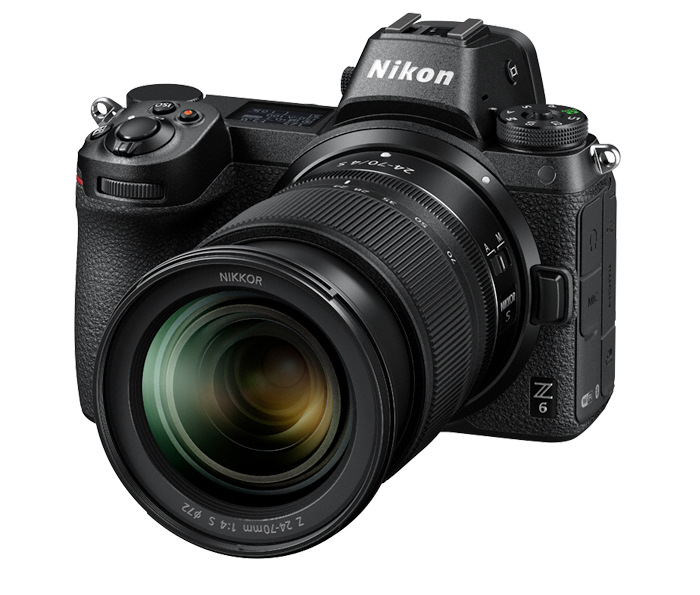
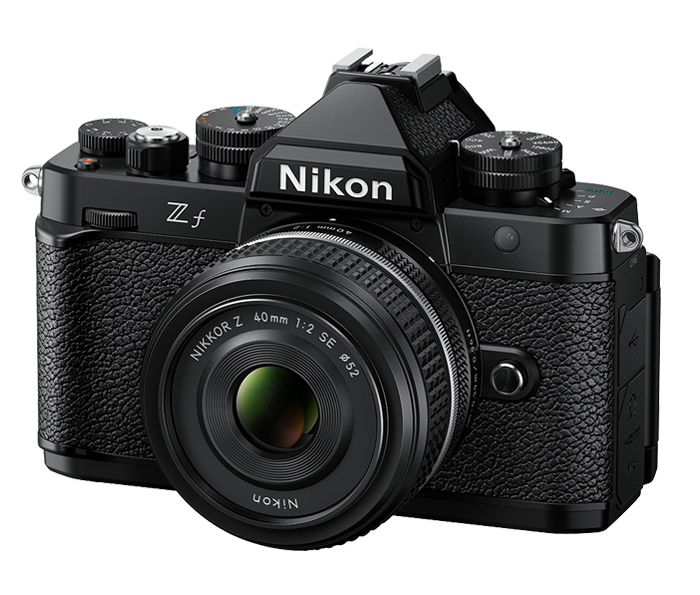
The Nikon Z6 and Nikon Zf are two prominent mirrorless cameras from Nikon, frequently compared by photographers and videographers alike. The Z6, released in 2018, established itself as a strong contender in full-frame imaging, while the Zf, launched in 2023, represents an evolution of that technology, building on the Z6's foundation with modern enhancements. Both models cater to enthusiasts and professionals who seek robust performance and quality, but they differ in key aspects that may sway potential buyers toward one over the other, such as video capabilities, stabilization, and ergonomic design.
Specifications Comparison
Detailed Comparison
Image Quality
Both the Nikon Z6 and Zf share a full-frame sensor size of 35.9 x 23.9 mm and boast a resolution of 25 megapixels, offering excellent image quality with fine details. They also use similar technology in their sensor designs, which contributes to impressive dynamic range and color depth. However, the Zf benefits from newer technology, which may provide subtly improved low-light performance and reduced noise at higher ISO settings, particularly given its enhanced ISO range. Additionally, both cameras support an ISO range that allows for high flexibility under various lighting conditions, with the Z6 ranging from 100-51200 (expandable to 50-204800) and the Zf sharing similar specifications. Overall, image quality is comparable, but the Zf's advancements offer a slight edge in high-performance situations under demanding conditions.
Autofocus System
Both the Nikon Z6 and Zf feature an autofocus system with 273 focus points, providing comprehensive coverage across the frame. However, the Zf's autofocus system has seen improvements in terms of speed and accuracy, particularly in challenging conditions like low-light environments or with moving subjects. The Nikon Zf also incorporates advanced tracking capabilities, which enhance the camera's performance in fast-paced scenarios. Ultimately, while the Z6 provides a solid and reliable autofocus experience, the enhancements in the Zf's system position it as the better choice for users relying heavily on autofocus performance, such as sports photographers or wildlife shooters.
Video Capabilities
The video specifications illustrate a significant difference between the two models. The Nikon Z6 is capable of 4K video recording at 30 frames per second, which is sufficient for a variety of video applications. In contrast, the Nikon Zf advances to 4K recording at 60 frames per second, catering to filmmakers and content creators who need smoother motion and greater flexibility in post-production. Additionally, the Zf features enhanced thermal management, allowing for longer recording times without overheating. While the Z6 delivers quality, the Zf's higher frame rate and overall advancements make it the clear winner in the video category.
Build & Ergonomics
When it comes to body design and ergonomics, both the Z6 and Zf are built with high-quality materials and weather sealing, ideal for photographers who work in challenging environments. The Zf is slightly larger and weighs a bit more at 710 grams compared to the Z6's 675 grams, potentially affecting portability. However, the additional size comes with enhanced grip and control features, making it a comfortable option for extended shooting sessions. Both cameras feature a 3.2-inch touchscreen with 2,100,000 dots, providing clear image previews and easy menu navigation. While both models offer solid ergonomic designs, users may prefer the Zf's improvements in handling, particularly in accommodating larger lenses.
Battery & Storage
Battery life is an essential factor for many users, and here the Nikon Zf excels with a battery life rated at approximately 380 shots, compared to the Z6's 310 shots. This enhancement is critical for professionals or enthusiasts who shoot for extended periods without access to a power source. Both models utilize the same battery type, but the Zf's efficiency may allow for longer, uninterrupted sessions. In terms of storage, both cameras support dual SD card slots, offering similar flexibility for capturing high-resolution images and videos without worry. Overall, the Zf stands out in terms of battery longevity, which is a significant advantage for prolonged use.
Value for Money
With a price tag of $1995 for the Z6 and slightly higher at $1999 for the Zf, potential buyers might wonder if the newer model's features justify the additional cost. The Z6 remains an excellent value, particularly for those who may not require the advanced video capabilities or enhanced autofocus of the Zf. However, the benefits offered by the Zf-such as improved autofocus, better video resolution, and longer battery life-give it a compelling value proposition, especially for new buyers looking for future-proofing and up-to-date technology. For those focused solely on image quality and on a stricter budget, the Z6 may still be the preferred option.
Our Verdict
The Nikon Zf emerges as the overall winner thanks to its superior video capabilities, enhanced autofocus system, and better battery life, making it a powerful tool for both photographers and videographers looking for modern performance. The Zf is particularly suited for professionals who shoot high-action subjects or require longer filming capabilities. On the other hand, the Nikon Z6 still holds strong as a capable camera, especially for those focused predominantly on still photography or seeking a more budget-friendly option without compromising core image quality. Ultimately, the choice between the two models boils down to specific user needs and the type of photography or videography being pursued.
Nikon Z6
Nikon Zf
Also Compare
Frequently Asked Questions
Is the Nikon Zf worth the extra cost compared to the Z6?
Yes, the Nikon Zf offers several modern enhancements in autofocus and video performance that justify the slight increase in price, making it ideal for users requiring advanced features.
How do the autofocus systems of the two cameras compare?
The Nikon Zf features an upgraded autofocus system that provides better speed and tracking performance, especially in low-light environments, compared to the Z6.
Can both cameras shoot 4K video?
Yes, both the Z6 and Zf can shoot in 4K, but the Zf can shoot at a maximum of 60fps, offering smoother motion for video compared to the Z6, which is limited to 30fps.
Are there significant differences in image quality between the two models?
Both models share the same sensor and resolution, resulting in comparable image quality. However, the Zf may perform slightly better in low-light conditions due to advancements in sensor technology.
Which camera is better for traveling due to weight and size?
The Nikon Z6 is lighter and slightly more compact, making it potentially a better choice for travelers looking for portability while still delivering excellent performance.