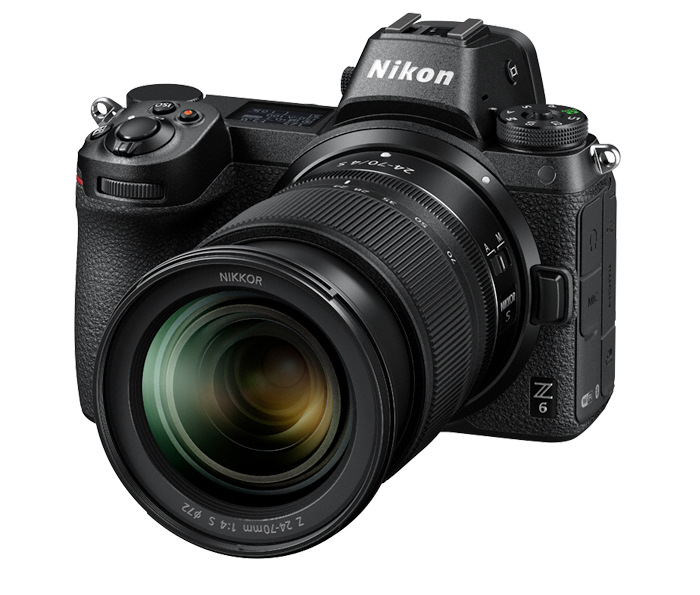
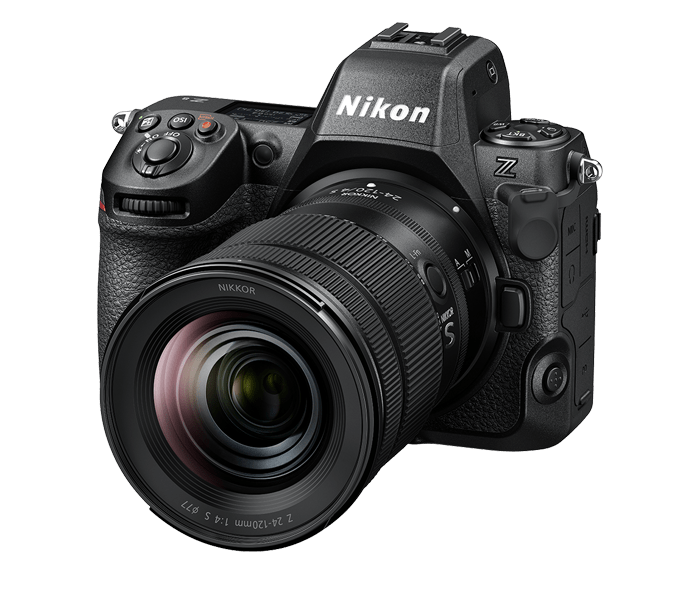
The Nikon Z6 and Z8 are both formidable options in Nikon's lineup, appealing to photographers and videographers who demand high performance. While the Z6 has been a reliable choice for enthusiasts and professionals since its release in 2018, the newer Z8 offers considerable upgrades in resolution, focus capabilities, and video performance, making it a compelling alternative. Buyers often find themselves deciding between these two models based on their specific needs: the Z6 provides an excellent balance of features for the budget-conscious, while the Z8 is aimed at those who require cutting-edge technology and are willing to invest more.
Specifications Comparison
Detailed Comparison
Image Quality
When it comes to image quality, the Nikon Z8 takes the lead with its higher resolution of 46 megapixels compared to the Z6's 25 megapixels. The increased pixel count allows for finer detail and greater cropping flexibility, making it ideal for landscape and studio photography where detail is paramount. Both cameras utilize a full-frame sensor of the same dimensions, which ensures they both perform exceptionally well at lower ISO levels. However, the Z6 does offer a broader ISO range, expanding from 50 to 204800, which may be beneficial for low-light scenarios, although the Z8's 100-51200 range is still quite capable. In real-world usage, the Z8 often provides superior results in large format prints due to its enhanced megapixel count, while the Z6 still holds its own for most applications. The clear distinction in resolution gives the Z8 the advantage in this aspect.
Autofocus System
The autofocus systems in the Nikon Z6 and Z8 are markedly different, with the Z8 boasting a more advanced system featuring 493 autofocus points compared to the Z6's 273 points. This gives the Z8 a significant edge, especially when tracking fast-moving subjects or working in dynamic environments. The Z8's increased autofocus point coverage leads to better subject locking and overall accuracy. Additionally, the Z8 includes advanced features such as animal detection and improved face and eye tracking, which are particularly advantageous for wildlife and portrait photographers. Though the Z6's autofocus performance is still very good, particularly at its release, the enhancements in the Z8 offer more versatility and reliability across a wider range of shooting conditions. Thus, the Z8 emerges as the winner in this category.
Video Capabilities
Video functionality is one of the most pronounced areas of advancement from the Z6 to the Z8. The Z6 is capable of recording 4K video at up to 30 frames per second, which, while sufficient for many applications, is outdone by the Z8's impressive capability to record 4K at 120 frames per second. This higher frame rate is particularly beneficial for slow-motion video applications. Additionally, the Z8 supports advanced video features like 10-bit recording and RAW output via HDMI, making it more appealing to professional videographers. Both cameras include in-body stabilization; however, the Z8 offers a slight advantage with a 6-stop stabilization compared to the Z6's 5 stops, allowing for smoother handheld footage. Overall, the Z8's superior video features firmly place it ahead of the Z6.
Build Quality & Ergonomics
In terms of build quality, both the Z6 and Z8 are weather-sealed, making them suitable for outdoor use in various conditions. However, the Z8 is noticeably larger and heavier at 910g compared to the Z6's 675g, which may affect portability for some users. Ergonomically, both models feature comfortable grips, but the Z8's bulkier design may provide better handling, especially for those using larger lenses. The button layout and general access to controls are designed similarly, ensuring both cameras cater to professional workflows. While the Z6 is slightly more compact and lighter - advantageous for travel - the Z8's build may instill more confidence in high-demand shooting environments, making this a close call.
Battery & Storage
Battery life is slightly improved in the Nikon Z8, achieving approximately 340 shots on a single charge compared to the Z6's 310 shots. This minor difference may not significantly impact most photographers, but it is a slight advantage for users who routinely shoot for extended periods without access to charging. Both cameras use the same type of battery, ensuring compatibility for users looking to upgrade or maintain both models. Storage options are similar, with both cameras supporting XQD and CFexpress cards, providing fast read/write speeds essential for high-resolution image and video capture. Despite the very minor improvement in battery life, the differences are negligible in everyday use, leading to another tie in this area.
Value for Money
The Nikon Z6, priced at $1995, presents an attractive option for photographers seeking a full-frame mirrorless camera that delivers excellent performance without breaking the bank. It offers a good set of features, making it a strong choice for enthusiasts and semi-professional users. On the other hand, the Z8 comes at a premium price point of $3999, which reflects its advanced technology and capabilities. For serious professionals who will utilize the full extent of the Z8's features, the investment may be justified by the benefits. However, photographers who engage in less demanding work may find that the Z6 offers most of the essential features at a significantly lower cost. Overall, for those focused on maximizing value, the Z6 takes the prize here.
Our Verdict
Overall, the Nikon Z8 emerges as the winner in this comparison due to its superior image quality, advanced autofocus system, and enhanced video capabilities. For professionals and serious enthusiasts looking for the latest technology and highest performance, the Z8 justifies its higher price. On the other hand, the Nikon Z6 remains a reliable and slightly more affordable option, perfect for those who do not require the latest features and wish to capture stunning images and videos without the financial commitment of the Z8. Ultimately, the best choice will depend on the user's specific needs and budget.
Nikon Z6
Nikon Z8
Also Compare
Frequently Asked Questions
Is the Nikon Z6 still relevant in 2023?
Yes, the Nikon Z6 remains a highly capable camera in 2023, offering excellent image quality and solid performance for various photography styles. It is particularly suited for enthusiasts and professionals who can effectively leverage its features without demanding the latest advancements.
What should I consider if I primarily shoot video?
If video is your primary focus, the Nikon Z8 is the clear choice due to its higher frame rates, better resolution, and advanced video feature set like 10-bit recording and RAW output. The Z6, while still functional for video, lacks the extensive capabilities of the Z8.
How do the autofocus systems compare in real-world use?
In real-world applications, the Z8's autofocus system offers significantly faster subject acquisition and tracking, particularly in dynamic scenarios. If you often photograph fast-moving subjects like sports or wildlife, the Z8 provides a much more reliable experience.
Can I use the same lenses on both cameras?
Yes, both the Nikon Z6 and Z8 share the Nikon Z mount, meaning that lenses designed for one are compatible with the other, making it easy to switch between both models without any additional investment in new lenses.
Is the weight difference between the two cameras noticeable?
While both cameras are manageable, the Z8 is noticeably heavier. For many users, this added weight may be significant during extended shoots. Considering the size and ergonomics is essential when choosing the right model for your shooting style.