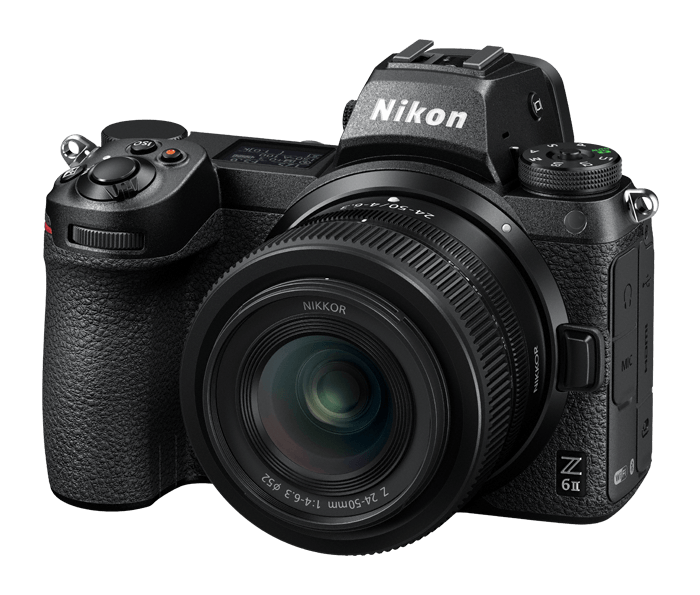
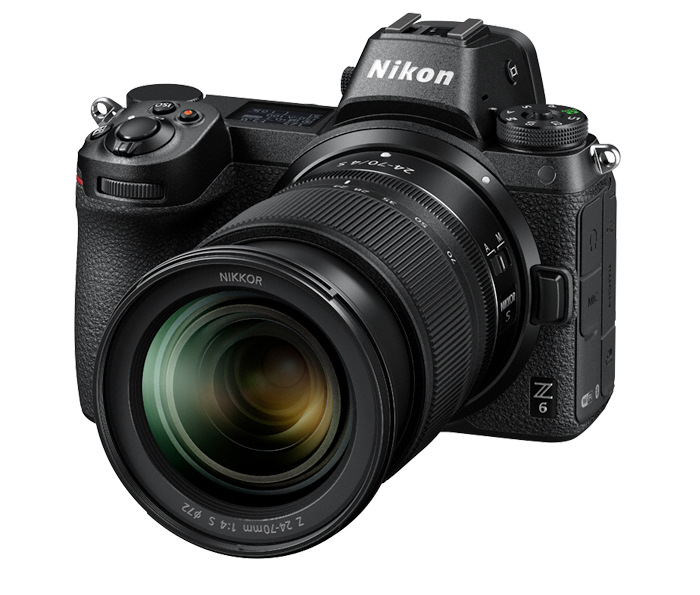
The Nikon Z6 II and Nikon Z6 are both powerful full-frame mirrorless cameras that attract a wide range of photographers, from enthusiasts to professionals. The Z6, released in 2018, established a strong foothold in the market with its impressive performance and features. The Z6 II, launched in 2020, builds upon this foundation, offering numerous enhancements that make it a compelling choice for serious users looking to upgrade their gear. Key factors that differentiate these two models include autofocus capabilities, frame rates, battery life, and overall usability improvements, which can significantly impact user experience depending on their specific needs.
Specifications Comparison
Detailed Comparison
Image Quality
Both the Z6 and Z6 II share the same 25-megapixel full-frame sensor that offers excellent image quality, dynamic range, and low-light performance. The sensors utilize the same ISO capabilities, ranging from 100 to 51,200 and extending to an impressive 50 to 204,800 in expanded mode, ensuring that both cameras perform well in challenging lighting conditions. That said, the real-world differences in image quality are likely to be minimal between the two models, as they both produce stunningly detailed images at various focal lengths.
While they both use similar imaging technology, picture control processing algorithms may slightly differ due to the Z6 II's updated Dual EXPEED 6 image processor, which can lead to marginally better noise handling. Users may detect somewhat improved colors and skin tones in challenging lighting conditions with the newer model. With visual outputs nearly indistinguishable to the average user, this will likely not be the deciding factor for many buyers.
Overall, both cameras are capable of producing high-quality images suited to professional standards, making this aspect a tie as both models hold equal ground in terms of capabilities and performance.
Autofocus System
Both the Z6 and Z6 II utilize a hybrid autofocus system with 273 AF points, offering a considerable coverage area and the ability to track subjects effectively. However, the Z6 II takes it a step further with enhanced autofocus features, including improved subject tracking and eye-detection capabilities - especially for moving subjects, thanks to its more advanced processing power.
With the Z6 II, users can also benefit from features like 'Animal Eye-Detection', which helps photographers capture sharp images of wildlife with improved focus accuracy. The autofocus performance in low light scenarios also benefits from enhancements in the Z6 II, making it a superior choice for photographers working in dynamic environments.
In summary, while both cameras offer strong autofocus systems, the Z6 II's improvements provide a crucial edge for those who prioritize subject tracking and versatility. Therefore, the winner in this category is the Nikon Z6 II.
Video Capabilities
Both the Nikon Z6 and Z6 II offer similar video resolution options, allowing for 4K recording at 30p. However, the Z6 II enhances this aspect by allowing for dual card slots, which is a significant consideration for videographers who need to record high-quality footage without the risk of losing material due to card failure. The Z6 II also includes more robust external recording options, making it adaptable for advanced cinematic requirements.
Additionally, the Z6 II improves upon the overheating issues experienced in longer shooting sessions with the Z6, allowing for extended recording times in 4K without performance degradation. Moreover, while the Z6 can record 10-bit video externally, the Z6 II offers improved compression algorithms that can enhance the overall quality of the video output.
Because of these advancements, the Z6 II stands out as the better choice for video recording, making it the clear winner in this category.
Build & Ergonomics
When comparing the each camera's physical build, both the Z6 and Z6 II are well-designed and share similar dimensions, with the Z6 II being slightly heavier due to its additional internal components. The control layout and handling characteristics are largely consistent across both models, with comfortable grips and a weather-sealed body that makes them suitable for outdoor use in varying conditions.
In terms of ergonomics, both cameras have a similar 3.2-inch tilting LCD screen with the same pixel resolution, and both utilize an electronic viewfinder of equal quality. The weight difference, though minor, may influence some users, especially those who will shoot for extended periods. The Z6 II boasts a slightly updated layout that some users find more intuitive, contributing positively to the overall user experience.
Ultimately, both models are expertly crafted for photographers, making it a tie in terms of build and ergonomics.
Battery & Storage
One area where the Nikon Z6 II demonstrates a marked improvement is battery life. The Z6 II's EN-EL15c battery offers a range of approximately 410 shots per charge, while the Z6 provides around 310 shots. This enhancement is vital for photographers who need to shoot extensively without the hassle of changing batteries frequently.
Additionally, the Z6 II's dual card slots allow for more versatile image storage options, enabling users to record simultaneously on two different cards for improved workflow and backup. This feature is indispensable for professionals working on projects where data integrity is critical.
As such, when comparing battery and storage capabilities, the Z6 II comes out ahead due to both improved battery performance and dual card slot functionality.
Value for Money
Both the Nikon Z6 and Z6 II are priced similarly at $1995, making it challenging to directly assess value based on cost alone. However, the Z6 II, given the enhanced features and functionality such as better autofocus performance, improved video capabilities, and longer battery life, positions itself as the more future-proof option and thus a superior value proposition. Users willing to invest in long-term usability and adaptability may find the Z6 II's enhancements justify the price fully.
Photographers looking specifically for features that the Z6 provides may find it adequate for their needs and advantageous from a cost perspective. This could appeal to beginners or avid enthusiasts who may not require the more advanced capabilities of the Z6 II.
In this regard, while both options have their merits based on user needs, the Z6 II provides better overall value considering its performance upgrades, making it the definitive winner in this comparison.
Lens Ecosystem
Both cameras share the same Nikon Z-mount, meaning both are compatible with the same lenses. The available Z-mount lenses offer a comprehensive selection that caters to different photography styles, including wide-angle, standard, telephoto, and several macro options. This shared lens ecosystem means that if a buyer chooses to switch from one model to the other, they won't have to invest again in lenses designed for that mount.
Additionally, both cameras are capable of using F-mount lenses with the FTZ adapter, providing even more versatility with a vast array of legacy Nikon lenses. Given that both cameras have identical performance in this respect, it is clear this aspect remains a tie.
Ultimately, the lens ecosystem may be a vital consideration, but it does not serve as a differentiator between these two models.
Our Verdict
The Nikon Z6 II decisively emerges as the overall winner in this comparison, with substantial enhancements in autofocus, video capabilities, battery life, and overall performance improvements over its predecessor. While the Z6 remains a solid camera that may appeal to those on a tighter budget or those who do not require the additional features, the Z6 II's advancements cater effectively to the demands of more professional photography and videography needs. For buyers seeking a future-proof investment with versatility and reliability, the Z6 II represents a superb choice.
Nikon Z6 II
Nikon Z6
Also Compare
Frequently Asked Questions
Is the Nikon Z6 II worth the upgrade from the Z6?
The Nikon Z6 II offers substantial upgrades in performance, focusing capabilities, and battery life, making it a worthy choice for those who require these enhancements for professional photography or videography.
What advantages does the Z6 II have over the original Z6?
The Z6 II features enhanced autofocus, improved video recording options, dual card slots, and better battery life, providing significant advantages for users needing increased reliability in demanding shooting scenarios.
Can I use my existing Nikon lenses with either camera?
Yes, both cameras support the Z-mount lenses and can also utilize F-mount lenses with an FTZ adapter, allowing a seamless transition for photographers with an established Nikon lens collection.
Are the video capabilities the same for both cameras?
While both cameras can record in 4K at 30p, the Z6 II allows for dual card slots and offers enhanced video recording performance, making it notable for those who prioritize videography.
What should I consider when choosing between the Z6 and Z6 II?
Consider your specific needs for performance enhancements, such as autofocus, battery life, and video capabilities when deciding; if you don't require these upgrades, the Z6 may suffice.