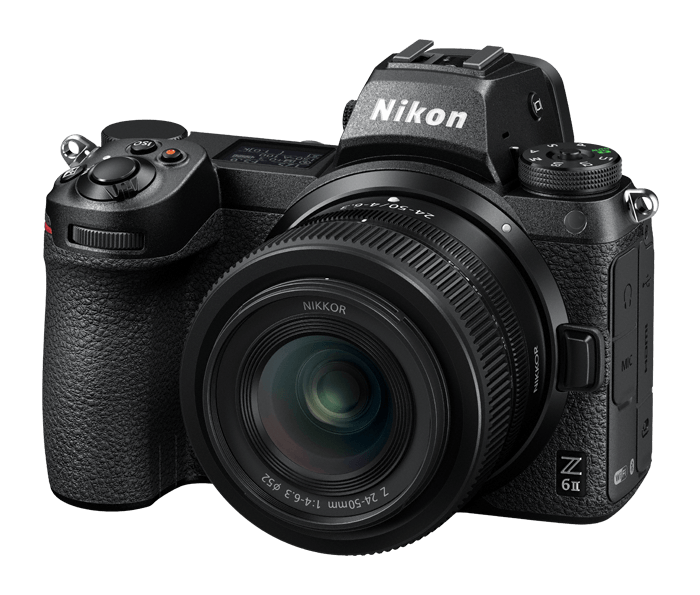

The Nikon Z6 II and Sony A9 II are two prominent full-frame mirrorless cameras that cater to varying needs, making them frequently compared by both enthusiasts and professionals alike. Photographers seeking a balance between high-quality imaging, fast performance, and robust features often find themselves choosing between these two models. While both cameras excel in specific areas, their differing specifications and capabilities can greatly influence the decision-making process for potential buyers. Key differentiators include autofocus performance, image quality, and system versatility, making this head-to-head comparison essential for informed purchasing decisions.
Specifications Comparison
Detailed Comparison
Image Quality
When it comes to image quality, both cameras use full-frame sensors capable of excellent performance. The Nikon Z6 II features a 25 MP sensor, while the Sony A9 II has a slightly lower resolution at 24 MP. However, the difference in megapixels is minimal for most applications. Nikon's ISO performance is commendable with an extended range of 50-204800, which offers great low-light capabilities. Meanwhile, the A9 II also matches this with its similar ISO range. Real-world tests indicate that both cameras deliver stunning results with good dynamic range and color accuracy. However, slight differences in rendering and post-processing may appeal to different users, depending on their preferences.
Autofocus System
In the autofocus category, the Sony A9 II takes a significant lead with 693 phase-detection autofocus points, enhancing its tracking capabilities, especially for fast-moving subjects. This makes it an exceptional choice for sports and wildlife photography. The Nikon Z6 II's 273 AF points are robust but not as extensive as the A9 II. Both cameras support advanced tracking technologies; however, the A9 II's performance in challenging conditions makes it a standout. Users will find that the A9 II's autofocus system delivers faster and more accurate results overall, particularly beneficial in competitive photography.
Video Capabilities
Both the Nikon Z6 II and Sony A9 II support 4K video at 30p, making them suitable for videography. However, the Z6 II offers a distinct advantage by providing N-Log and HDR recording options, which are beneficial for professional videographers who want to maximize dynamic range in post-production. In contrast, the A9 II lacks such advanced video profiles and focuses primarily on its photographic capabilities. While both cameras offer good video quality, the Z6 II's additional features make it more appealing for those who require serious video performance alongside photography.
Build & Ergonomics
In terms of build quality, both cameras are weather-sealed, offering durability in challenging conditions. The Nikon Z6 II measures 134 x 101 x 70 mm and weighs 705 g, providing a solid heft that many users find comfortable. In comparison, the Sony A9 II is slightly smaller at 129 x 96 x 76 mm and lighter at 678 g, making it a more portable option. User ergonomics may vary; the A9 II features a more pronounced grip which some may prefer for extended shooting. Both bodies are designed with professional use in mind, however, making this aspect largely subjective based on personal preference.
Battery & Storage
When it comes to battery life, the Sony A9 II excels with a reported 690 shots per charge, outperforming the Nikon Z6 II's 410 shots. This extended battery life is crucial for long shoots and events where changing batteries frequently isn't feasible. In terms of storage, both cameras support dual card slots, enhancing flexibility and backup options. However, professional users aiming for a higher shot count should consider the A9 II as a more reliable option in this domain. The ability to shoot longer without changing batteries adds significant value for those in demanding environments.
Value for Money
The Nikon Z6 II is priced at $1995, making it an attractive option for hobbyists and semi-professionals seeking a full-frame camera with a strong feature set. This lower price point can appeal to those who prioritize value over absolute performance. In contrast, the Sony A9 II, priced at $4500, targets high-end professionals who require top-tier performance, particularly in sports and rapid-action scenarios. While the A9 II justifies its price with advanced features, the Z6 II provides exceptional capabilities at a much friendlier price point for the budget-conscious buyer. Hence, the Z6 II may offer better overall value for many users.
Our Verdict
While both the Nikon Z6 II and Sony A9 II have their merits, the A9 II is the overall winner due to its superior autofocus capabilities and extended battery life, making it ideal for high-speed photography scenarios. However, for those who value video features and a lower price point, the Nikon Z6 II remains an excellent choice, particularly for hybrid shooting that balances both photos and videos. Ultimately, buyers should consider their specific use cases and preferences to determine which camera best suits their needs.
Nikon Z6 II
Sony A9 II
Also Compare
Frequently Asked Questions
Which camera has better autofocus performance?
The Sony A9 II has superior autofocus performance with 693 points compared to Nikon's 273 points, making it better suited for fast-action photography.
Is the Nikon Z6 II better for video recording?
Yes, the Nikon Z6 II offers advanced video recording features such as N-Log, which enhances video quality and post-processing flexibility.
Which camera is more versatile for different photography styles?
The Nikon Z6 II is generally more versatile, tailored for both photography and videography, while the A9 II is focused on high-speed performance and action photography.
How does battery life compare between the two cameras?
The Sony A9 II offers better battery life with up to 690 shots, compared to the Nikon Z6 II's 410 shots, making it more reliable for extensive shoots.
Which camera offers better value for money?
The Nikon Z6 II provides better value at a price of $1995, while the A9 II is priced at $4500, targeting high-end professionals.