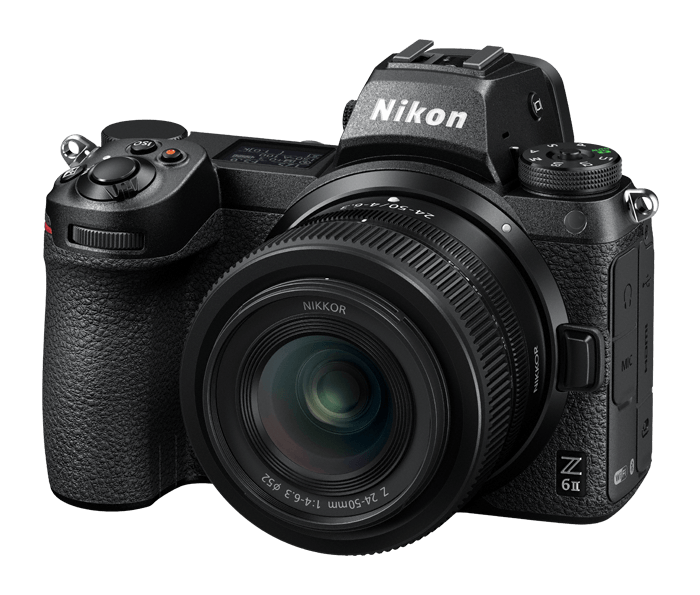
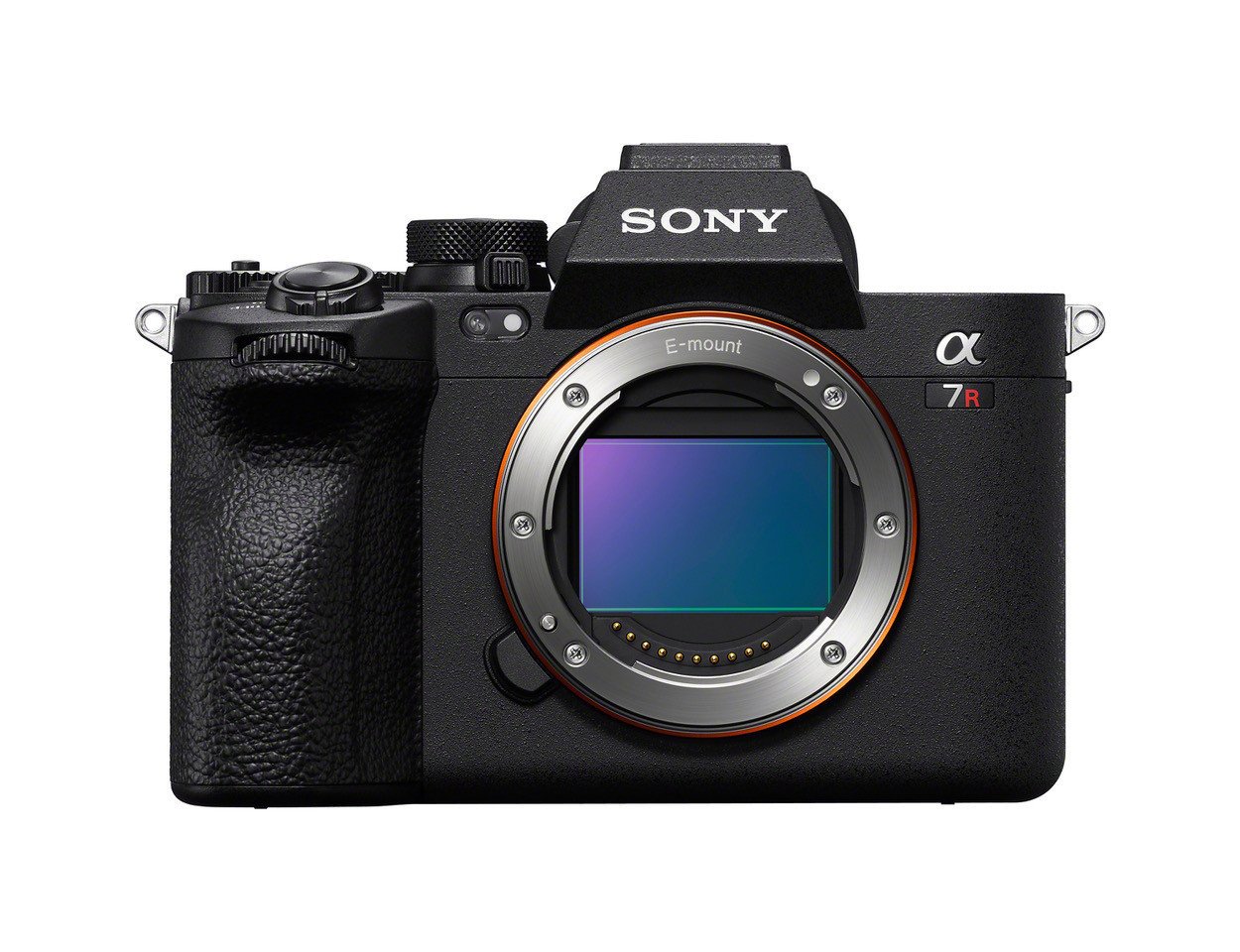
The Nikon Z6 II and Sony A7R V are two premier full-frame mirrorless cameras that have garnered significant attention from both professional and enthusiast photographers alike. They represent distinct approaches to the market, with the Nikon Z6 II being a versatile option focused on balanced performance, while the Sony A7R V emphasizes high-resolution imaging and advanced features. Buyers often find themselves choosing between them due to the desire for either a well-rounded camera capable of excellent performance across various scenarios or a specialized tool that excels in image detail and professional-level video capabilities.
Specifications Comparison
Detailed Comparison
Image Quality
When it comes to image quality, resolution plays a crucial role, and here the Sony A7R V clearly stands out with its 60-megapixel sensor, far exceeding the Nikon Z6 II's 25 megapixels. This higher resolution can significantly benefit landscape and studio photographers who require immense detail. The A7R V also features superior high ISO performance that can be beneficial in low-light scenarios. However, the Z6 II's sensor still provides excellent image quality and dynamic range, allowing for stunning images even at higher ISO settings, offering a practical balance between resolution and low-light performance.
Additionally, the color science is another aspect to consider. Nikon cameras often provide a more neutral, pleasing out-of-camera color profile, which is highly regarded among portrait photographers. Sony's color science has improved in recent years, producing vibrant and accurate colors that appeal to many users. Ultimately, while the A7R V has the edge in raw pixel count, the Z6 II provides satisfying results in many photographic situations without overwhelming detail that may not be necessary for everyday use.
Autofocus System
Autofocus is a vital feature for many photographers, and the Sony A7R V excels with its 693 autofocus points. This extensive coverage allows for precise tracking of subjects, making it ideal for action photography, wildlife, or fast-moving subjects. The camera also benefits from advanced features like Real-Time Eye AF, which has proven to be a game-changer in portrait and event photography.
The Nikon Z6 II, while boasting a respectable 273 autofocus points, still provides fast and accurate focusing in various conditions. The camera includes complementary features like Eye AF, but it does not match the level of sophistication and performance found in the A7R V. However, for those primarily shooting stills or in less demanding autofocus scenarios, the Z6 II remains a strong contender in this aspect, delivering reliable results.
Video Capabilities
The Sony A7R V outshines the Nikon Z6 II in the realm of video capabilities, offering enhanced options for videographers. It supports 4K video at 60p, enabling high-resolution recording that is ideal for modern video demands. The A7R V also leverages its 60-megapixel sensor to achieve incredible detail and clarity in footage, alongside advanced features like S-Cinetone for cinematic productions.
In comparison, the Nikon Z6 II offers 4K video at 30p, which, while adequate for many users, falls short for those who require higher frame rates for smooth motion in dynamic video scenarios. Additionally, the Z6 II supports robust video features such as N-Log and 10-bit recording, which provide ample post-production flexibility. Therefore, for dedicated videographers seeking high frame rate options with extensive video features, the A7R V is the clear winner.
Build & Ergonomics
Both the Nikon Z6 II and Sony A7R V feature robust, weather-sealed bodies that promise durability, appealing to photographers who often shoot in challenging conditions. The Z6 II is slightly heavier at 705g compared to the A7R V's 723g, and while the weight difference is marginal, it could influence prolonged hand-held shooting comfort. The dimensions also hint at a difference in handling; the A7R V is bulkier in a vertical sense, which some users may find less ergonomic than the Z6 II.
Ergonomically, both cameras are designed with modern photographers in mind, equipped with customizable buttons and responsive touch screens. The Z6 II features a slightly larger grip, which some may find more comfortable during extended use. Yet, the A7R V brings modern touches to its interface with an impressive battery life, making it attractive for long shoots. Ultimately, personal preference in handling will dictate which model feels better in hand.
Battery & Storage
Battery life is a critical factor for any photographer, and here, the Sony A7R V leads the charge with a noted capacity of around 530 shots. In contrast, the Nikon Z6 II provides approximately 410 shots per charge. This performance difference can prove significant during long shooting sessions, especially for wedding or event photographers where changing batteries frequently might not be practical.
Storage options also merit attention. The Nikon Z6 II features dual card slots (both SD), offering flexibility concerning workflow management and backup. The A7R V similarly supports dual card slots but with one supporting CFexpress Type A, which can provide faster writing speeds, particularly beneficial for high-resolution video recordings. Thus, in terms of battery life and storage flexibility, the A7R V holds the advantage.
Value for Money
When evaluating the value proposition, the Nikon Z6 II presents an undeniable appeal with a price point of $1995. This makes it an attractive choice for enthusiasts and semi-professionals seeking a capable full-frame mirrorless camera without breaking the bank. While it may not possess the ultra-high resolution or advanced video capabilities of the A7R V, it offers a balanced feature set that caters to a broad range of photography needs.
On the other hand, the Sony A7R V, priced at $3900, is geared towards professionals who require the absolute best in resolution, performance, and features. Although it commands a premium price, its extensive capabilities position it as a worthwhile investment for photographers whose projects demand the best quality. In summary, for casual users or those on a budget, the Z6 II provides significantly more bang for the buck, whereas the A7R V is better suited to high-end users who require top-tier performance and are willing to pay for it.
Our Verdict
In conclusion, while the Nikon Z6 II has its strengths, particularly in terms of value for money and a balanced feature set, the Sony A7R V ultimately emerges as the winner. Its superior image resolution, advanced autofocus system, and enhanced video capabilities make it the preferred choice for professional photographers and videographers who prioritize quality above all else. The Z6 II remains an excellent option for those who appreciate affordability and versatility but might sacrifice some advanced features that the A7R V offers. Thus, selecting between these two exceptional cameras boils down to the specific needs and budget of the photographer.
Nikon Z6 II
Sony A7R V
Also Compare
Frequently Asked Questions
Which camera has better resolution?
The Sony A7R V has a significantly higher resolution of 60 megapixels compared to the Nikon Z6 II's 25 megapixels, making it better suited for detail-oriented photography.
Which camera performs better in low-light conditions?
Both cameras perform well in low light, but the Nikon Z6 II has wider ISO expansion, reaching up to 204800, which can be beneficial for extreme low-light situations.
How do the video features compare?
The Sony A7R V offers 4K video at 60p, which is superior to the Nikon Z6 II's 4K at 30p, making the A7R V a better choice for video professionals.
Which camera is more suitable for travel photography?
The Nikon Z6 II, with its compact design and lower price, may be more suitable for travel photography, while the A7R V is better suited for photographers seeking uncompromising image quality.
Do both cameras have good battery life?
The Sony A7R V has a better battery life of approximately 530 shots compared to the Nikon Z6 II's 410 shots, making it preferable for longer shooting sessions.