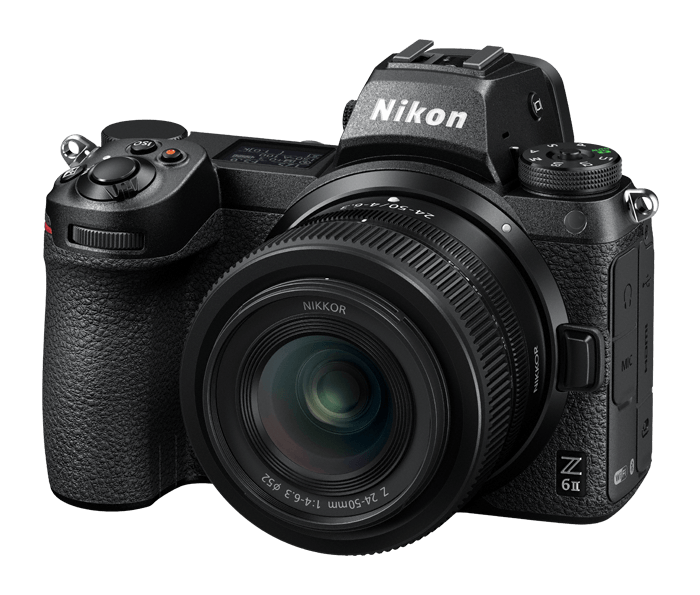
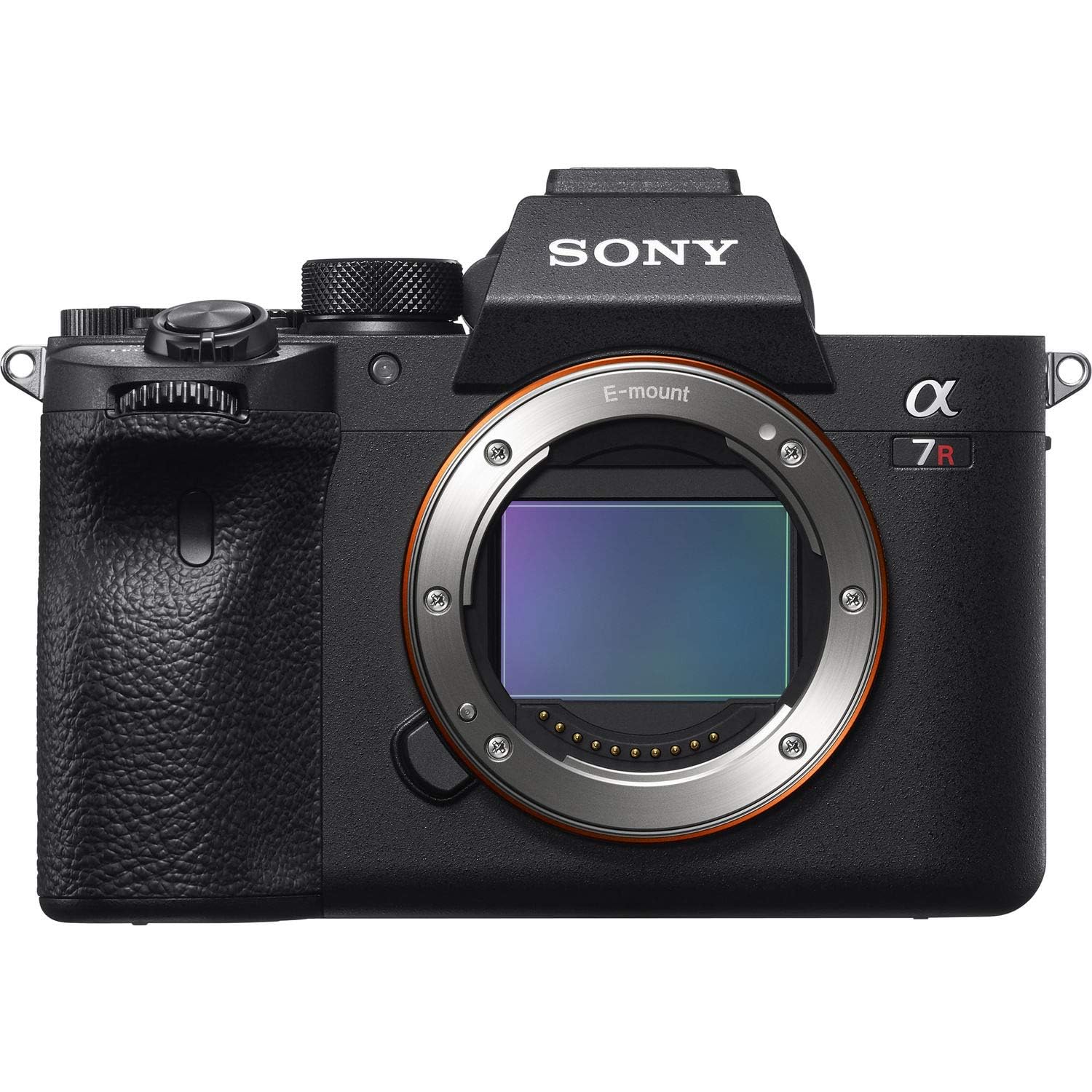
The Nikon Z6 II and Sony A7R IV are two of the most sought-after full-frame mirrorless cameras available. Photographers and videographers often find themselves weighing these two models, particularly those looking for a high-performance option in the mid to high-end segment. The key differentiators between the two include resolution, autofocus capabilities, and overall value, which can significantly affect a buyer's decision based on their specific needs and preferences in shooting styles.
Specifications Comparison
Detailed Comparison
Image Quality
The image quality between the Nikon Z6 II and the Sony A7R IV varies significantly, primarily due to sensor resolution. The A7R IV features a whopping 61 megapixels, providing extraordinary detail and making it ideal for large prints and cropping flexibility. In comparison, the Z6 II offers a more modest 25 megapixels, which may seem less impressive but still delivers excellent dynamic range and color reproduction-especially in low-light settings. The Z6 II excels in high ISO performance, with an extended range up to 204800, compared to the A7R IV's 102800, making it a bit more versatile in challenging lighting conditions.
However, while the A7R IV has higher resolution, the difference in practical shooting scenarios may not be drastic for many users, particularly those who don't focus on extreme cropping or high-end print work. For wedding and event photographers, the Z6 II's capabilities might be more appealing despite its lower megapixel count due to better low-light performance. Overall, while both cameras produce stunning images, the A7R IV takes the edge due to its higher resolution and incredible detail retention in good lighting conditions.
Autofocus System
Autofocus performance is a critical aspect for any serious photographer, and here the Sony A7R IV exhibits a superior system with its 567 phase-detection points compared to the 273 points found in the Nikon Z6 II. This extensive autofocus coverage with the A7R IV leads to quicker and more reliable focusing, especially in fast-moving scenarios, such as wildlife or sports photography. Additionally, the A7R IV has an excellent eye autofocus feature that performs remarkably well in portraiture.
The Z6 II, while having a solid autofocus system, can appear lagging behind the A7R IV in terms of speed and accuracy, especially in challenging conditions. However, it still offers good focus tracking and performance for most scenarios. As a result, for photographers who focus on candid or dynamic subjects, the Sony A7R IV stands out as the winner in this category due to its superior autofocus system.
Video Capabilities
Both the Nikon Z6 II and Sony A7R IV offer impressive video capabilities, featuring 4K recording up to 30p. The Z6 II, however, is particularly appreciated for its more user-friendly video features, such as its full-frame output without crop, which is advantageous for filmmakers seeking cinematic quality. Furthermore, the internal 10-bit N-Log in the Z6 II provides more flexibility in post-processing, making it appealing for serious video work.
The A7R IV, on the other hand, while offering superb 4K quality, is generally better suited for high-resolution photography rather than video-centric projects. Users looking primarily for a videography tool might find greater satisfaction with the Z6 II's features despite its lower photorealistic pixel count. For filmmakers and content creators, the Z6 II can be seen as a better fit due to its flexibility, leading to its win in this category.
Build & Ergonomics
Both cameras are built with weather-sealed bodies, emphasizing durability and usability in various shooting conditions. The Z6 II weighs slightly more at 705g compared to the A7R IV's 665g, which may be a consideration for users planning to carry their cameras for extended periods. Ergonomically, both models are well-designed, but the Z6 II is often praised for its grip and overall handling, making it a solid choice for extended shooting sessions. The A7R IV features a slightly more compact design, appealing to users who prefer lightweight setups without sacrificing performance.
Ultimately, the decision may come down to personal preference, but considering these factors, the Z6 II's ergonomics are typically favored by those who prioritize comfort during longer shoots, leading to its victory in this category.
Battery & Storage
When it comes to battery life, the A7R IV impresses with approximately 670 shots per charge, surpassing the Z6 II's 410-shot capacity. This gives the A7R IV an advantage for long shoots where charging options may be limited. Additionally, both cameras use different storage formats; the A7R IV supports dual card slots with a combination of SD and CFexpress, allowing for swift data transfer rates suitable for high-resolution files.
The Z6 II also supports dual card slots, which is a significant advantage when considering data redundancy and storage management during shoots. However, dual SD slots in the Z6 II may lag behind the flexibility offered by the A7R IV's CFexpress compatibility, especially for high-bitrate video. The A7R IV's overall greater battery life and faster storage options contribute to its win in this category.
Value for Money
In terms of pricing, the Nikon Z6 II comes in at around $1995, making it a relatively more affordable option compared to the Sony A7R IV, which retails for approximately $3500. Budget-conscious photographers and videographers looking for a full-frame camera will find the Z6 II to be a compelling choice, offering a significant balance of performance and price.
The A7R IV, while more expensive, targets professionals who need the utmost in image quality and resolution, which can justify its price point for those whose work relies heavily on these features. With the substantial difference in price, the Z6 II provides better value for those who do not require the extreme resolution capabilities of the A7R IV. Therefore, considering the price-to-performance ratio, the Z6 II emerges as a more cost-effective option for average users.
Our Verdict
Considering the overall performance aspects of the Nikon Z6 II and the Sony A7R IV, the A7R IV emerges as the winner due to its unparalleled image resolution and superior autofocus capabilities. For professionals focused on photography, especially in high-resolution dependent fields, the A7R IV is the clear choice. However, the Z6 II also stands strong, particularly for videographers and general photographers seeking a more budget-friendly solution with excellent performance in low-light conditions and ergonomics. Each camera has its strengths, making the decision ultimately depend on individual use cases and budget constraints.
Nikon Z6 II
Sony A7R IV
Also Compare
Frequently Asked Questions
Which camera is better for low-light photography?
The Nikon Z6 II is better for low-light photography due to its superior high ISO performance, allowing for cleaner images in challenging lighting conditions.
Is the Sony A7R IV worth the higher price?
Yes, if you require high resolution and specialized features aimed at professional photographers, the A7R IV justifies its price with exceptional quality and performance.
Which camera is better for video recording?
The Nikon Z6 II offers more user-friendly video features and flexibility, making it a preferable option for videographers.
How do the autofocus systems compare?
The Sony A7R IV's autofocus system is superior with more points and advanced tracking capabilities, making it ideal for fast-moving subjects compared to the Z6 II.
What about battery life?
The Sony A7R IV has better battery life, lasting around 670 shots as opposed to the Z6 II's 410 shots, making it more suitable for extended shoots.