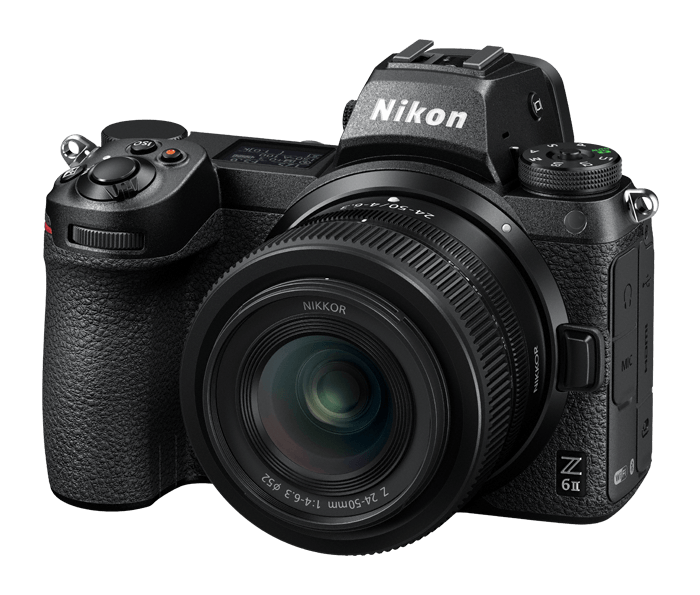
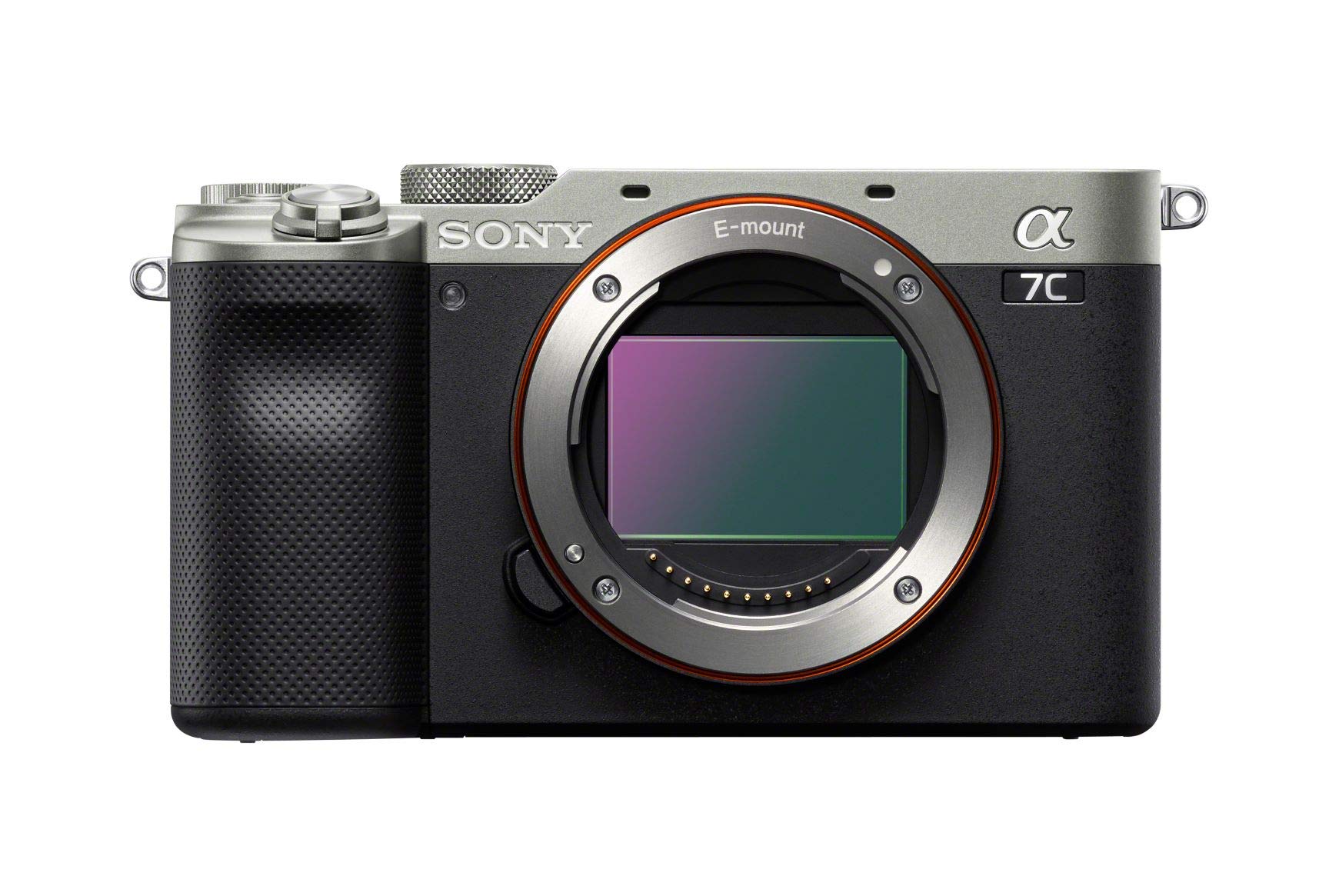
The Nikon Z6 II and Sony A7C are two popular full-frame mirrorless cameras that cater to enthusiasts and professionals alike. As both were released in 2020, they are often compared due to their similar feature sets and pricing. Buyers searching for a versatile camera for both photography and videography may find themselves torn between these two models. Key differentiators like autofocus performance, battery life, and handling can heavily influence the decision-making process.
Specifications Comparison
Detailed Comparison
Image Quality
Both the Nikon Z6 II and the Sony A7C feature full-frame sensors that produce high-quality images. The Z6 II has a slight edge in megapixels, offering 25MP compared to the A7C's 24MP. This difference, while marginal, can be beneficial for those needing high-resolution shots for large prints or extensive cropping. Both cameras have similar ISO ranges, extending from 100 to 51200, with both models capable of expanding even further up to 204800. In tests, the Z6 II demonstrates slightly better performance in low-light conditions, producing less noise at higher ISO levels. This could tip the scales for nighttime photographers or those shooting in dimly lit environments. In terms of dynamic range, both cameras are comparable, capturing detailed shadows and highlights effectively.
Autofocus System
The autofocus system is crucial for capturing sharp images, especially in fast-paced environments. The Sony A7C sports an impressive 693 autofocus points, giving it a significant advantage for tracking moving subjects. This extensive coverage can be particularly beneficial for wildlife and sports photography. In contrast, the Nikon Z6 II has 273 autofocus points, which, while fewer, still provides good tracking capabilities. However, the Z6 II's autofocus is noted for its accuracy and reliability, especially in lower light settings. Some users may appreciate the complexity and advanced capabilities of the A7C's system for specific genres, while others may prefer the simplicity and effectiveness of the Nikon's autofocus for general use.
Video Capabilities
Both the Nikon Z6 II and the Sony A7C offer robust video recording capabilities, supporting 4K video at 30 frames per second, which is standard for this class of camera. The Z6 II has a reputation for high-quality video output, offering N-Log and 10-bit internal recording, making it a favorite among videographers seeking flexibility in post-production. The A7C, while also a strong contender, lacks some of these advanced video recording features, focusing primarily on usability and portability but with less depth in video options. For filmmakers who require advanced features and better color grading capabilities, the Z6 II may be the better option.
Build & Ergonomics
When it comes to ergonomics, both cameras are well built, featuring weather sealing for improved durability. The Nikon Z6 II is slightly bulkier and heavier, weighing in at 705g compared to the Sony A7C's 509g. This weight difference can impact portability, especially for travel photographers who prioritize lightweight gear. The dimensions of the A7C are also more compact, making it easier to handle and store. The controls on both cameras are intuitive, albeit the Z6 II might provide a more robust feel due to its larger grip. For those who favor handling and lightweight travel, the A7C may be more appealing, but users looking for a more substantial grip may prefer the Z6 II.
Battery & Storage
Battery life is a significant consideration for photographers and videographers. The Sony A7C boasts a longer battery life, offering approximately 740 shots per charge, whereas the Nikon Z6 II provides around 410 shots. This can be a crucial factor for those shooting in remote locations or for extended periods where charging may not be feasible. Both cameras use their respective manufacturers' battery systems, so neither offers significant compatibility advantages here. In terms of storage, both cameras support common card formats. However, the A7C's performance with high-speed SD cards gives it a slight advantage, especially concerning burst shooting and video recording.
Value for Money
In consideration of pricing, the Nikon Z6 II is priced at $1995 while the Sony A7C is slightly more affordable at $1799. The price difference, while not substantial, could influence the decision for budget-conscious buyers. The Z6 II offers superior video capabilities and image quality, which may justify its higher price for some users. In contrast, the A7C stands out in terms of portability and battery life, making it an excellent value for travel photographers needing reliable performance on the go. Ultimately, the best choice comes down to which camera aligns more closely with the buyer's priorities and workflow needs.
Our Verdict
Overall, the Nikon Z6 II edges out as the winner primarily due to its superior image quality and advanced video capabilities. For photographers and videographers seeking the best performance in low light and flexibility in post-production, the Z6 II is a strong choice. However, the Sony A7C offers remarkable portability and greater battery life, making it an excellent option for travelers and those prioritizing ease of use. Both cameras have their unique strengths, and the decision ultimately depends on the buyer's specific needs and shooting style.
Nikon Z6 II
Sony A7C
Also Compare
Frequently Asked Questions
Which camera is better for low-light photography?
The Nikon Z6 II generally performs better in low-light conditions, producing clearer images with less noise due to its slightly higher megapixel count and overall sensor performance.
How do the autofocus systems compare?
The Sony A7C has a more extensive autofocus system with 693 points, offering better tracking for moving subjects compared to the Nikon Z6 II's 273 autofocus points, which are also effective but fewer in number.
Which camera is more suitable for video work?
The Nikon Z6 II is better suited for video work thanks to its support for 10-bit N-Log recording, providing more flexibility in color grading during post-production compared to the Sony A7C.
Is the battery life significantly different?
Yes, the Sony A7C has a superior battery life, lasting for approximately 740 shots compared to the Nikon Z6 II's 410 shots, making it a more reliable choice for longer shooting sessions.
What should I consider for travel photography?
If you prioritize portability and lower weight, the Sony A7C is the clear choice at 509g, whereas the Nikon Z6 II is heavier and bulkier, which may be a factor in terms of ease of carrying when traveling.