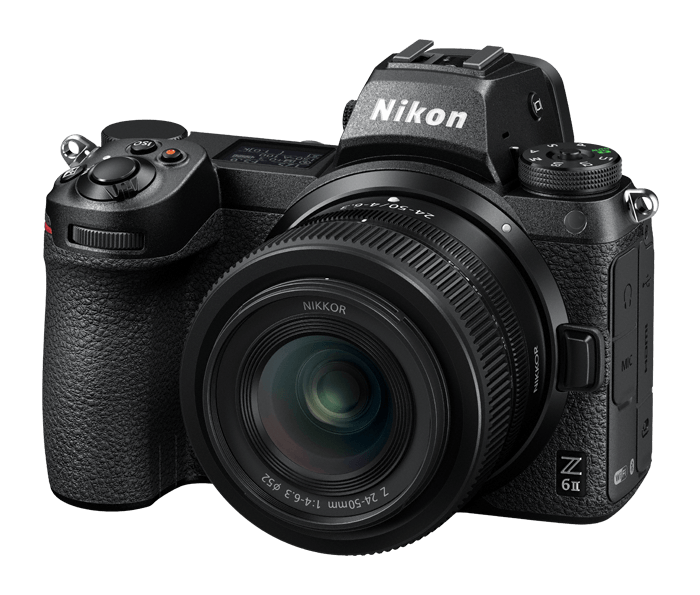
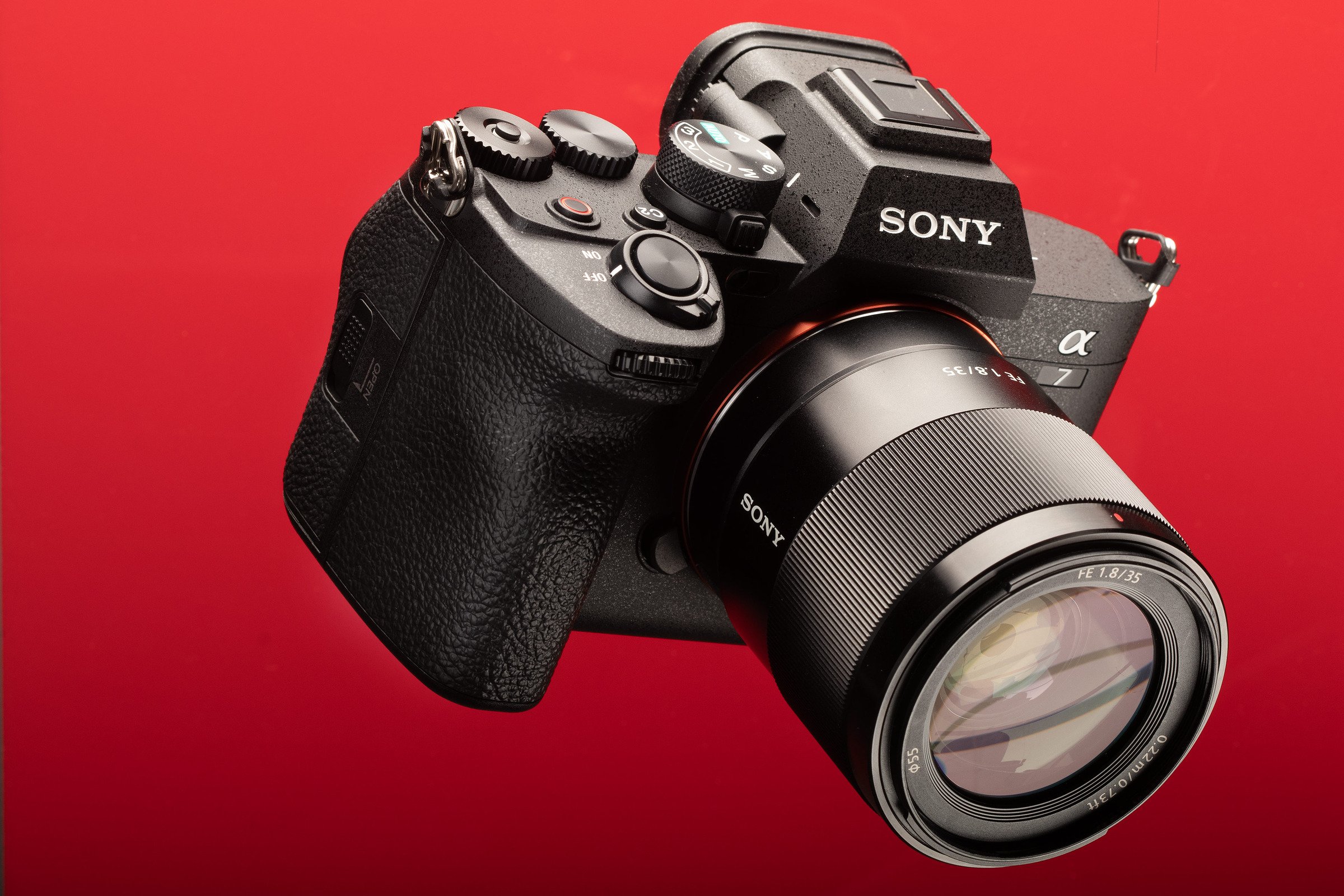
The Nikon Z6 II and Sony A7 IV are two popular full-frame mirrorless cameras that are frequently compared by both amateur photographers and seasoned professionals. Both cameras are designed to deliver high-quality imaging experiences, but they attract different user bases due to their distinct feature sets, ergonomics, and pricing. Buyers often find themselves choosing between these two models based on their specific needs in areas like image quality, autofocus performance, and video capabilities. This comparison explores how each camera addresses these elements while highlighting their unique strengths and weaknesses.
Specifications Comparison
Detailed Comparison
Image Quality
The Nikon Z6 II features a 25-megapixel sensor, which produces high-quality images with excellent detail and dynamic range. In contrast, the Sony A7 IV boasts a higher resolution 33-megapixel sensor that allows for more detailed cropping and larger prints. Both cameras perform well across their respective ISO ranges of 100-51200 (with expansions up to 50-204800), and they exhibit excellent noise performance. However, the higher pixel count of the A7 IV gives it an edge in scenarios requiring greater detail. Nevertheless, the Z6 II is still highly regarded for its color accuracy and natural skin tones, which is an essential aspect for portrait photographers. Overall, while the Nikon Z6 II offers great performance, the higher resolution of the A7 IV makes it a more compelling option for those prioritizing fine detail.
Autofocus System
In terms of autofocus, the Sony A7 IV significantly outperforms the Nikon Z6 II. The A7 IV has 759 autofocus points, providing extensive coverage and more versatility, especially when tracking moving subjects. This is particularly useful for wildlife and sports photographers. The Z6 II, with 273 points, is no slouch, as it still provides responsive performance in various shooting conditions; however, it cannot match the sheer sophistication and speed of the A7 IV's system, which benefits from Sony's Dual Pixel technology and Real-Time Eye Autofocus. This makes the A7 IV a better choice for fast-paced scenarios requiring accurate focus acquisition. Therefore, while both systems are capable, the A7 IV clearly has the advantage.
Video Capabilities
Both cameras offer impressive video features, but the Sony A7 IV shines with its ability to record 4K video at up to 60 frames per second, which makes it ideal for high-resolution, high-frame-rate recording. The Z6 II, although offering 4K video recording, is limited to 30 frames per second. The A7 IV also supports various advanced video features, including S-Cinetone color profile, which is well-regarded in video production, offering cinematic quality right out of the camera. On the other hand, the Z6 II includes a 5-stop in-body stabilization that works well in reducing camera shake for video content, while the A7 IV has an even better 5.5-stop stabilization. As a result, for videographers looking for advanced recording features, the A7 IV is the clear choice.
Build & Ergonomics
Both the Nikon Z6 II and Sony A7 IV are designed with a sturdy build and weather-sealing capabilities, making them reliable options for outdoor shooting. The Z6 II is slightly larger and heavier at 705g compared to the 659g of the A7 IV. However, many users find the Nikon's grip and overall ergonomics more comfortable for extended use, especially with larger lenses. The button layout on the A7 IV, while excellent, may require a more significant learning curve for newcomers. Additionally, the Z6 II's screen is slightly larger at 3.2 inches versus the A7 IV's 3-inch display, though the A7 IV's screen offers a higher resolution and better functionality for video creators. In terms of build quality, both cameras hold up well, but the ergonomics might sway some users towards the Z6 II.
Battery & Storage
When comparing battery life, the Sony A7 IV provides a noteworthy advantage, offering approximately 580 shots per charge compared to the Z6 II's 410 shots. This increased endurance can greatly benefit photographers who shoot in larger sessions without immediate access to spare batteries. Both cameras utilize similar dual card slots for storage, supporting high-speed CFexpress Type A (A7 IV) and XQD/CFexpress Type B (Z6 II), which allows for fast read/write speeds. This means both cameras can handle continuous high-resolution burst shooting and 4K video with ease. However, for those who prioritize longer photography sessions without frequent battery changes, the A7 IV comes out ahead.
Value for Money
At a retail price of $1995 for the Nikon Z6 II and $2499 for the Sony A7 IV, the Z6 II presents a more budget-friendly option while still delivering solid performance across multiple areas. However, the A7 IV's higher price tag can be justified by its superior image quality, autofocus system, and video capabilities. For those who require peak performance and enhanced features, the investment in the A7 IV may be considered worthwhile. On the other hand, for enthusiasts and photographers who are mainly focused on still imagery and who do not require cutting-edge video features, the Z6 II offers noteworthy value with its robustness and overall capabilities. Ultimately, value will depend on individual requirements and budget constraints.
Our Verdict
In conclusion, while the Nikon Z6 II provides excellent image quality and ergonomic handling at a more attractive price point, the Sony A7 IV emerges as the overall winner in this comparison due to its superior autofocus capabilities and advanced video features. The A7 IV is especially suited for professional photographers and videographers who demand the best quality, versatility, and performance in a wide range of scenarios. However, the Z6 II remains a strong contender, particularly for users who prioritize a comfortable grip and excellent still-image performance at a lower cost, making it a great option for enthusiasts and casual shooters alike.
Nikon Z6 II
Sony A7 IV
Also Compare
Frequently Asked Questions
Which camera is better for low-light photography?
Both cameras perform well in low-light conditions, utilizing similar ISO ranges. The Z6 II's lower megapixel count may provide slightly better noise control, but the A7 IV's higher resolution offers more detail for low-light situations.
Is the autofocus better on the Nikon Z6 II?
No, the Sony A7 IV has a significantly superior autofocus system with 759 points compared to the Z6 II's 273 points, making it better for tracking moving subjects.
Which is preferred for video shooting?
The Sony A7 IV is preferred for video shooting due to its 4K 60p capability and advanced video features, outpacing the Z6 II's 4K 30p recording.
What is the battery life like on both cameras?
The Sony A7 IV offers a longer battery life at approximately 580 shots, while the Nikon Z6 II provides around 410 shots per charge.
Are both models weather-sealed?
Yes, both the Nikon Z6 II and Sony A7 IV feature robust weather-sealing, making them suitable for use in various challenging environments.