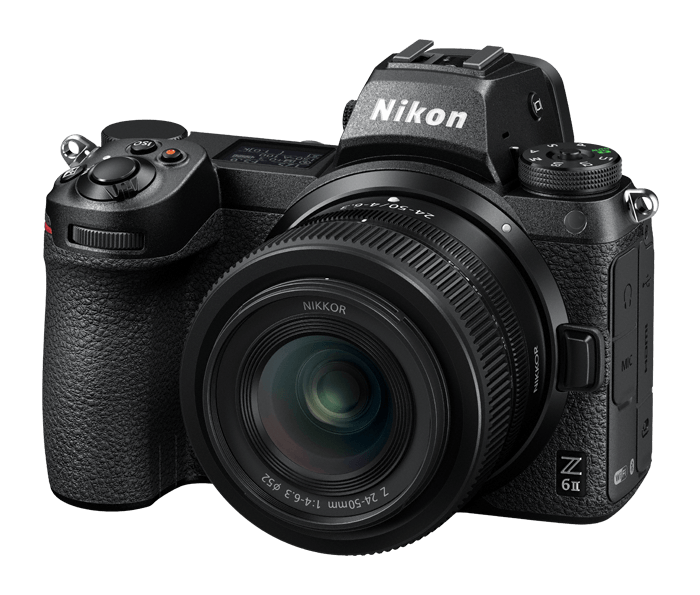
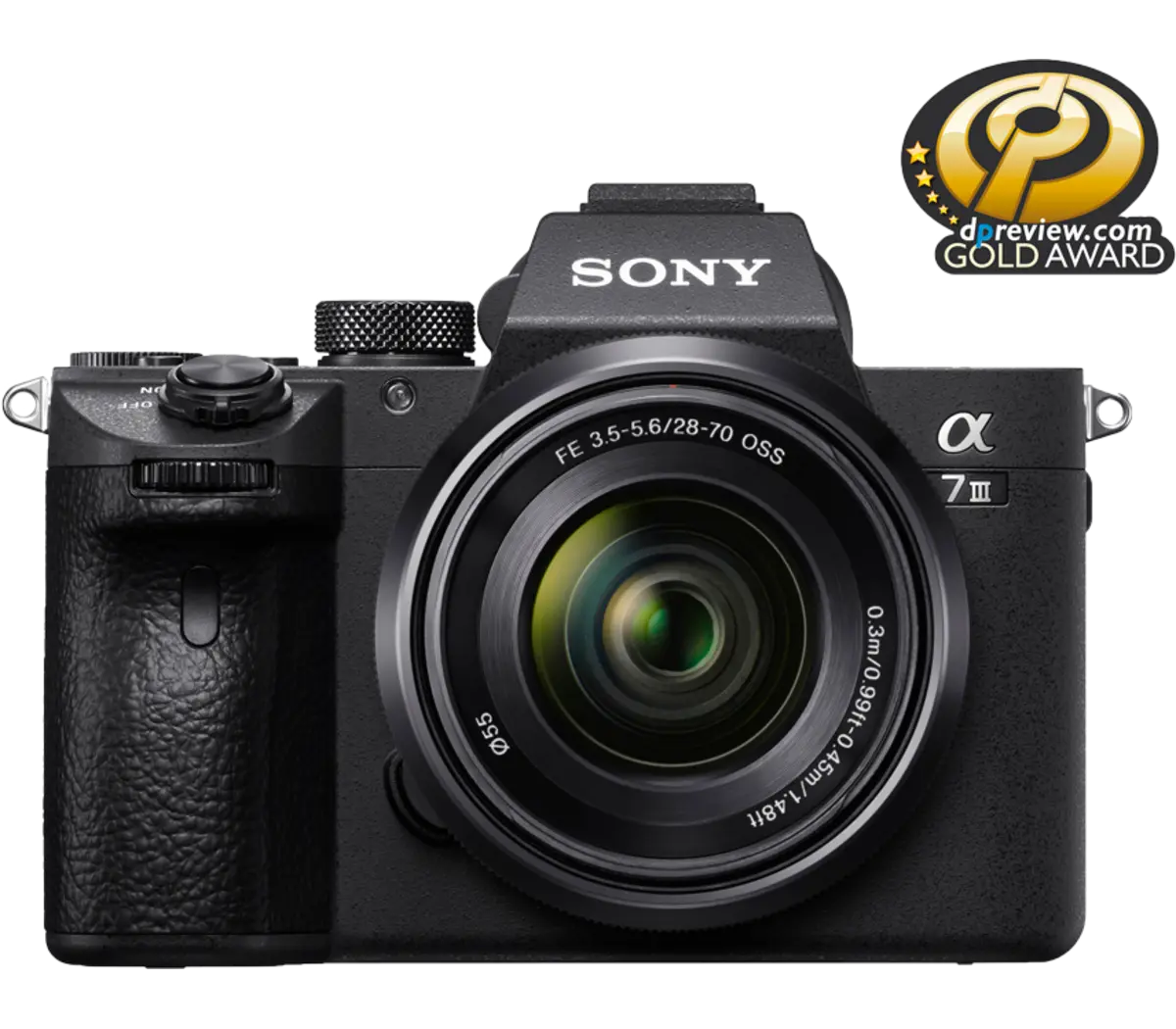
The Nikon Z6 II and Sony A7 III are two of the most popular full-frame mirrorless cameras on the market, often chosen by both professional photographers and enthusiasts. They are commonly compared due to their similar price points and target audiences, balancing features that cater to a variety of shooting styles, from portrait to landscape to video work. While both cameras excel in many areas, their distinct specifications and performance capabilities can create crucial differentiators for potential buyers.
When considering these two models, photographers typically weigh factors such as image quality, autofocus performance, video capabilities, build quality, and overall value. The Z6 II brings a slightly higher megapixel count and improved processing power, while the A7 III is lauded for its exceptional autofocus system and battery life. Deciding between these two may ultimately depend on individual needs, stylistic preferences, and intended usage scenarios.
Specifications Comparison
Detailed Comparison
Image Quality
Both the Nikon Z6 II and Sony A7 III deliver impressive image quality, attributable to their full-frame sensors. The Z6 II features a slightly higher resolution at 25 megapixels, compared to the A7 III's 24 megapixels. This additional pixel may offer a slight advantage in terms of detail, especially when cropping images or printing at large sizes. Additionally, the Nikon Z6 II's expanded ISO range reaches up to 204800, offering more flexibility in low-light scenarios when compared to the A7 III, which maxes out at 51200.
However, the A7 III has a long-standing reputation for its natural color reproduction and dynamic range, allowing photographers to achieve pleasing results with minimal post-processing. Both cameras perform admirably high ISO settings, often producing usable results up to ISO 3200. Ultimately, while the Z6 II might edge out in resolution, both models provide excellent image quality that caters to professional needs.
In terms of raw performance in diverse conditions and color fidelity, the A7 III has earned a slight edge among photojournalists and event photographers, while the Z6 II may please still-life and landscape photographers aiming for higher detail.
Autofocus System
The autofocus systems in both the Nikon Z6 II and Sony A7 III are robust, but the A7 III showcases a superior implementation with its 693 phase-detection points, compared to the Z6 II's 273 points. This extensive point coverage allows the A7 III to excel in tracking fast-moving subjects, making it the preferred choice for sports and wildlife photography.
The Z6 II, however, has made strides with its Dual EXPEED 6 processor, offering fast and accurate focusing even in low light. The camera's autofocus system includes eye-detection for both humans and animals, enhancing portrait and wildlife shooting capabilities. Despite having fewer autofocus points, many users find the Z6 II's autofocus responsive and reliable, especially with still subjects.
Ultimately, while both systems are capable, the sheer number of autofocus points and overall speed of the A7 III gives it an advantage, particularly in dynamic shooting scenarios where fast focus acquisition is critical.
Video Capabilities
Both the Nikon Z6 II and Sony A7 III are equipped to fulfill the demands of video content creators, offering 4K video recording at 30 frames per second. The Z6 II supports 10-bit HDMI output for additional color depth, expanding its suitability for professional video work. Additionally, with in-body stabilization providing 5 stops of correction, it helps mitigate camera shake in dynamic situations.
While the A7 III lacks 10-bit video output, it offers a wealth of recording options along with S-Log profiles for color grading. Its video autofocus performance, bolstered by the camera's tracking capabilities, makes it a favorite among filmmakers who prefer reliable focus transitions.
In summary, while both cameras perform well in 4K, the Z6 II's enhanced video output options and stabilization make it a better choice for professionals looking for high-quality video production.
Build & Ergonomics
Both cameras exhibit robust constructions that are weather-sealed, making them durable for outdoor use. The Z6 II weighs slightly more at 705 grams compared to the A7 III's 650 grams, which might affect portability during long shoots. Both models are well-designed, with comfortable grips; however, ergonomics can be subjective.
The Nikon Z6 II features a 3.2-inch screen with 2,100,000 dots, providing a sharper display for composing shots and reviewing images. In contrast, the A7 III has a smaller 3-inch screen with a lower resolution of 921,600 dots, which could be limiting for detailed image review and during composition in bright light. Both cameras offer electronic viewfinders that are excellent for composing shots in various lighting conditions.
Yet, users more accustomed to one brand might find transitioning to another brand's ergonomics less natural. Overall, while both cameras have solid build qualities, the Z6 II offers a better screen resolution and a slightly heavier build that some may perceive as offering more stability.
Battery & Storage
The Sony A7 III excels in battery life, rated at around 710 shots per charge, which significantly outpaces the Nikon Z6 II's 410 shots. This longevity is particularly important for photographers who often shoot in remote locations without easy access to charging solutions. The A7 III utilizes the NP-FZ100 battery, renowned for its performance in demanding conditions.
Additionally, both cameras support dual card slots which enhance workflow flexibility, allowing users to segregate their RAW and JPEG files or manage backups efficiently. However, the Z6 II's dual slots support CFexpress Type B, which lends itself to faster write speeds for high-end video recording and continuous shooting modes.
In short, while the Z6 II offers advanced storage options, the A7 III wins out with superior battery life, making it the better option for those requiring extended shooting sessions.
Value for Money
The Nikon Z6 II is priced at $1995, while the Sony A7 III is slightly higher at $2000. Despite the minor price difference, the value proposition shifts depending on the specific needs of the user. The Z6 II offers enhanced features for video and image quality, especially with its higher megapixel count and better screen resolution, which can be attractive to certain photographers.
The A7 III, however, shines with its autofocus capability and excellent battery performance, which are crucial for many who shoot fast-paced action or long events. The comprehensive lens ecosystem available for both mounts adds to the overall value, with Sony typically enjoying a broader range of third-party lens options.
Ultimately, potential buyers should assess the merits of each camera against their shooting style. For video and still quality enthusiasts, the Z6 II may represent better overall value, whereas for those prioritizing autofocus and battery life, the A7 III may justify its slight price premium.
Our Verdict
Both the Nikon Z6 II and the Sony A7 III excel in their respective domains, resulting in a tie overall. While the Z6 II's superior image quality and video features make it worthwhile for enthusiasts focused on high-resolution shooting and videography, the A7 III stands out due to its unparalleled autofocus system and battery longevity, essential for those who capture fast-paced action. Ultimately, the choice between these two high-quality cameras will depend on individual preferences and shooting requirements.
Nikon Z6 II
Sony A7 III
Also Compare
Frequently Asked Questions
Which camera is better for video recording?
The Nikon Z6 II is generally considered better for video recording due to its 10-bit HDMI output and superior in-body image stabilization.
How do the autofocus systems compare?
The Sony A7 III has significantly more autofocus points (693 vs. 273), offering better tracking for moving subjects. However, both have excellent overall autofocus capabilities.
Which camera has better battery life?
The Sony A7 III outperforms the Nikon Z6 II in battery life, rated at approximately 710 shots compared to 410 shots for the Z6 II.
Are both cameras weather-sealed?
Yes, both the Nikon Z6 II and Sony A7 III are weather-sealed, offering durability for outdoor shooting conditions.
Is there a significant difference in weight?
The Nikon Z6 II is slightly heavier at 705 grams compared to the A7 III, which weighs 650 grams. This may impact portability, particularly for long shoots.