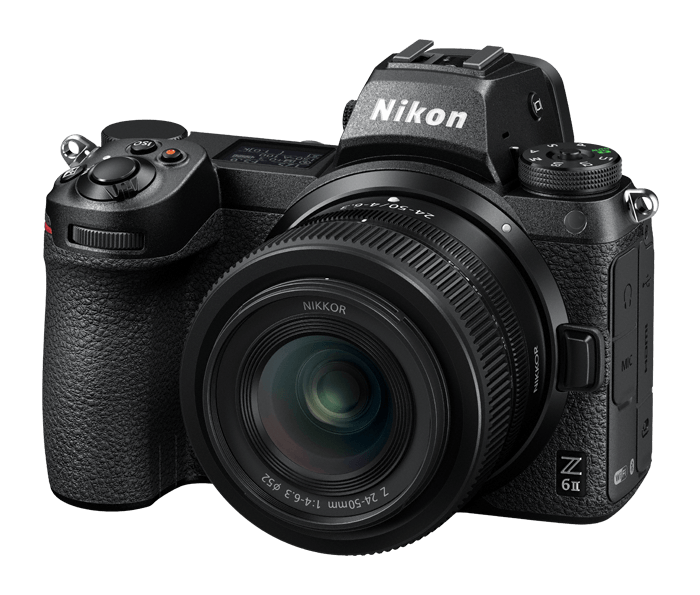
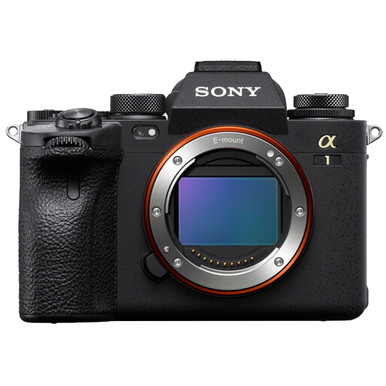
The Nikon Z6 II and the Sony A1 are two of the most sought-after mirrorless cameras in the market, offering full-frame sensors, advanced autofocus systems, and high-quality video capabilities. Both cameras are targeted toward enthusiasts and professionals who demand superior performance for various photographic needs, including landscapes, portraits, and fast-paced action. These two models are often compared due to their similar form factors and feature sets but present significant differences in specifications and performance that can influence a buyer's decision. Key differentiators include resolution, autofocus systems, video specifications, and price points, making it essential for prospective buyers to evaluate their specific needs before choosing between them.
Specifications Comparison
Detailed Comparison
Image Quality
When it comes to image quality, the Sony A1 features a remarkable 50-megapixel sensor compared to the 25 megapixels of the Nikon Z6 II. This higher resolution enables the A1 to deliver more detail, which is beneficial for large prints and extensive cropping without significant loss of quality. However, the Z6 II's sensor is still capable of capturing stunning images, especially in lower light conditions due to its more extensive dynamic range, particularly at higher ISO settings, where it can be expanded to an impressive 204800.
The Z6 II performs admirably in low-light conditions thanks to its ISO range of 100-51200, which allows for cleaner images with less noise at higher settings compared to the A1's 100-32000 range. In practical use, both cameras deliver excellent output, but the A1's higher resolution may be more appealing for those who prioritize detail over low-light performance. Additionally, both systems exhibit color accuracy and effective image rendering, but environmental conditions and the photographer's preferences can also play a significant role in image quality.
Ultimately, while both cameras provide exceptional image quality, the A1's superior resolution gives it an edge for detail-oriented photography, whereas the Z6 II holds its ground in low-light scenarios.
Autofocus System
The autofocus systems in both the Nikon Z6 II and Sony A1 are highly advanced, but the A1 outperforms the Z6 II with its 759 autofocus points, compared to the Z6 II's 273. The A1 also features a superior subject tracking system that excels in fast-moving situations, making it a favored choice for sports and wildlife photographers. In practice, the A1 is known for its quick acquisition and tracking of subjects, allowing for optimal focus even at high frame rates.
The Z6 II, while having a lower number of AF points, still provides reliable autofocus performance with impressive accuracy. Its enhancements from the first generation include improved eye autofocus for both humans and animals, which approach the effectiveness seen in the A1, particularly for portrait photographers who need to ensure sharp focus on the eyes.
Where the Z6 II shines is in its user-friendly experience and adaptability across various shooting situations. However, the A1's advanced technology and broader range of selectable AF points make it the clear winner in this category, particularly for fast-paced photography.
Video Capabilities
In terms of video capabilities, the Sony A1 stands out with its ability to shoot 4K at up to 120 frames per second, which enables stunning slow-motion video with high detail. This feature is particularly appealing for filmmakers who require high frame rates for creative projects. The Z6 II, on the other hand, offers 4K video at 30 frames per second, which is still excellent for a variety of applications but does not match the A1 in frame rate versatility.
Moreover, the A1 also supports 8K recording, while the Z6 II is limited to 4K. The maximum record time and coding options in the A1 allow for greater flexibility in post-processing and enduring professional workflows. Both cameras provide full pixel readout and no pixel binning when shooting 4K, ensuring high-quality output with fine detail and minimal rolling shutter effects.
However, the A1's additional capabilities allow it to cater to professional standards for video production, making it a robust choice for those who prioritize video features. Thus, in this category, the Sony A1 takes the lead with its advanced video capabilities.
Build & Ergonomics
When assessing build quality and ergonomics, both the Nikon Z6 II and Sony A1 offer weather-sealed bodies designed to withstand harsh conditions. The Z6 II weighs slightly less at 705 grams compared to the A1's 737 grams, which might appeal to photographers seeking a lighter rig for extended shooting. Dimensions of both cameras are similar, although the A1 is somewhat bulkier due to its design and additional features.
In terms of interface and usability, the Z6 II comes with a larger, higher-resolution screen, providing more detailed playback and menu navigation. However, the A1's screen, while slightly smaller, still offers excellent clarity and usefulness for live viewing. Both cameras feature electronic viewfinders, but the A1's may have slight advantages in refresh rates and resolution.
Ultimately, preferences for ergonomics can be quite subjective, depending on individual hand size and shooting preferences. Both cameras provide solid builds, but the Z6 II's lighter weight and slightly more user-friendly interface could cater better to those who prioritize extended comfort during long shooting sessions.
Battery & Storage
In terms of battery performance, the Sony A1 offers a longer battery life, rated at approximately 530 shots compared to the Nikon Z6 II's 410 shots. This extended battery life makes the A1 more suitable for extensive sessions without needing to change batteries, which is crucial for professional work where time is essential.
In terms of storage, both cameras use CFexpress Type A or SD UHS-II cards, but the A1's dual CFexpress slots provide superior speed and performance, especially beneficial during high-resolution shooting and video recording at high frame rates. The Z6 II, while also offering dual card slots, combines SD with CFexpress options, which may be acceptable for many users but lacks the speed advantages of dedicated CFexpress in high-speed applications.
Thus, while both cameras provide acceptable battery life and storage flexibility, the A1's performance in this area gives it an edge for demanding professional use cases.
Value for Money
The Nikon Z6 II is priced significantly lower at around $1995, providing a more affordable option for enthusiasts and newcomers who still desire high-quality performance. It offers excellent value, particularly for users who focus primarily on photography, where its capabilities shine through. The balance of features and image quality makes it an attractive option for those who may not require the top-tier specifications of the A1.
In contrast, the Sony A1's high price point of $6500 positions it towards professionals who need its extensive feature set, especially in high-resolution photography and advanced video recording capabilities. It represents a more significant investment but also delivers performance that can justify the cost for users who need the competitive edge.
Ultimately, while both cameras exhibit significant prowess in photography and video, the Z6 II provides incredible value for those on a budget, while the A1 is tailored for users whose work warrants the premium investment. Thus, in terms of overall value for the features offered, the Nikon Z6 II outshines the A1.
Our Verdict
While both the Nikon Z6 II and the Sony A1 have their strengths, the overall performance of the Sony A1 positions it as the superior choice for professionals who demand the highest image quality, advanced autofocus, and video capabilities. The high resolution, extensive autofocus points, and exceptional video performance of the A1 make it versatile for various shooting conditions, especially in professional environments. Conversely, the Nikon Z6 II excels in value for money and ease of use, making it a fantastic option for enthusiasts who prioritize ergonomics and are more focused on still photography. Ultimately, the decision will come down to specific use cases: the A1 for professionals needing premium features, and the Z6 II for budget-conscious photographers looking for excellent performance.
Nikon Z6 II
Sony A1
Also Compare
Frequently Asked Questions
Which camera is better for low-light photography?
The Nikon Z6 II is better for low-light photography due to its wider usable ISO range and lower noise levels at higher ISO settings, making it more effective in challenging lighting conditions.
What camera is best for video production?
The Sony A1 is best for video production, offering 4K at 120fps and even 8K recording capabilities, along with superior video quality and creative options.
Is the higher price of the Sony A1 justified?
Yes, the higher price of the Sony A1 is justified by its advanced features, including higher resolution, better autofocus, and extensive video capabilities, making it suitable for professional use.
Which camera has better autofocus performance?
The Sony A1 has better autofocus performance due to its 759 AF points and superior subject tracking capabilities, making it ideal for fast-moving subjects.
How do the build qualities compare?
Both the Nikon Z6 II and Sony A1 offer robust weather-sealed builds, but the Z6 II is slightly lighter, which may be preferred by those looking for a more portable option.