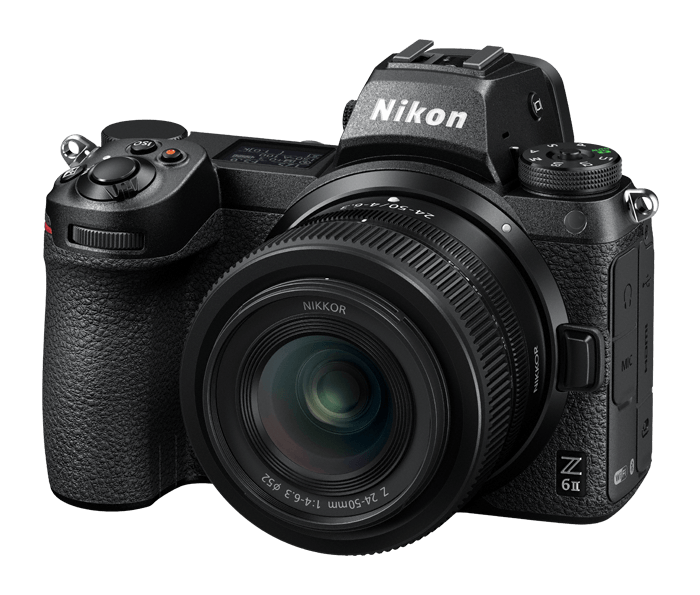
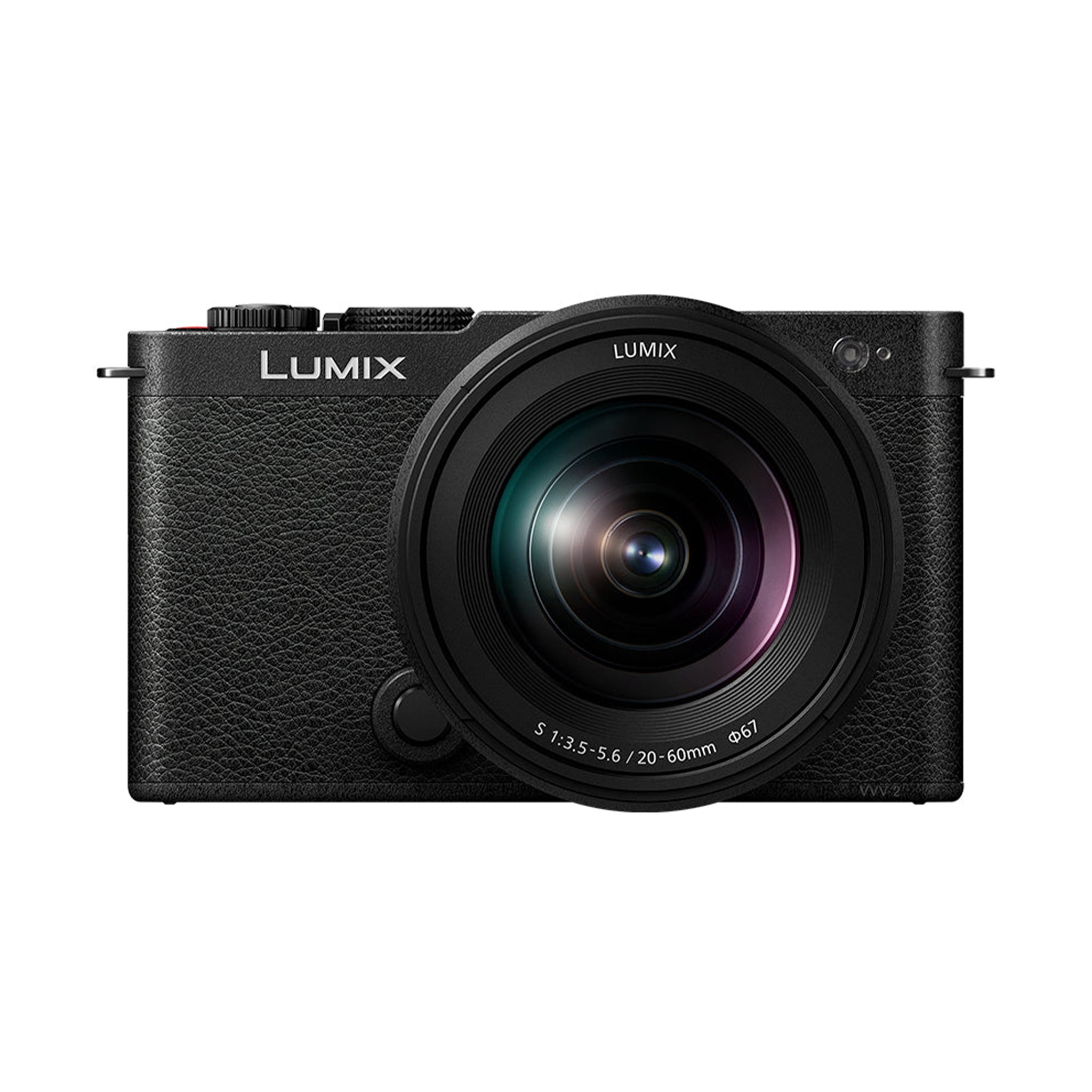
The Nikon Z6 II and the Panasonic S9 are two compelling choices for photographers and videographers alike, often compared due to their full-frame sensors and feature sets that appeal to enthusiasts and professionals. Those considering both cameras are likely looking for a versatile tool that balances still photography and video capabilities. With their respective release years of 2020 and 2024, both cameras showcase the advancements in technology and performance that users have come to expect from top-tier models.
The key differentiators between the Nikon Z6 II and the Panasonic S9 lie in their sensor specifications, video capabilities, and overall design philosophies. While the Nikon Z6 II has slightly higher megapixels and established autofocus technology, the Panasonic S9 promises enhanced video resolution and a lightweight build. Depending on a buyer's specific needs-whether they prioritize stills or videography-one option may prove to be superior.
Specifications Comparison
Detailed Comparison
Image Quality
The Nikon Z6 II features a full-frame sensor with 25 megapixels, allowing for high-resolution images with impressive detail and dynamic range. Its ISO range of 100-51200, expandable to 50-204800, also ensures excellent low-light performance, making it a versatile choice for varied shooting environments. Additionally, the Z6 II's sensor benefits from Nikon's image processing engine, which enhances color accuracy and noise reduction further.
On the other hand, the Panasonic S9 opts for a slightly lower resolution with 24 megapixels, but it still delivers stunning image quality thanks to its full-frame sensor. It also features the latest in Panasonic's image processing technology, providing excellent color reproduction. In practical scenarios, the difference in megapixels may not be substantial for many users, but those who frequently crop their images or print at very large sizes may notice a difference.
In real-world use, both cameras offer superb image quality, with excellent color rendition and detail, although the Z6 II might have a slight edge in low-light conditions. Balancing these considerations, users will find both cameras capable, and the choice may ultimately hinge on specific shooting styles and preferences.
Winner: tie
Autofocus System
Nikon's Z6 II comes equipped with an advanced autofocus system featuring 273 autofocus points, which covers a substantial portion of the frame for fast and accurate focusing, especially in moving subjects. Its eye-detection autofocus is particularly effective for portraiture, ensuring that your subjects are always sharply in focus, even when they are in motion.
Conversely, the Panasonic S9 utilizes a sophisticated autofocus system as well, but specific performance metrics like the number of AF points have not been specified. However, Panasonic has a reputation for strong autofocus performance, especially in their Lumix line. Users of the S9 can expect reliable AF performance, but it may not quite reach the same level of confidence seen in the Z6 II for fast-paced situations.
For videographers, the Z6 II slightly edges out due to its reliable performance in both stills and video modes, with lower lag times in autofocus during live view. The S9's autofocus, while solid, may not be as streamlined for mixed imaging applications.
Winner: a
Video Capabilities
When it comes to video specifications, the Panasonic S9 takes the lead with its ability to shoot in 5.9K resolution, alongside multiple options for 4K (including UHD and DCI) and 1080p recordings. This positions the S9 as a strong contender for filmmakers and content creators seeking high-quality video. Its modern approach to video capabilities-similar to Panasonic's other offerings-implies a robust feature set that's geared heavily towards cinema.
The Nikon Z6 II is also capable in the video realm, with 4K video shooting at 30 frames per second, and while this meets the needs of many users, it does not quite match the higher resolution options provided by the S9. That said, the Z6 II offers quite good low-light video performance, which can be crucial for events and indoor filming settings.
Additionally, the S9 likely carries features such as V-Log and varied frame rate options which filmmakers would find appealing. Thus, for those specifically looking for video capabilities, the S9 proves superior.
Winner: b
Build & Ergonomics
In terms of build quality, the Nikon Z6 II is weather-sealed, which offers protection against dust and moisture, making it suitable for outdoor photography in harsher conditions. Its larger body also provides a more substantial grip, which can enhance comfort during extended shooting sessions. However, at a weight of 705 grams, it's notably heavier than the S9, which may be a consideration for users looking to minimize the weight of their kit.
Meanwhile, the Panasonic S9 boasts a lightweight design at 486 grams, making it one of the more portable options in the full-frame segment. Its compact dimensions also enable easier access to controls, presenting an efficient user experience for quick shooting. While it may not be as robust as the Z6 II in terms of weather resistance, this trade-off results in better portability.
Ultimately, the choice between the two will depend on what you value more-sturdy build quality or a lightweight, portable design. Also, ergonomically, both brands offer user-friendly interfaces that appeal to different users, though the Z6 II may feel more solid in demanding environments.
Winner: tie
Battery & Storage
The Nikon Z6 II features a battery life rated at approximately 410 shots, allowing for longer shooting sessions without interruption. This can be particularly advantageous for photographers involved in events or long days outdoors. The battery system for the Z6 II is well regarded for its efficiency, which is complemented by its dual card slots-one for CFexpress and one for SD UHS-II cards, providing versatility in storage options.
In contrast, the Panasonic S9's battery specifications are yet to be publicly detailed as of its release, but it is generally expected to keep pace with competitors in the full-frame market. Dual card slots are typical in modern cameras, and given Panasonic's trend in offering robust options, users can expect a similar setup for expanded storage.
While exact battery life figures for the S9 are essential for a comprehensive comparison, the higher shot count of the Z6 II makes it a more practical choice for extended shooting periods. As photographers may prioritize longevity and storage capabilities, the Z6 II gets the nod here.
Winner: a
Value for Money
The Nikon Z6 II is priced at $1995, which offers a solid value for a full-frame mirrorless camera, considering its feature set, performance, and the overall brand reputation for image quality and reliability. For users seeking a robust all-rounder, the Z6 II represents a smart investment that balances power, features, and build quality well.
On the other hand, although the Panasonic S9 does not have a specified price, it retains an air of premium quality given its advanced features and likely competitive pricing within the market upon its release. If the S9 is positioned at a higher price point due to any advanced video capabilities, customers focused solely on photos may find it less compelling when compared to the Z6 II.
Consumers will need to analyze what features are most important to their photographic journey. In many instances, the Z6 II offers a reliable mix of features for both stills and video, making it a value-packed proposition. Until the full pricing details for the S9 are revealed, the Z6 II appears to provide a stronger case in terms of clear value.
Winner: a
Our Verdict
The Nikon Z6 II emerges as the overall winner in this comparison, primarily due to its effective autofocus system, solid battery life, and excellent value for the features it provides. For photographers who prioritize still images and versatility across various shooting conditions, the Z6 II's performance and build make it an exceptional choice. The Panasonic S9 shines in video capabilities, offering higher resolution options that may appeal to dedicated videographers, but it's not overpowering enough to overshadow the Z6 II's broad strengths in imaging and usability. Photographers looking for a well-rounded camera may find the Z6 II more rewarding given its current established presence in the market.
Nikon Z6 II
Panasonic S9
Also Compare
Frequently Asked Questions
Which camera has better low-light performance?
The Nikon Z6 II typically excels in low-light conditions due to its higher ISO range, which allows for greater sensitivity. This makes it a favored choice for low-light photography.
What are the video recording options for both cameras?
The Panasonic S9 supports 5.9K video recording, while the Nikon Z6 II offers 4K video at 30 fps. For videography needs, the S9 is the better option.
Is the S9 significantly lighter than the Z6 II?
Yes, the Panasonic S9 weighs 486 grams compared to the 705 grams of the Z6 II, making the S9 a better choice for those who prioritize a lightweight camera.
Can both cameras handle fast-moving subjects?
The Nikon Z6 II, with its 273 AF points and superior tracking capabilities, is more adept at focusing on fast-moving subjects compared to the S9.
How does battery life compare between the two?
The Nikon Z6 II provides a longer battery life, rated for about 410 shots, which can be a significant advantage for extended shooting sessions.