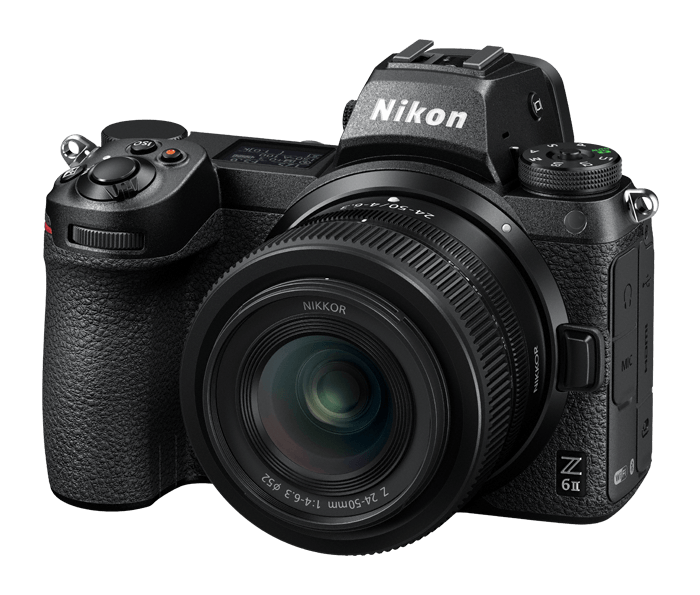
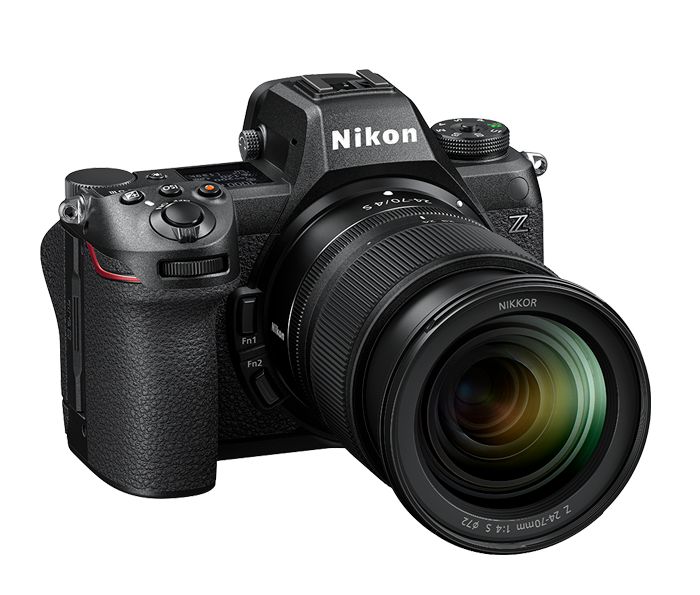
The Nikon Z6 II and Z6III are two prominent full-frame mirrorless cameras from Nikon, catering to a wide range of photography enthusiasts and professionals. Both models share similar foundational characteristics, appealing to those seeking robust performance for various applications, including portraiture, landscapes, and video work. However, the Z6III introduces notable enhancements over its predecessor, making this comparison relevant for potential buyers considering upgrades or first-time investments in the Nikon ecosystem.
Specifications Comparison
Detailed Comparison
Image Quality
Both the Nikon Z6 II and Z6III feature a full-frame sensor of 35.9 x 23.9 mm with 25 megapixels, delivering exceptional image quality across a variety of settings. The Z6 II offers an ISO range that expands up to 204800, which may appeal to low-light photographers. However, the Z6III has a more limited native ISO range of 100-64000, which might seem less versatile at first glance. Nevertheless, both cameras are known for producing detailed images with pleasing dynamic range and color accuracy.
In real-world usage, both cameras showcase excellent noise management at high ISO levels. The differences may become noticeable in extreme conditions or specific styles of shooting where the higher expanded ISO may be advantageous. Factors like exposure settings, shooting conditions, and post-processing will also significantly contribute to the final results in both cameras.
Ultimately, for standard photography needs, many users will find both models equally suitable; hence, in terms of image quality alone, the comparison often results in a tie.
Autofocus System
The autofocus systems of both the Nikon Z6 II and Z6III are robust, featuring 273 focus points that cover a substantial area of the frame. The Z6 II employs excellent Face Detection and Eye AF for accurate focusing, especially in portrait photography. However, the Z6III steps up by introducing enhanced algorithms that improve tracking capabilities, particularly for moving subjects, making it more responsive in dynamic shooting scenarios.
The Z6III's faster maximum frames per second (20 fps) also complements its autofocus system, allowing for more opportunities to capture the decisive moment in action photography. Additionally, the enhancements made in low-light focusing performance offer an advantage to the Z6III, which can be particularly useful during nighttime or concert shoots.
Therefore, considering all aspects of autofocus performance alongside real-world feedback, the Z6III provides a more advanced solution that caters to the needs of serious photographers seeking speed and accuracy.
Video Capabilities
When it comes to video, both cameras support 4K recording, but the Z6III showcases improvements that attract videographers. While the Z6 II caps at 4K 30p, the Z6III maintains superior performance with its maximum frame rate of 20 fps, giving it an edge for those who rely on high-frame-rate shooting.
Moreover, the Z6III benefits from enhanced video features, possibly including better overheating management and additional color profiles tailored for video production, both of which are crucial for filmmakers. This expanding versatility makes it vital for creators looking to maximize their footage's quality and usability in post-production.
For these reasons, the Z6III emerges as the superior choice for videographers and content creators who require greater frame rate capabilities and improved handling of video standards.
Build & Ergonomics
In terms of build quality, both the Z6 II and Z6III are well-constructed with weather sealing, enhancing durability in challenging environments. The Z6III, however, is slightly larger and heavier, weighing in at 760g compared to the Z6 II's 705g. This additional weight may be a factor for photographers who prefer a lightweight kit.
Both models feature electronic viewfinders and LCD screens of similar resolution, although the Z6II's touchscreen is slightly larger at 3.2 inches compared to the 3.1 inches on the Z6III. Ergonomically, both cameras are designed for comfort and ease of use, but the Z6III's layout may incorporate user feedback from the Z6II model to enhance usability.
Overall, while the slight weight difference and touchscreen size may influence some users, both cameras deliver dependable build quality suitable for professional work.
Battery & Storage
Battery life is an important consideration for photographers, and the Z6 II offers slightly better longevity at 410 shots compared to the Z6III's 380 shots. This can be crucial during lengthy shooting sessions or when traveling. Both cameras use similar EN-EL15c batteries, allowing for easy interchangeability between the two models.
When it comes to storage, both models support dual memory cards, which is essential for high-capacity workflows. The Z6 III supports the latest memory card types, which might provide slight speed advantages when dealing with high-resolution files or extended recording sessions.
Thus, although the Z6 II prevails in battery life, the inconsistency in storage capabilities leads to a rather nuanced viewpoint, giving the Z6III additional strengths in terms of performance.
Value for Money
The Nikon Z6 II is currently priced at $1995, making it more accessible, especially for emerging photographers and those on a budget. In contrast, the Z6III, priced at $2500, may justify the higher price tag for users needing the advanced features, enhanced autofocus, and video performance it provides.
Potential buyers must weigh these features against their specific needs. Photographers who primarily shoot stills and require fewer advanced video functions may find the Z6 II offers exceptional value. In contrast, professionals seeking state-of-the-art specifications might feel the investment in the Z6III aligns better with their requirements.
Overall, while the Z6II offers more compelling value for general photographers, those with specialized needs may reasonably see the Z6III as worth the extra investment.
Lens Ecosystem
Both cameras utilize the Nikon Z mount, which means they can share the same extensive lineup of Nikkor Z lenses. Nikon has made significant strides in launching high-quality lenses that take full advantage of the Z mount design, benefiting both the Z6 II and Z6III equally. This shared lens ecosystem ensures that users of either camera have access to a wide range of creative tools.
Additionally, both cameras also support F-mount lenses through the FTZ adapter, adding to their versatility for photographers transitioning from Nikon's DSLR system. As both the Z6 II and Z6III are part of the same family, any advancements in lens offerings will be relevant for both models over time.
Consequently, with regards to lens ecosystem and compatibility, both cameras stand on equal footing, catering to user needs across a variety of photography disciplines.
Our Verdict
Overall, while the Nikon Z6 II excels in value for beginners and offers a slightly better battery life, the Z6III emerges as the winner through its advanced autofocus, superior video capabilities, and incremental improvements tailoring towards a more demanding user base. Pros seeking cutting-edge technology and enhanced performance should opt for the Z6III, whereas amateurs may find the Z6II to be a highly capable and budget-friendly option that meets a majority of their photographic needs.
Nikon Z6 II
Nikon Z6III
Also Compare
Frequently Asked Questions
What are the primary differences in autofocus performance?
The Z6III features improved autofocus algorithms and higher FPS capabilities, making it better suited for tracking moving subjects compared to the Z6 II.
Is the video performance significantly different between the two models?
Yes, while both shoot in 4K, the Z6III offers a higher frame rate and potentially better video features which may appeal to videographers.
Which camera has better low-light performance?
The Z6 II has a higher expanded ISO range, which may benefit low-light shooters, but both cameras perform admirably well in low-light conditions.
Is the Z6III worth the extra cost?
For professionals who need better autofocus and video capabilities, the Z6III is worth the investment. However, the Z6 II offers excellent value for casual users.
Can I use lenses from my old Nikon DSLR with these models?
Yes, both cameras can use F-mount lenses via the FTZ adapter, allowing for compatibility with Nikon's extensive lens lineup.