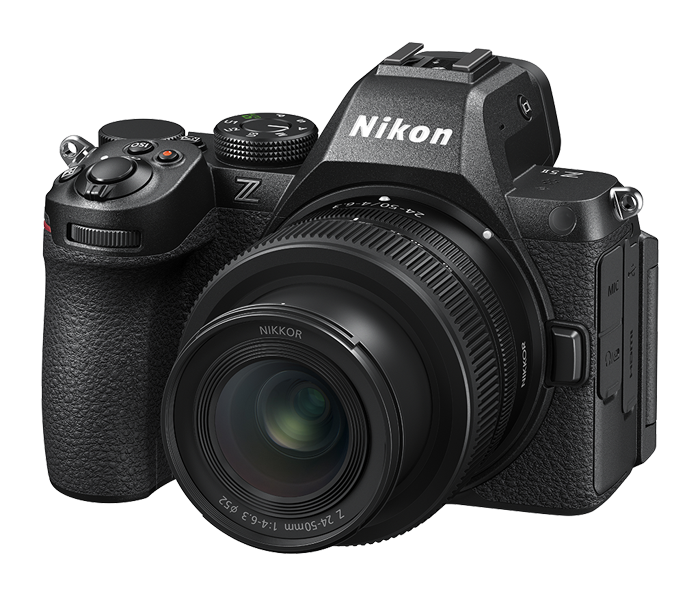
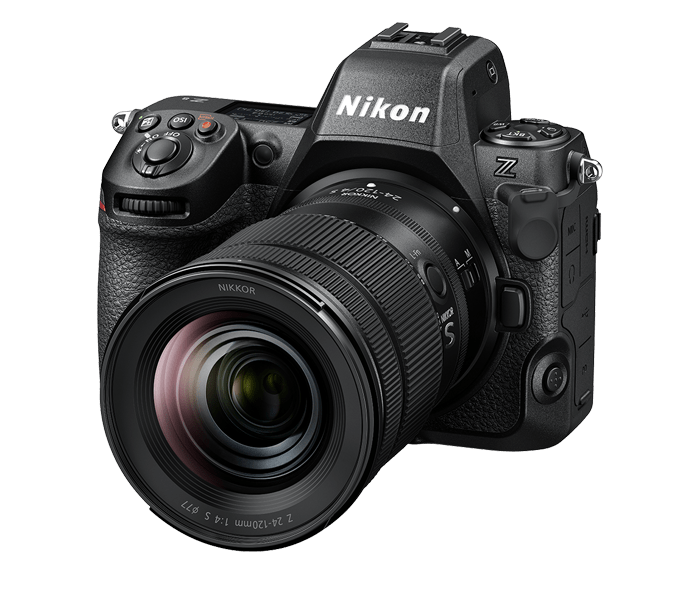
The Nikon Z5II and Nikon Z8 are two standout models in Nikon's mirrorless camera lineup that cater to different segments of the photography market. The Z5II is designed for enthusiasts and serious amateurs who require solid performance in most shooting scenarios and a more accessible price point, while the Z8 targets professionals and advanced users seeking higher resolutions and greater capabilities. Photographers considering these models often look for a balance of image quality, autofocus capabilities, and video specifications, with particular attention to how each camera fits their specific needs.
Specifications Comparison
Detailed Comparison
Image Quality
When it comes to image quality, the Nikon Z8 takes the lead with a 46-megapixel sensor, allowing for exceptionally detailed images, which is particularly beneficial for large prints and detailed cropping. In contrast, the Z5II offers a 24-megapixel sensor, which provides sufficient resolution for most enthusiast applications but lacks the resolution heft of the Z8. Notably, both cameras use a full-frame sensor, ensuring excellent light capture and low-light performance. The Z8's higher pixel count can also contribute to better low-light performance under certain conditions, given that it's paired with effective noise reduction algorithms. However, for everyday shooting and social media, the Z5II's image quality is more than adequate, making it a great option for casual photographers to semi-pros.
Autofocus System
Autofocus performance is critical for both stills and video, and here the Z8 shines with its 493 autofocus points compared to the Z5II's 299 points. The Z8's autofocus system includes advanced subject tracking capabilities and eye-detection features, making it a top choice for wildlife and portrait photographers. The Z5II offers fast and reliable autofocus, but it cannot match the advanced performance of its higher-end sibling. Many professionals will find that the Z8's autofocus is better suited for fast-paced shooting, ensuring that they can capture sharp images even in challenging circumstances. Given these points, the Z8 is more favorable for demanding autofocus scenarios, while the Z5II performs solidly in less demanding situations.
Video Capabilities
For video shooting, the Nikon Z8 again outperforms the Z5II with its ability to record 4K video at up to 120 frames per second compared to the Z5II's 4K 60p. This makes the Z8 an excellent choice for videographers looking to achieve smooth slow-motion footage. Additionally, the Z8 can handle more advanced video features, including recording in higher-quality formats and offering better color profiles for post-production work. The Z5II, while capable, is more suited for general video use, making it great for vlogging or casual projects. For those required to produce high-quality video content, the Z8 is undoubtedly the better option, offering more versatility and higher performance.
Build & Ergonomics
Both the Z5II and Z8 are built with weather sealing and robust construction, catering to outdoor and professional use. However, the Z8 is slightly heavier, weighing 910g versus the Z5II's 700g. The dimensions of the Z8 also make it a bulkier option, which could be a concern for those valuing portability. That said, the Z8's larger form factor can lend itself to better grip and stability, particularly with larger lenses. Both cameras share a similar electronic viewfinder and a high-resolution screen, allowing for a great shooting experience. Ultimately, which camera is more ergonomic may come down to personal preference, with some users favoring the lighter Z5II for travel and others opting for the Z8's additional grip.
Battery & Storage
Regarding battery life, the Z8 offers a marginal advantage with 340 shots per charge compared to 330 shots for the Z5II. Both models use the Nikon Z mount, providing compatible storage options in terms of memory cards. However, videographers and photographers who require extended shooting sessions may consider investing in additional batteries for either system due to the energy demands of high-resolution image capture, especially in the Z8. The Z5II's lesser demands can be beneficial for casual users who may not need extensive battery backup. For those filming or shooting extensively, it's important to factor in the potential need for extras regardless of the camera choice.
Value for Money
The price difference between the two cameras is significant, with the Z5II priced at $1699 and the Z8 at $3999. The Z5II offers impressive performance for its price, making it an attractive choice for enthusiasts or those on a budget who want a solid full-frame experience. In contrast, the Z8, while more expensive, caters to those willing to invest more for cutting-edge technology and top-tier performance. For buyers who prioritize high resolution, advanced autofocus, and robust video capabilities, the Z8 may justify its higher price tag. Meanwhile, the Z5II brings excellent value for those who want quality without breaking the bank.
Our Verdict
Overall, the Nikon Z8 surpasses the Z5II in most categories, particularly in terms of image resolution, autofocus capabilities, and video performance. This makes it a superior choice for professionals and advanced users who seek the best performance possible for both photography and videography. However, for those who are more budget-conscious and require a capable full-frame camera without the complexities of advanced features, the Z5II remains an outstanding option. Ultimately, the best choice depends on your specific needs-whether you prioritize advanced features and resolution or value and ease of use.
Nikon Z5II
Nikon Z8
Also Compare
Frequently Asked Questions
Is the Z8 worth the higher price over the Z5II?
If you're a professional photographer or videographer needing top performance, then yes, the Z8 is worth the extra investment due to its higher resolution, faster autofocus, and superior video capabilities.
Can the Z5II handle low-light photography as well as the Z8?
While both cameras perform well in low-light conditions, the Z8's higher megapixel count and advanced noise reduction make it slightly better for low-light photography.
Are both cameras weather-sealed?
Yes, both the Z5II and Z8 come with weather sealing, making them suitable for outdoor shooting in various conditions.
How do the video features compare?
The Z8 supports 4K video at up to 120fps, while the Z5II is limited to 4K at 60fps, making the Z8 the better choice for videographers.
What type of user is best suited for the Z5II?
The Z5II is ideal for enthusiasts and serious amateurs looking for excellent full-frame performance without the advanced features or higher cost associated with the Z8.