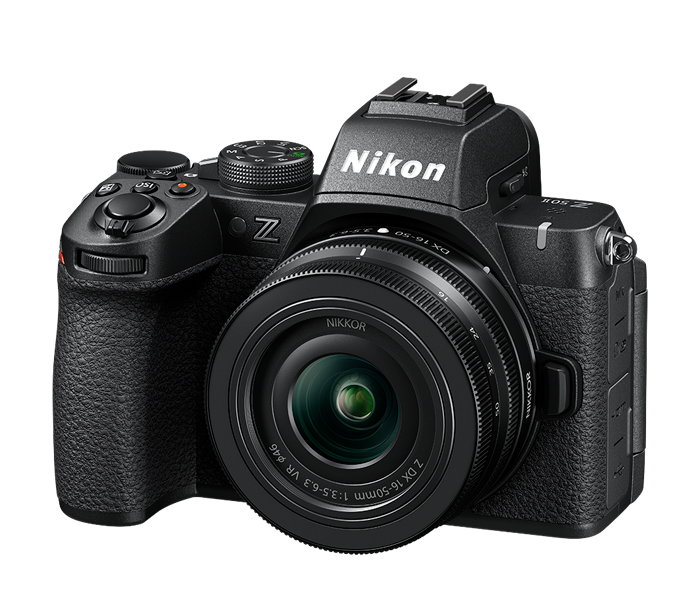
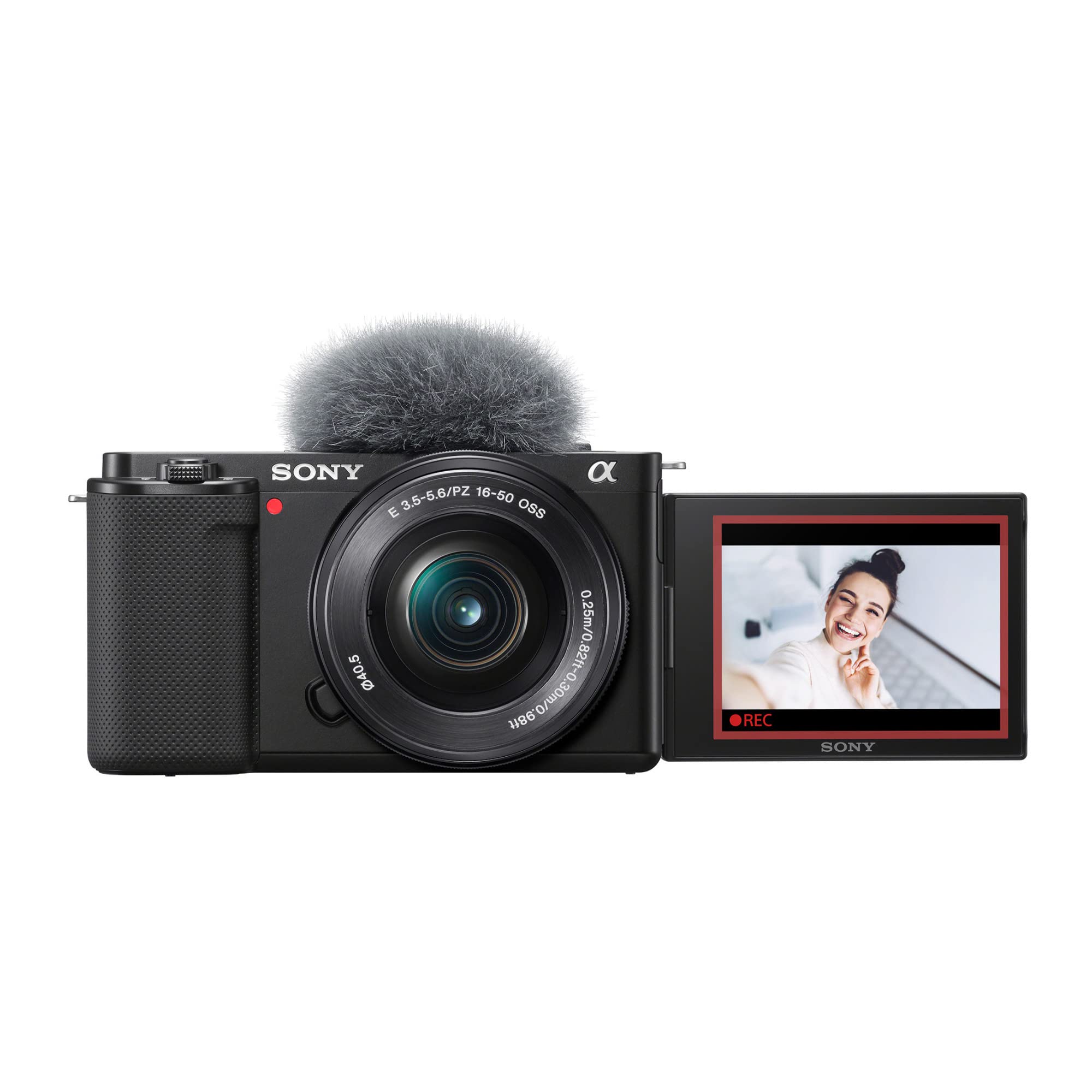
The Nikon Z50II and the Sony ZV-E10 are two popular mirrorless cameras that cater to different photography and videography needs, making them frequently compared by consumers. The Z50II is targeted towards enthusiasts who appreciate a robust photographic tool with strong image quality and solid build, while the ZV-E10 is designed for content creators seeking a lightweight and versatile camera with excellent video capabilities. With advances in mirrorless technology, both options present compelling features, making the decision difficult for buyers trying to determine which camera best fits their style and requirements.
Specifications Comparison
Detailed Comparison
Image Quality
The Nikon Z50II features a 21-megapixel APS-C sensor, while the Sony ZV-E10 boasts a slightly higher 24-megapixel APS-C sensor. While both cameras use a similar-sized sensor, the increased pixel count in the ZV-E10 might provide marginally better detail in certain scenarios. The ISO performance of the Z50II, with an extended range up to 204800, offers an advantage for low-light conditions. However, the ZV-E10 also performs well in low-light, with its extended ISO reaching up to 51200. In terms of dynamic range and color reproduction, both cameras hold up well but the Nikon legacy in standard imaging might provide a slight edge. Ultimately, the differences in real-world image quality are subtle, and both models deliver excellent performance.
Overall, for pure image quality, particularly in low-light environments, the Z50II has a bit of an edge with its higher maximum ISO, though the ZV-E10 is no slouch. It appears to be a close contest, but the technical specs push it toward Nikon for superior maximum ISO performance.
Autofocus System
When it comes to autofocus, the Sony ZV-E10 shines with 425 autofocus points, offering a broader area coverage and faster acquisition in quick scenarios. This system is particularly good for moving subjects, making it an excellent choice for videographers who need reliable autofocus during shoots. The Nikon Z50II features 231 autofocus points, which, while fewer, still provides reliable performance for most photography needs. Both systems utilize phase-detection technology, although the ZV-E10's greater point density enhances its ability to focus swiftly and accurately in dynamic settings.
Additionally, the face-detection autofocus in the ZV-E10 is optimized for vlogging and portraiture, ensuring that subjects remain in focus even as they move. The Z50II, while competent, lacks some of these advanced tracking features, making it less favorable for content creators who prioritize capturing video in motion. Given the requirements of autofocus performance in both photography and videography, the ZV-E10 decisively takes the lead here.
Video Capabilities
The Sony ZV-E10 is specifically designed for video content creators, emphasizing ease of use with features like the ability to shoot 1080p video at 24 fps. It offers a variety of video-centric functionalities like smooth background defocus and product showcase settings, catering to vloggers. The Nikon Z50II, while capable of delivering good video quality, does not specifically highlight advanced video features, as its primary focus is on still photography. However, both cameras offer 4K video recording options, making them viable for videographers.
The ZV-E10's user-friendly design for video, coupled with its superior autofocusing capabilities, makes it the excellent choice for this aspect. For dedicated video work, the ZV-E10 is built with features that significantly enhance usability and performance, leaving the Z50II behind in this sector.
Build & Ergonomics
The Nikon Z50II sports a robust build with weather-sealing, providing durability for outdoor users or in challenging environments. This rugged construction can be a significant advantage for photographers who shoot in diverse conditions. On the other hand, the Sony ZV-E10 is lighter and smaller, making it highly portable and convenient for on-the-go content creation. However, its lack of weather-sealing could be a turn-off for those who plan on using it in harsher conditions.
Both cameras feature a comfortable grip, but the Z50II's larger size and build quality may appeal to those seeking a more traditional feel in their photography experience. Balancing portability against ruggedness emerges as the key distinguishing factor, highlighting that users' preferences may direct them toward one model over the other.
Battery & Storage
Battery life can often be a decisive factor for photographers and videographers alike. The Sony ZV-E10 notably has a longer battery life, capable of approximately 440 shots per charge, thanks to its efficient energy management systems. In contrast, the Nikon Z50II, with a battery life of only 250 shots, may necessitate more frequent battery changes during extensive shoots.
In terms of storage, both cameras utilize SD cards, but the ZV-E10's battery performance allows for extended shooting sessions, making it more user-friendly for long recording periods. This critical evaluation points toward the ZV-E10 for those focused on prolonged video recordings or outdoor sessions without the worry of rapidly depleting battery power.
Value for Money
The Sony ZV-E10 is priced around $700, appealing to videographers and content creators looking for an affordable, yet powerful option tailored to their needs. Its features support this price point effectively, especially with the dynamic autofocus and video-centric functionalities. The Nikon Z50II, while not officially priced here, is expected to be more expensive due to its build quality and feature set, targeting enthusiasts who prioritize still photography and ruggedness over compactness.
While both offer good value within their respective niches, the ZV-E10 offers greater versatility for those focused on content creation without breaking the bank. However, the robust build and image quality of the Z50II justify its potential higher price for users heavily inclined toward photography. In this capacity, the ZV-E10 appears to provide a better overall value for those in search of a dedicated video shooter.
Lens Ecosystem
The Nikon Z50II utilizes the Nikon Z mount, which currently has a growing selection of native lenses particularly suited for amateur to professional photographers. While the options are not as extensive as Sony's lineup, they provide high-quality choices particularly in the realm of primes and zooms for APS-C users. On the other hand, the Sony ZV-E10, with its Sony E mount, benefits from an expansive inventory of lenses, which are compatible across both full-frame and APS-C systems. This extensive ecosystem offers significant flexibility in lens choices for various photography and videography needs.
For those highly focused on expanding their toolkit with various lenses, the ZV-E10 offers broader choices that can amplify its already potent capabilities. Users looking for a versatile lens ecosystem with more options will find the ZV-E10 significantly advantageous. Thus, in this aspect, the wider selection of the Sony mount grants it the edge over Nikon's offerings at this time.
Our Verdict
Ultimately, while the Nikon Z50II offers advantages in terms of image quality and build durability, the Sony ZV-E10 edges out in overall versatility, particularly for video work and autofocus performance. The ZV-E10 excels in lightweight design, longer battery life, and a wider range of compatible lenses, making it ideal for vloggers and content creators. Buyers focused primarily on photography may lean towards the Z50II for its sturdiness and superior low-light performance, but for creative flexibility and attractive features centralized around videography, the ZV-E10 reigns as the more valuable option.
Nikon Z50II
Sony ZV-E10
Also Compare
Frequently Asked Questions
Which camera is better for vlogging?
The Sony ZV-E10 is specifically designed for vlogging, offering features such as superior autofocus, a lightweight build, and customizable video settings that emphasize ease of use for content creators.
How do the image quality and low-light performance compare?
While both cameras produce high-quality images, the Nikon Z50II has a slight edge in low-light scenarios due to its higher maximum ISO range, making it more suited for night photography.
What are the key differences in autofocus capabilities?
The Sony ZV-E10 has a more advanced autofocus system with 425 points, compared to Nikon's 231 points, allowing for faster and more accurate focusing, particularly useful for moving subjects in video.
Is one camera more robust than the other?
Yes, the Nikon Z50II is weather-sealed and has a solid build, making it a better option for outdoor photography in varying conditions, while the ZV-E10 is more lightweight but lacks weather resistance.
What about lens options?
The Sony ZV-E10 benefits from a wider selection of lenses due to the Sony E mount compatibility with both full-frame and APS-C lenses, offering greater flexibility for various types of shooting.