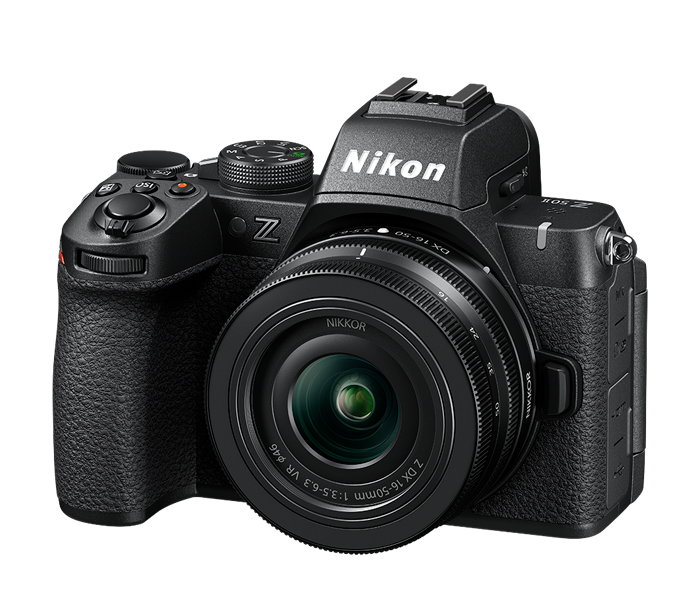
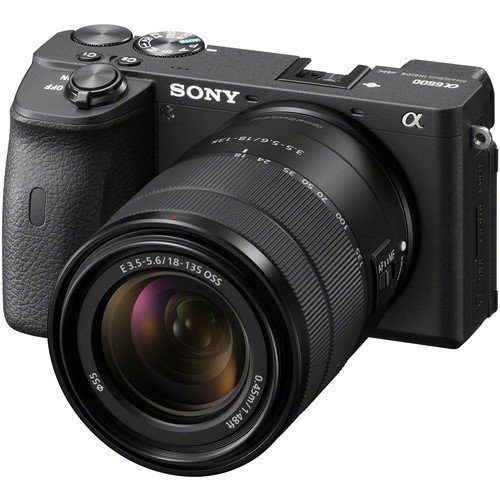
The Nikon Z50II and the Sony A6600 are two popular mirrorless cameras aimed at photography enthusiasts and vloggers. Both models feature APS-C sensors, making them suitable for a variety of photography genres, from portraits to landscapes. Buyers may find themselves choosing between these two cameras based on their individual needs, such as shooting styles and features that cater to their specific interests. While both cameras provide excellent image quality and video performance, they differ notably in features like autofocus systems, video capabilities, and build ergonomics.
Specifications Comparison
Detailed Comparison
Image Quality
The Nikon Z50II features a 21-megapixel APS-C sensor that offers good resolution for most photography needs, with an ISO range that expands to 204800, allowing for impressive low-light shooting capabilities. This sensor delivers accurate color reproduction and retains detail in highlights and shadows, thanks to its balanced dynamic range. The slightly lower megapixel count vs. the Sony may not be a significant drawback for many users, especially given the overall quality of the JPEGs produced by Nikon's processing engines.
On the other hand, the Sony A6600 boasts a 24-megapixel APS-C sensor that provides a bit more resolution, which can be beneficial for cropping or large prints. With an ISO range expanding to 102400, the A6600 also shows strong performance in low-light conditions, though some users have noted that high ISO images may have slightly more noise than equivalent images from the Nikon when pushed to extreme settings.
In real-world usage, both cameras provide excellent image quality for their class, but the differences in size and mechanical characteristics of the sensors may influence the final output. Ultimately, both can deliver professional-quality work, although the edge in resolution could favor the A6600 for users prioritizing that aspect.
Autofocus System
The autofocus performance of a camera can heavily influence the shooting experience, especially in dynamic environments. The Nikon Z50II has 231 autofocus points, which enable rapid subject detection and tracking. However, while it covers a decent area of the frame, it may not be as sophisticated in terms of subject recognition as Sony's systems.
In contrast, the Sony A6600 includes a superior 425-point autofocus system with Real-Time Eye Autofocus technology, which excels in quickly locking onto moving subjects-particularly beneficial for portrait photographers and wildlife enthusiasts. This widespread coverage and advanced tracking make it easier to capture sharp images, especially in fast-paced situations.
In summary, while both cameras provide good autofocus capabilities, the Sony A6600 delivers a more advanced and refined autofocus system that gives it the edge in challenging shooting conditions, making it a more favorable choice for action-oriented photographers.
Video Capabilities
Video capabilities are crucial for hybrid shooters, and the Nikon Z50II supports 4K video recording but does not provide additional frame rate options beyond 30p. This might appeal to those focusing on simple video work but can limit creativity and flexibility in post.
On the other hand, the Sony A6600 shines in this regard, providing 4K video up to 30p with advanced features including S-Log and HDR for those looking to capture high-quality video for YouTube or cinema. Additionally, its built-in sensor-shift stabilization helps in achieving smooth handheld video recordings-a significant advantage for videographers who often shoot without a tripod.
Overall, for users heavily invested in video production, the Sony A6600 offers a more robust and versatile solution compared to the Nikon Z50II, granting it a favorable position for hybrid content creators.
Build & Ergonomics
The Nikon Z50II is designed with user comfort in mind, featuring a slightly larger grip that can be more accommodating for extended shooting sessions. Its dimensions measure 127 x 97 x 67 mm, and at 550 grams, it strikes a balance between robustness and portability. The fully weather-sealed body is ideal for outdoor shooting, ensuring durability against the elements.
In contrast, the Sony A6600 is slightly smaller and lighter at 120 x 67 x 69 mm and weighing 503 grams. The compact design of the A6600, combined with its good overall ergonomics, makes it highly portable. However, the grip may feel less substantial for some users. Both models feature electronic viewfinders that are bright and clear, providing effective representations of the scenes being captured.
While both cameras are well-built and weather-sealed, those looking for a more substantial grip might favor the ergonomics of the Nikon Z50II, while those who prioritize compactness may prefer the A6600. The construction quality of both models suggests they are built to last.
Battery & Storage
Battery life is essential for photographers who spend extended periods away from charging opportunities. The Nikon Z50II features a battery life of approximately 250 shots, which is on the lower side compared to many contemporary models in its class. This could be limiting for users who shoot extensively or in a setting with less access to spare batteries.
Conversely, the Sony A6600 excels here with a remarkable battery life of around 810 shots, extending the usability of the camera significantly. This is a benefit for event photographers or travelers who may find themselves in situations where recharging isn't feasible. Both cameras utilize SD card storage, with no significant advantage in terms of write speeds or capacity, as both support UHS-I cards.
In terms of battery life, the A6600 clearly outmatches the Z50II, making it the better choice for those who need long-lasting performance without the need for frequent battery swaps.
Value for Money
Price points play a significant role in the decision between the Nikon Z50II and the Sony A6600. Although the Nikon Z50II is positioned around a more affordable price point, it does offer excellent value for photography enthusiasts looking to capture high-quality images without diving deep into video capabilities. The fact that it features a weather-sealed body and respectable image quality for a lower price can make it appealing to a wider audience.
The Sony A6600, priced at approximately $1400, may feel like a more significant investment, but the additional autofocus capabilities, superior battery life, and video features justify its price for serious videographers and hybrid shooters. The advanced features and overall performance provide a compelling argument that may attract those who require versatility in their craft.
Ultimately, for casual photographers or those primarily interested in still photography, the Z50II may hold more perceived value. However, for users whose work spans both photography and video, the investment in the A6600 is likely justified.
Lens Ecosystem
Both Nikon and Sony have developed an array of lenses for their respective mounts, but there are differences in the breadth and depth of offerings. The Nikon Z mount has a growing lineup, with several excellent prime and zoom lenses that leverage the full potential of the Z system, making it an attractive option for users who want to invest in the latest optics.
Sony, meanwhile, has a well-established E-mount ecosystem with a far broader selection of both native lenses and third-party options. This makes it easy for users to customize their setups based on specific needs, whether for video, portrait, or wildlife photography. The flexibility afforded by Sony's extensive lens lineup can be a significant advantage for those starting their photography journey.
Consequently, while Nikon is investing heavily in expanding its lens lineup, the existing diversity and availability of lenses for the Sony A6600 provide a more immediate advantage for users who may need various lenses for different scenarios.
Our Verdict
Overall, the Sony A6600 comes out on top due to its superior autofocus system, longer battery life, and advanced video capabilities, making it particularly suitable for hybrid shooters and videographers. While the Nikon Z50II offers solid performance, especially for still photography at a more affordable price, it may fall short for those who need the advanced capabilities provided by the A6600. Users primarily focused on photography may still consider the Z50II for its ergonomics and cost-effectiveness, but the Sony A6600 is the more versatile choice for a broad range of shooting needs.
Nikon Z50II
Sony A6600
Also Compare
Frequently Asked Questions
Which camera is better for video?
The Sony A6600 is better for video due to its ability to shoot 4K 30p, advanced features like S-Log, and in-body stabilization.
Can the Nikon Z50II perform well in low light?
Yes, the Nikon Z50II has an ISO range that expands to 204800, providing good low-light performance, though the A6600 has a slight advantage in dynamic range and noise control.
Is the Nikon Z50II more affordable?
Yes, the Nikon Z50II is typically priced lower than the Sony A6600, making it a more budget-friendly option for those focused primarily on still photography.
What are the advantages of each camera's autofocus system?
The Nikon Z50II has 231 autofocus points, suitable for most scenarios, while the A6600 has 425 points with advanced subject tracking capabilities, making it better for fast-moving subjects.
How does the lens selection compare?
Sony's E-mount offers a much broader selection of lenses, including third-party options, while Nikon's Z-mount is still expanding but has quality optics.