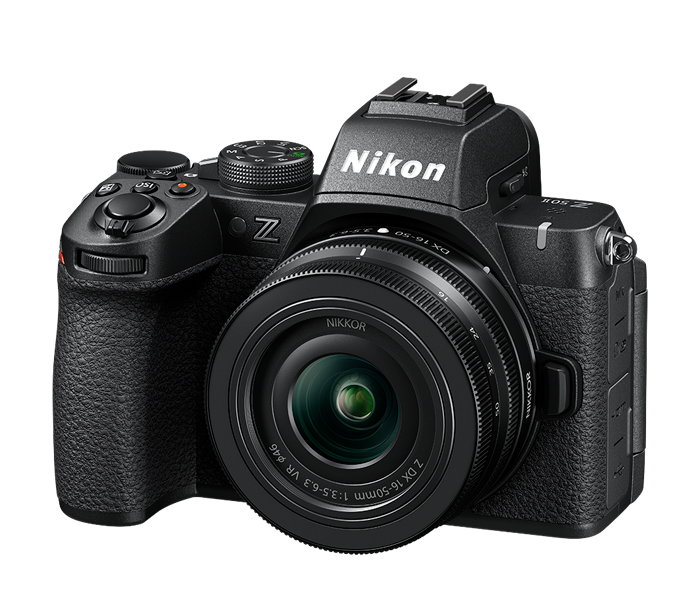
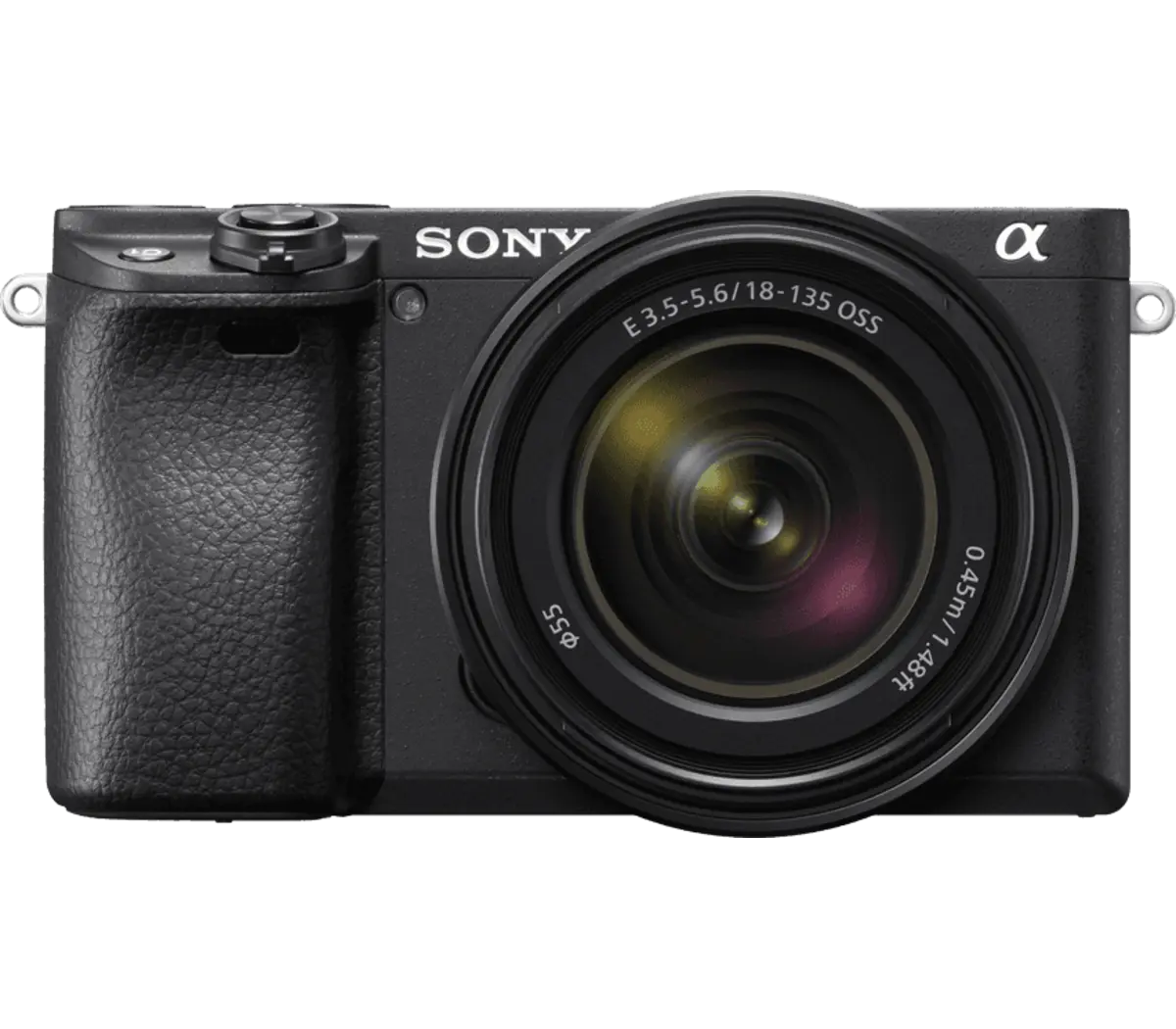
The Nikon Z50II and Sony A6400 are two popular choices among enthusiasts and semi-professional photographers looking for a compact mirrorless camera. Both models feature APS-C sensors, making them ideal for those wanting a balance of quality and portability. Buyers often choose between these models based on specific needs such as image quality, autofocus performance, and overall user experience. Understanding key specifications and differences will help potential buyers make an informed choice.
Specifications Comparison
Detailed Comparison
Image Quality
When it comes to image quality, both the Nikon Z50II and Sony A6400 utilize APS-C sensors, but with slight differences in megapixel count: the Nikon Z50II offers 21 megapixels while the A6400 provides 24 megapixels. In real-world scenarios, the additional pixels on the A6400 can translate into finer details in images, particularly in larger prints. However, the differences are subtle, and both cameras can produce high-quality images with excellent dynamic range and color accuracy. The Nikon Z50II's image sensor has a slightly higher ISO range of 100-51200 (expandable to 204800) compared to the A6400's 100-32000 (expandable to 102800), which can benefit low-light photography by offering greater flexibility in extremely dim conditions. Yet, the overall high ISO performance is generally comparable, meaning users may not notice a stark difference in practical use. Overall, both cameras excel in image quality, but the A6400 edges out slightly due to its higher resolution.
Autofocus System
The autofocus system is where the Sony A6400 truly shines, featuring 425 phase-detection autofocus points compared to the Nikon Z50II's 231 points. This expanded focus coverage allows the A6400 to lock onto subjects more quickly and accurately, especially during fast action sequences. Both cameras offer fast continuous shooting at 11 frames per second, but the A6400's superior autofocus can give it an advantage in sports or wildlife photography. Moreover, the A6400 is equipped with real-time Eye Autofocus, which adds another layer of precision for portrait and wildlife photography. While Nikon's autofocus has improved with their latest models, at this point, the A6400 remains the more capable option in varied conditions.
Video Capabilities
From a video perspective, the Sony A6400 stands out with its 4K video recording capability at 30p, supporting high-quality video production. Though the Nikon Z50II is newly released, it lacks explicit video specs in the provided data, making it difficult to compare directly. Given the Sony's reputation for robust video features, including advanced autofocus in video mode and excellent video quality overall, it is recognized as a strong choice for videographers. In contrast, the Z50II may be positioned for still photography enthusiasts first, with video features being secondary. Therefore, for users who prioritize video, the A6400 provides a clear advantage.
Build & Ergonomics
Both the Nikon Z50II and Sony A6400 possess sturdy builds with weather sealing, making them resilient for outdoor shooting. However, the overall design and ergonomics differ. The Z50II is a bit bulkier, weighing 550 grams compared to the A6400's lighter 403 grams. The dimensions also reflect this; the Z50II measures at 127 x 97 x 67 mm, while the more compact A6400 is at 120 x 67 x 60 mm. Some users may prefer the heftier feel of the Z50II for stability, while others might choose the lightweight design of the A6400 for portability. Both cameras feature an electronic viewfinder and tilting screens, offering flexibility for shooting at different angles, yet the A6400's screen can face upwards for vlogging, making it more versatile for multimedia creators.
Battery & Storage
Battery life is another critical factor where the Sony A6400 excels significantly. It has a battery life rated for around 410 shots, considerably better than the Nikon Z50II's 250 shots. This makes the A6400 more suitable for long shooting sessions without needing to replace or recharge batteries frequently. Both cameras accept SD cards for storage, but it's worth noting that the A6400 also supports UHS-II cards, which provides faster write speeds beneficial for burst shooting and high-resolution video recording. This is particularly important for users who capture fast action or need to offload images and clips quickly. Therefore, in terms of battery performance and storage capabilities, the A6400 has a clear advantage.
Value for Money
In assessing value for money, the Sony A6400, priced at approximately $900, presents a strong proposition considering its feature set, particularly for those focused on video and fast autofocus. The Nikon Z50II, being a newer model, might carry a relative premium that needs to be justified by its advantages in ergonomics or build quality. However, for those who prioritize still photography, the differences may not warrant the price difference. Depending on the specific needs of the user, such as preference for lens ecosystems and brand loyalty, either camera could be seen as a better value. Ultimately, the A6400 appears to offer more features for the cost, making it harder to overlook.
Lens Ecosystem
Both Nikon and Sony have made substantial investments in their lens ecosystems, but the Sony E-mount system has matured significantly over the years, providing a wider selection of native lenses, particularly for varied shooting styles. The A6400 benefits from this, giving users a plethora of choices for wide-angle, telephoto, and specialized lenses. With the Nikon Z series still gaining traction, the Z50II may not have as extensive a selection right now, though it does benefit from full-frame lens compatibility with a mount adapter. For users looking to invest in lenses over time, Sony's more established lens ecosystem makes the A6400 a more appealing choice generally, especially for professional use.
Our Verdict
Overall, the Sony A6400 emerges as the clear winner due to its superior autofocus, video capabilities, battery life, and value for money. While the Nikon Z50II offers robust built quality and a unique feel, it falls short in direct performance comparison across most categories. For users keen on high-resolution images and versatile video shooting, the A6400 is a compelling option. Conversely, photographers who prefer a slightly more traditional feel or are regularly using Nikon's Z mount lenses may find the Z50II still suitable for their needs.
Nikon Z50II
Sony A6400
Also Compare
Frequently Asked Questions
Which camera is better for beginners?
Both cameras are user-friendly, but the Nikon Z50II may appeal more to beginners with its ergonomic design and intuitive controls, whereas the Sony A6400 suits users interested in advanced features right out of the box.
Can I use Canon lenses with these cameras?
You can use Canon lenses with an adapter for both models, but performance may vary. Overall, investing in native lenses is recommended for optimal results.
Which camera is better for travel photography?
The Sony A6400 is generally preferred due to its lighter weight, better battery life, and compact design, making it ideal for travel.
Is the Nikon Z50II worth the price?
If you prioritize build quality and are invested in the Nikon ecosystem, the Z50II may offer adequate value. However, the A6400 typically offers more features at a comparable or lower price.
How does low-light performance compare?
Both cameras perform decently in low light, but the Z50II's higher ISO range can give it a slight edge, although actual performance will be similar in many scenarios.