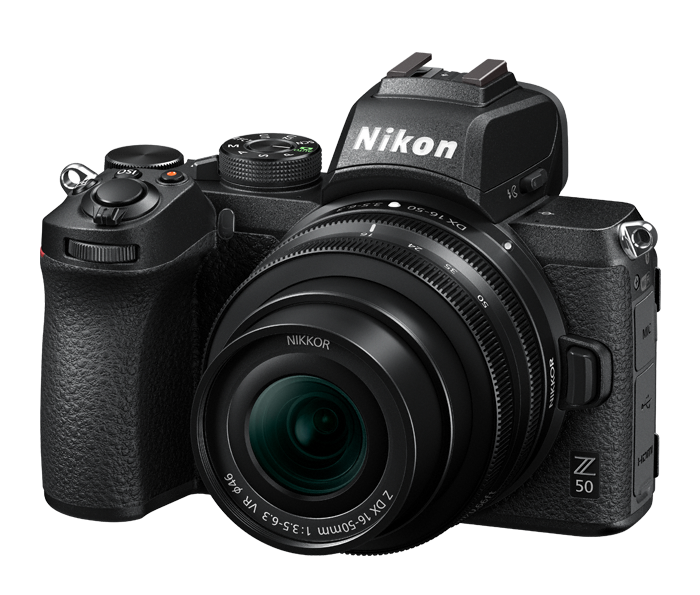
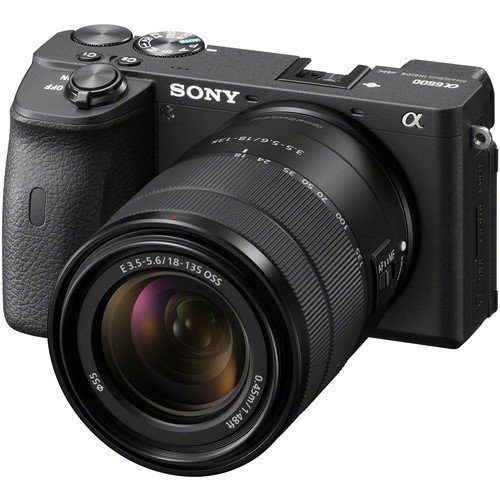
The Nikon Z50 and Sony A6600 are two highly regarded APS-C mirrorless cameras that often find themselves in direct competition. Both cameras cater to enthusiasts and advanced photographers, offering features that appeal to varying needs such as travel, portraiture, and video recording. While both are released in 2019 and share the same price range, they possess distinctive attributes that can make choosing one over the other challenging. Key differentiators include image quality, autofocus system, video capabilities, and build quality, all of which play crucial roles in maximizing the user experience.
Specifications Comparison
Detailed Comparison
Image Quality
When it comes to image quality, both the Nikon Z50 and Sony A6600 utilize APS-C sensors, but they differ slightly in megapixel count. The Z50 offers 21 megapixels, while the A6600 provides 24 megapixels, potentially allowing for finer detail in the latter. Although the Z50's pixel count may be lower, it still produces excellent images with pleasing color rendition and detail, particularly at lower ISO settings.
In terms of low-light performance, both cameras perform well, but the A6600 has a broader native ISO range, extending to 32,000 compared to the Z50's 51,200. However, the Z50 can expand its ISO range to 204,800, which is helpful in certain extreme scenarios. Ultimately, both deliver very high-quality images, but the A6600's 24MP sensor gives it a slight advantage, especially in high-resolution demands.
Overall, while the Z50 is capable of producing beautiful images suitable for both prints and online use, the additional resolution and low-light capabilities of the A6600 may attract those who prioritize these aspects in their photography.
Autofocus System
The autofocus systems in both cameras are impressive, but the Sony A6600 shines with a total of 425 autofocus points, providing extensive coverage and accuracy. This advantage is particularly beneficial for tracking moving subjects, making it preferable for action photography and fast-paced environments.
The Nikon Z50, on the other hand, features 209 autofocus points. While this is sufficient for most situations, it may not perform as well as the A6600 when it comes to rapid changes in subject distance. Both systems offer face and eye detection, but the A6600's autofocus system is regarded as one of the best in the mirrorless segment, highlighted by its superior tracking capabilities.
Conclusively, if autofocus performance is a primary concern, especially for sports or wildlife photography, the Sony A6600 clearly holds the edge.
Video Capabilities
Both cameras are capable of recording in 4K resolution at 30 frames per second, which is a standard for modern videography. However, the Sony A6600 includes features such as S-Log3 and HLG (Hybrid Log-Gamma) for advanced color grading, making it more versatile for videographers wanting to push their footage in post-production. This is vital for filmmakers looking for higher dynamic range and more control over color.
The Z50, while it does have solid 4K video capabilities, lacks the in-depth video features found in the A6600, which may limit enthusiasts looking to explore professional video techniques. Notably, neither camera features extensive internal video stabilization, which may affect handheld shots.
In conclusion, for users focused on video production, the A6600's advanced features make it the better option for serious videographers.
Build & Ergonomics
When considering build and ergonomics, both cameras boast weather-sealing, making them appropriate for outdoor use. The Nikon Z50 is slightly larger and heavier, weighing 450g compared to the A6600's 503g. However, its dimensions give it a more substantial feel in hand, which some users may prefer.
The A6600 has a smaller footprint and may appeal to those looking for a compact solution without sacrificing too much control. Both cameras feature electronic viewfinders, but the Z50 has a slightly larger screen at 3.2 inches compared to the A6600's 3 inches, with a marginally higher dot count as well.
Considering ergonomics, personal preference will play a strong role; however, in versatile handling, the A6600's body design and button layout may cater better to users looking for a portable system without compromising functionality.
Battery & Storage
Battery life often plays a critical role in the usability of a camera, especially for long shoots. The Nikon Z50 offers a battery life of approximately 320 shots, which can be limiting for extended sessions without frequent charging or swapping of batteries. In contrast, the Sony A6600 excels in this aspect with approximately 810 shots per charge, making it a preferred option for users on long outings or events.
Both cameras utilize SD card slots, but the A6600 supports UHS-II cards, allowing for faster write speeds, which can be essential for prolonged burst shooting in large RAW files. The Z50 does not support UHS-II cards, which could be a limiting factor for high-speed photography.
In summary, the Sony A6600 wins in this category with its superior battery life and storage capabilities, making it better suited for extended use.
Value for Money
Looking at their price points, the Nikon Z50 is positioned at around $859, making it an attractive option for those seeking quality in a more budget-friendly package. It offers an impressive set of features for the price, targeting enthusiasts who want a solid performer without breaking the bank.
On the other hand, the Sony A6600 is priced at approximately $1400, reflecting its advanced features and capabilities, especially in autofocus performance and battery life. For professionals or serious amateurs who require those enhanced features, the investment may be justified.
Ultimately, if value is assessed purely on features relative to price, the Nikon Z50 stands out as a more economical choice. However, for users who can leverage the A6600's advanced tech, it may provide greater long-term value despite the higher price.
Lens Ecosystem
Both Nikon and Sony have robust lens ecosystems, but there are differences worth noting. The Sony E-mount lens system benefits from a wider range of lenses available, including many third-party options from brands like Sigma and Tamron, which can significantly increase versatility and options for photographers.
In contrast, Nikon's Z-mount system is newer and growing rapidly, but it does not yet match the extensive selection available for Sony. While Nikon offers a solid range of lenses tailored to users of the Z50, it may not host as many specialized options as Sony. This could affect photographers who have specific lens needs.
Therefore, for photographers who prioritize lens availability and variety, particularly in professional settings, the Sony A6600 has the advantage regarding the wider selection of compatible lenses.
Our Verdict
Overall, the Sony A6600 emerges as the winner in this comparison, primarily due to its superior autofocus system, video capabilities, and battery life. While the Nikon Z50 offers a compelling package at a more accessible price and is better for users prioritizing value for money, the A6600's benefits make it the go-to choice for serious photographers and videographers. It is ideal for those who need high performance, extensive lens options, and can justify the greater investment for long-term usage.
Nikon Z50
Sony A6600
Also Compare
Frequently Asked Questions
Which camera is better for beginners?
The Nikon Z50 is often recommended for beginners due to its user-friendly interface, lighter weight, and lower price point, making it accessible for those new to photography.
Is the Sony A6600 worth the extra cost?
If you require advanced autofocus, better battery life, and superior video features, the extra cost of the Sony A6600 can be justified, especially for serious photographing or videography.
How do the video features compare?
The Sony A6600 offers more advanced video features, including S-Log and better stabilization. The Nikon Z50 is capable of 4K video but lacks the extensive videography tools found in the A6600.
Can I use Nikon F mount lenses on the Z50?
Yes, with the appropriate adapter, Nikon F mount lenses can be used on the Z50, broadening the options for Nikon users already invested in glass.
Do both cameras have weather sealing?
Yes, both the Nikon Z50 and Sony A6600 are weather-sealed, making them suitable for outdoor photography in various conditions.