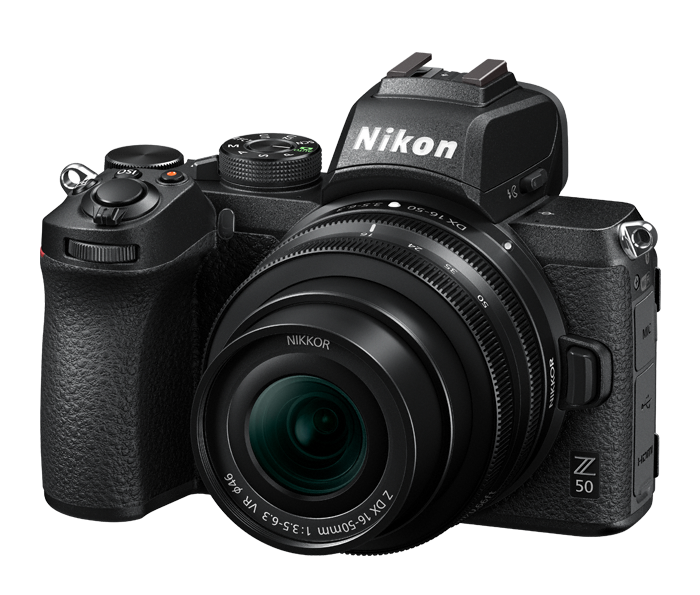
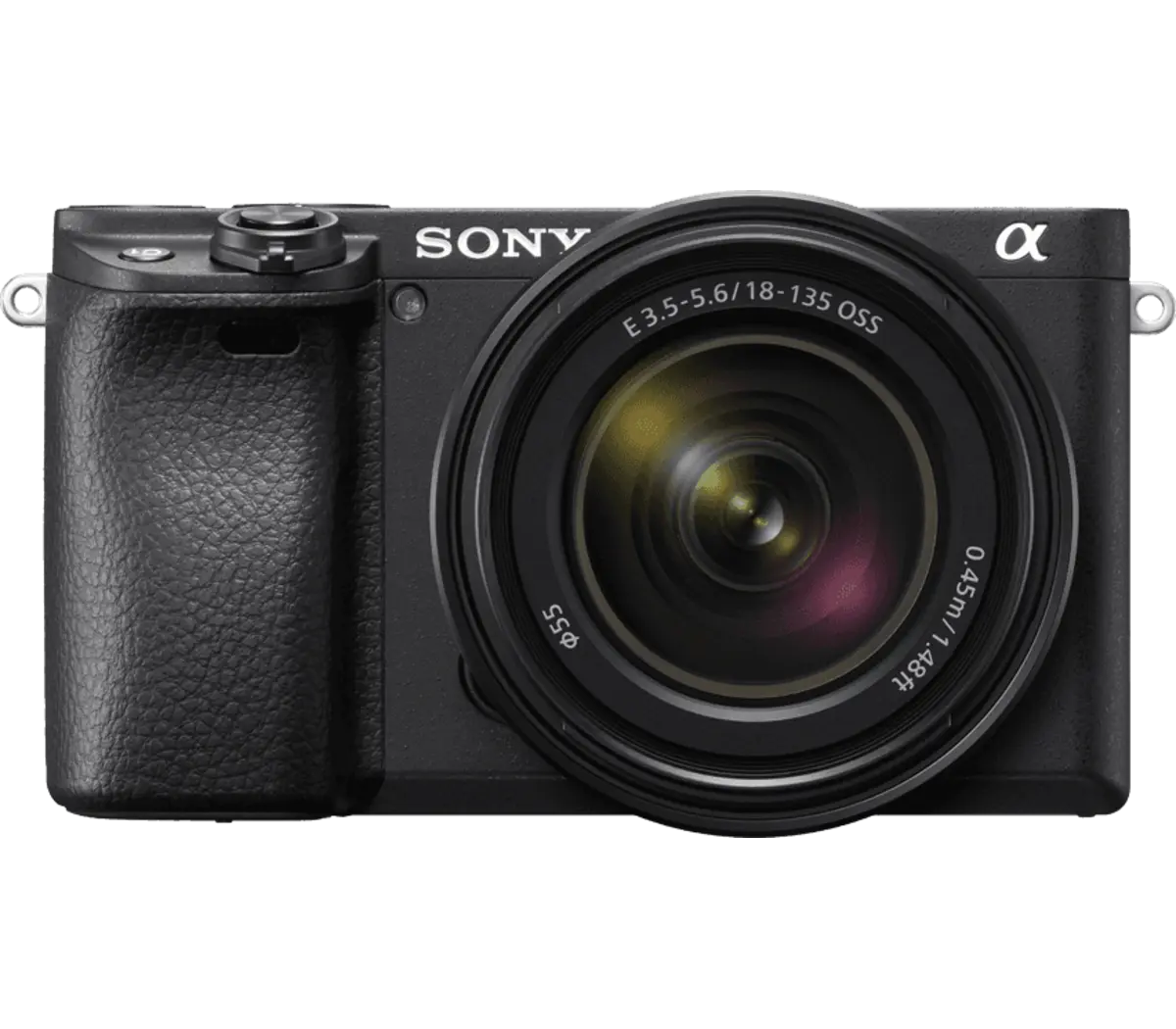
The Nikon Z50 and Sony A6400 are two popular mirrorless cameras that cater to enthusiasts and semi-professionals looking for quality photo and video performance in a compact package. Both cameras were released in 2019 and are often compared due to their similar price points and features, including APS-C sensors, 4K video capabilities, and advanced autofocus systems. Buyers might be torn between these two models based on factors like image quality, ergonomics, and brand loyalty, making this comparison essential to inform their purchasing decision.
Key differentiators include the sensor resolution, autofocus points, and battery life, which can significantly impact user experience depending on the shooting environment. Additionally, build quality and software features might sway potential buyers, as each brand has developed distinct ecosystems over the years. This analysis will break down the cameras across various specifications to provide clear insights for decision-making.
Specifications Comparison
Detailed Comparison
Image Quality
When it comes to image quality, the Sony A6400 offers a slight edge with its higher resolution of 24 megapixels compared to the Nikon Z50's 21 megapixels. This can be particularly beneficial in large prints or cropping scenarios, where the additional detail of the A6400 can make a difference. ISO performance also plays a significant role in image quality under low light conditions; while both cameras feature impressive ISO ranges, the Z50 extends further to ISO 204,800 compared to the A6400's max of 102,800. However, in practical terms, the A6400 generally manages noise better at higher ISO settings, resulting in cleaner images at commonly used ISO levels.
In terms of dynamic range and color reproduction, both cameras produce excellent images, but Sony's image processing tends to favor vibrant colors and contrast, which some photographers may prefer for their creative style. The Z50, however, features a natural color profile that may appeal to those who prioritize accurate skin tones and subtler palettes. The differences observed in real-world scenarios will often depend on personal preference.
In conclusion, while both cameras deliver high-quality images, the Sony A6400 slightly outperforms in resolution and low-light handling, making it the winner in this category.
Autofocus System
Focusing performance is crucial for both still photography and video work, and here the Sony A6400 shines with its 425 phase-detection autofocus points compared to the Z50's 209 points. The A6400's autofocus system is widely regarded as one of the best in its class, offering fast and reliable performance, which includes real-time eye autofocus for both humans and animals, making it particularly appealing for portrait and wildlife photographers.
The Nikon Z50, while also equipped with a competent autofocus system, may struggle slightly in dynamic scenes compared to the A6400. It does offer decent performance for general use, but those needing rapid subject tracking may find the A6400's system more suited to their needs. Additionally, both cameras provide similar continuous shooting speeds of 11 frames per second, but the A6400 can maintain its focus on moving subjects more effectively during continuous bursts.
In summary, the Sony A6400 takes the clear lead in autofocus capabilities, making it a better choice for fast-moving subjects and situations where quick focusing is essential.
Video Capabilities
Both the Nikon Z50 and Sony A6400 excel in video capabilities, offering 4K video recording at 30 frames per second. However, the A6400 has a slight edge with its superior autofocus performance, which is particularly advantageous in video work where subject tracking is crucial. The A6400's ability to maintain focus even during complex movements is a big plus for videographers.
Moreover, the A6400 supports S-Log profiles for greater color grading flexibility in post-production, which can appeal to independent filmmakers and videographers looking for more control over their footage. The Z50, while also capable of delivering excellent video quality, lacks the advanced color profiles that can enhance serious video projects.
Both models allow for in-camera stabilization using EIS algorithms, but it's worth noting that neither has in-body stabilization. Therefore, the choice here may depend on usage scenarios - for high-quality video with more creative flexibility, the A6400 is the better option.
Build & Ergonomics
Build quality and ergonomics are often a deciding factor for photographers, and both models have solid construction with weather sealing, making them suitable for outdoor use. The Nikon Z50 has a more substantial grip and slightly larger dimensions, weighing around 450 grams compared to the 403 grams of the A6400, which can be more comfortable for extended shooting sessions, especially with larger lenses.
Both cameras have electronic viewfinders, but the Z50's larger viewfinder may offer a more comfortable viewing experience. Additionally, the Nikon Z50 has a larger touchscreen with 1,040,000 dots, compared to the A6400's 921,600 dots. However, the A6400's screen can flip up 180 degrees, which is highly advantageous for vlogging or self-presentation.
In terms of overall feel, the Nikon Z50 may appeal more to those who prioritize a sturdy and comfortable grip, while the portability and screen flexibility of the A6400 cater to vloggers and on-the-go filmmakers.
Battery & Storage
Battery life is an important aspect for many photographers, particularly those shooting for long periods or on location. The Sony A6400 offers a battery life of approximately 410 shots per charge, while the Nikon Z50 has a lower rating of around 320 shots. This significant difference means that the A6400 could be more reliable for user scenarios where charging options are limited.
Additionally, both cameras use SD card slots but are compatible with different file management systems; the A6400 allows for dual card slot usage, a feature that can be crucial for photographers who want immediate backup or overflow storage, although the Z50 features only a single slot.
In conclusion, the A6400 takes the lead regarding battery performance and storage flexibility, making it more suitable for extended shoots without the need to frequently swap batteries or cards.
Value for Money
Pricing is a critical consideration for buyers, and at first glance, the differences between the Nikon Z50 and Sony A6400 are marginal. The Z50 is priced at $859, while the A6400 is slightly higher at $900. Given the features and performance discussed, the A6400 may offer more value for those looking for advanced autofocus and superior video capabilities, which can justify the $41 price difference.
However, the Z50 provides excellent build quality and a comfortable handling experience that could be more appealing for still photographers who prefer a camera that feels robust in hand. Additionally, the choice of lenses may also factor into overall value; the Nikon Z mounts are more limited than Sony's well-established E-mount system, which might influence future investment in lenses and accessories.
Ultimately, while both cameras are competitively priced and offer solid performance in their respective categories, the A6400 offers a broader feature set for a marginally higher price, making it a better investment for users focused on versatility and performance.
Our Verdict
In this detailed comparison, the Sony A6400 emerges as the overall winner, primarily due to its superior autofocus capabilities, better video features, and longer battery life. While the Nikon Z50 offers a comfortable grip and robust build quality, making it an excellent choice for still photography, the A6400's advantages make it more versatile for both photographers and videographers alike. Ultimately, prospective buyers should consider their individual needs - those mainly focused on video and shooting speed may prefer the A6400, while those seeking a more traditional still photography experience may lean towards the Z50.
Nikon Z50
Sony A6400
Also Compare
Frequently Asked Questions
Which camera is better for low light photography?
While both cameras perform well in low-light, the Nikon Z50 has a higher maximum ISO setting (204,800), but users have reported better noise control in challenging lighting from the A6400, making it generally more reliable for low light conditions.
Is the autofocus system revolutionarily better in the Sony A6400?
Yes, the A6400 has a more advanced autofocus system with 425 points and real-time eye autofocus, making it significantly better suited for fast-moving subjects and dynamic shooting situations.
How important is weather sealing for outdoor shooting?
Weather sealing can be very important for outdoor shooting, protecting the camera from dust and moisture. Both the Nikon Z50 and Sony A6400 are weather-sealed, but it is essential to ensure that lenses are also weather-protected.
Should I care about video features if I only shoot stills?
If your focus is primarily on still photography, high-level video features might not be a priority. However, it's worth considering that advanced autofocus and image processing found in a video-oriented camera can enhance still photography performance as well.
Can I use DSLR lenses with these cameras?
You cannot directly use DSLR lenses on these mirrorless cameras, as they have different mounts, but adapter options are available that may allow compatibility, though it may affect performance and autofocus speed.