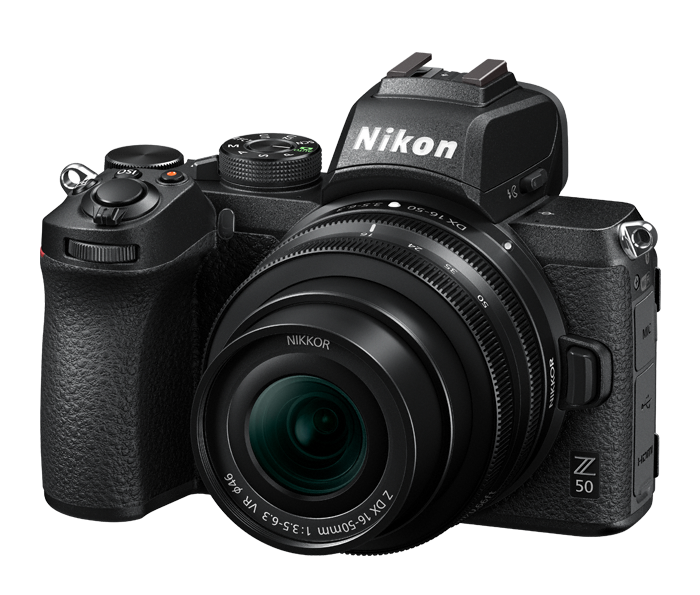
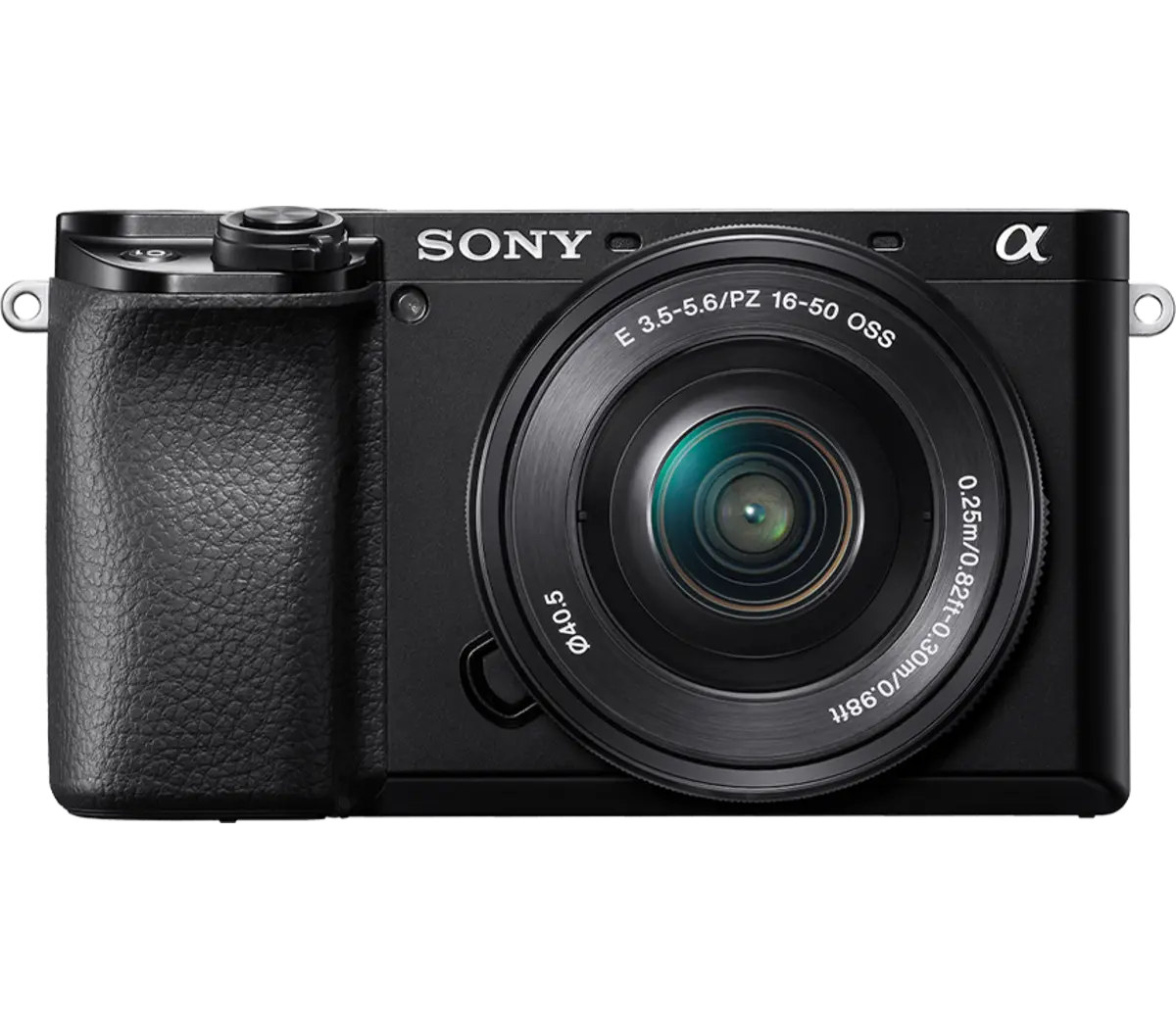
The Nikon Z50 and Sony A6100 are two popular choices among entry-level mirrorless cameras, frequently compared by photography enthusiasts who want to invest in a compact system that offers strong performance in both photos and videos. These cameras are particularly appealing for those transitioning from smartphones or compact cameras. The key differentiators between them include sensor resolution, autofocus capabilities, and overall ergonomics-all of which can majorly influence a buyer's experience depending on their photography needs and style.
Specifications Comparison
Detailed Comparison
Image Quality
Both the Nikon Z50 and Sony A6100 boast APS-C sensors, yet they differ slightly in resolution and ISO performance. The Z50 features a 21-megapixel sensor that captures sharp images with good detail, while the A6100 ups the ante with a 24-megapixel sensor, enabling higher resolution images and potentially more flexibility with cropping. In terms of ISO performance, the Z50 has a wider native ISO range of 100-51200, expanding even further up to 204800, providing better low-light capability compared to the A6100's range of 100-32000 (expanding to 51200). Ultimately, this advantage means that the Z50 may perform more reliably in challenging lighting conditions. While both models produce excellent JPEG and RAW images, the difference in resolution could benefit those who desire larger prints or extensive cropping options. Overall, both cameras deliver vibrant colors and pleasing image quality, but those invested in high-resolution files may favor the A6100's specifications. Thus, while both cameras can produce quality imagery, the A6100's resolution is a notable advantage for detail-oriented photographers.
Autofocus System
The autofocus systems of the Nikon Z50 and Sony A6100 are robust, with the latter offering a significant edge with its 425 autofocus points compared to Z50's 209 points. This means that the A6100 can acquire focus more quickly and accurately across a larger area of the frame, enhancing its ability to track moving subjects effectively-ideal for capturing active scenes or fast-paced events. The Sony's Real-time Eye autofocus is another standout feature, providing superior performance in capturing well-focused portraits and candid moments. While the Z50 offers decent autofocus capabilities, particularly in static scenes, it might struggle slightly in dynamic or fast-moving environments. Thus, for photographers who prioritize speed and accuracy in autofocus, especially for sports or wildlife photography, the A6100's system is decidedly superior, making it the better choice in this regard.
Video Capabilities
Both the Nikon Z50 and Sony A6100 are equipped for video enthusiasts, supporting 4K recording at 30 frames per second. However, there are notable differences when it comes to video features. The Z50 allows for frame cropping in video mode, which could be a limitation for videographers looking for wider angles, while the A6100 offers full pixel readout with no crop, preserving more detail and a broader field of view. In terms of features, the A6100 also supports S-Log for color grading, enhancing post-production flexibility, which is absent in the Z50's capabilities. Furthermore, the Z50 doesn't have in-body stabilization, which could be a drawback for handheld cinema-style shots. On the contrary, the A6100 may require stabilization via lenses or gimbals but is still more adaptable to various shooting scenarios. Ultimately, for dedicated videography, the A6100 surfaces as the more capable option between the two, thanks to its features that both enhance image quality and provide flexibility during editing.
Build & Ergonomics
When comparing build and ergonomics, the physical aspects of both cameras cater to different preferences. The Nikon Z50 has a slightly bulkier form factor with dimensions of 127 x 94 x 60 mm and a weight of 450 grams, offering a more solid grip that some photographers may prefer for stability, especially when using larger lenses. Notably, the Z50 also boasts weather sealing, making it more suitable for outdoor photography in varied conditions. On the other hand, the Sony A6100 is smaller and lighter, at 120 x 67 x 59 mm and weighing only 396 grams. This makes it an excellent choice for travel and street photography where a compact camera is advantageous. While it lacks weather sealing, it's designed for portability. Both cameras feature electronic viewfinders and tilting screens, although the Nikon's screen is larger and boasts higher resolution. For those prioritizing a more rugged build and ergonomics for comfort during extended shooting, the Z50 could be preferable; however, for lightness and ease of transport, the A6100 excels.
Battery & Storage
Battery life is a crucial aspect for any photographer, and here, the Sony A6100 slightly outperforms the Nikon Z50. The A6100 can achieve around 420 shots per charge, while the Z50 provides approximately 320 shots. This means that the A6100 is more suited for longer shooting sessions where switching batteries may not be feasible. Both cameras utilize SD card storage, but the Z50's compatibility with UHS-II cards offers faster transfer rates, which can be beneficial when working with high-resolution images or 4K video. In terms of convenience, the A6100's superior battery life offers an edge for users who may often shoot for extended periods without access to charging facilities or spare batteries. This could sway buyers who frequently engage in outdoor photography or day-long events. Therefore, while both cameras are equipped to handle storage and battery needs, the A6100 provides a notable advantage in endurance.
Value for Money
When it comes to price, the Nikon Z50 is listed at approximately $859, whereas the Sony A6100 is more budget-friendly at around $750. Given their similar target markets, the price difference reflects their specifications and performance. The Z50's higher price is justified by its larger viewfinder, weather sealing, and slightly better low-light ISO performance, which may appeal to certain users willing to invest more for enhanced features. Conversely, the A6100 provides an excellent balance of features for a lower cost, making it an attractive option for beginner to intermediate photographers looking to maximize their value without stretching their budgets. The A6100's superior autofocus and video capabilities at a lower price also position it well for aspiring content creators. Overall, while the Z50 offers some compelling features for specific users, the A6100 emerges as the overall better value, especially for those prioritizing versatility and performance at a lower entry price.
Our Verdict
In conclusion, while both the Nikon Z50 and Sony A6100 have their merits, the A6100 stands out overall, especially for videography, autofocus performance, and ease of transport. It presents a more versatile option for beginners and enthusiasts alike, making it particularly useful for those who will engage in a variety of shooting scenarios-especially in video. On the other hand, the Z50 might attract photographers seeking a more rugged camera with a better grip and low-light capability, making it a worthy contender for those specific needs.