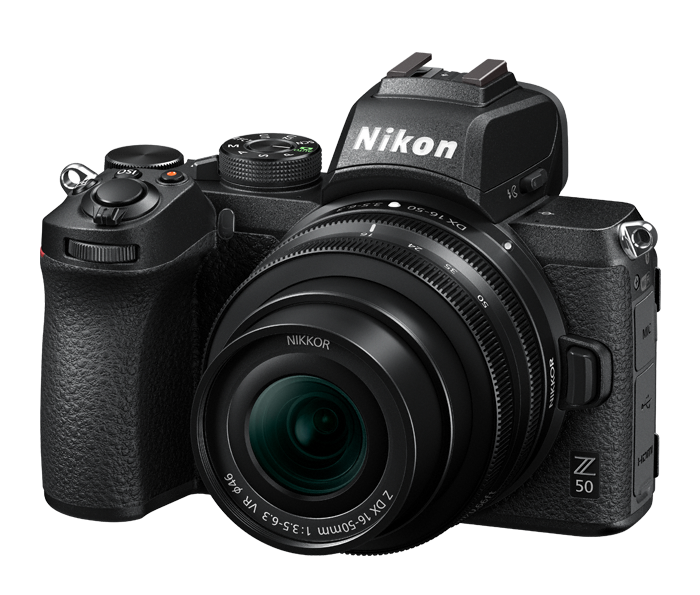
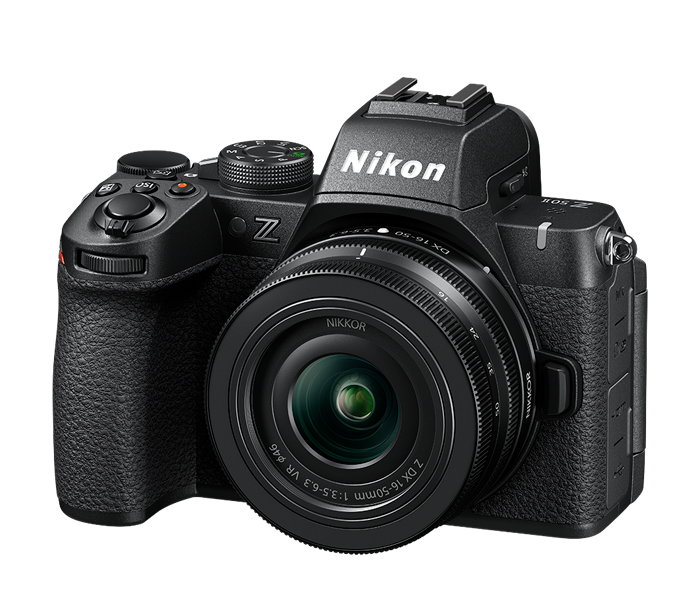
The Nikon Z50 and Z50II are two compact mirrorless cameras that are frequently compared by enthusiasts and professionals alike, particularly those looking for an APS-C format solution within the Nikon Z mount ecosystem. With both models targeting photography and videography aficionados, they offer high-quality images with manageable sizes and weights, making them appealing for travel and everyday use. Buyers may be asking themselves whether the upgrades in the Z50II justify its price point or if the original Z50 still holds its value as a capable option.
Specifications Comparison
Detailed Comparison
Image Quality
Both the Nikon Z50 and Z50II share an identical 21-megapixel APS-C sensor, which delivers excellent image quality with good dynamic range and low-light performance. The ISO range also remains the same for both models, allowing for flexibility from Auto, 100-51,200 and an impressive expansion to 204,800. In practical use, users will find both cameras producing vibrant and detailed images with similar characteristics, making it difficult to distinguish between the two in terms of raw image quality.
Given that they both utilize the same sensor, any differences in image quality will mostly come down to processing updates within the camera firmware. The Z50II may have slight advantages in noise reduction algorithms due to newer processing technology. However, for most photographers, the difference will be negligible, making it a toss-up when it comes to overall image quality.
Both models provide the same 14-bit RAW output capabilities, ensuring a high standard for post-processing. Thus, photographers who value image quality will find themselves well-served by either option. Overall, although the Z50II may have some minor processing advantages, the raw output potential remains consistent across both cameras.
Autofocus System
Autofocus performance is one area where the Z50II visibly pulls ahead. It boasts 231 autofocus points compared to 209 in the Z50, which translates to faster and more reliable focus acquisition. Both cameras feature Nikon's Eye-Detection AF, but the enhanced coverage on the Z50II can be particularly beneficial for portrait and wildlife photographers seeking accuracy.
The Z50's autofocus system is still competent and functional for most shooting scenarios, but the added points and likely refinements in the Z50II's processor could provide better tracking performance during fast-paced shooting. Users may notice improved subject recognition and a slightly quicker snap to focus, especially in low-light situations.
For enthusiasts looking to capture action shots or subjects in motion, the Z50II's refined autofocus capabilities might make a significant difference, thus making it the preferred choice for those heavily reliant on autofocus in their shooting style.
Video Capabilities
Video performance between the two cameras is largely similar, as both support 4K video recording at 30 frames per second. However, the Z50II may include notable coding enhancements allowing for better heat management and extended recording times, although specific attributes like color science and grading capabilities are inherently tied to the same sensor technology.
Both models lack in-body stabilization, which can be a significant factor for video creators relying on handheld shooting. Users will likely need to employ stabilization in post-production or utilize gimbals for both cameras. Despite these limitations, the video quality remains high, and both options can cater to vlogged content and short film projects.
Overall, while the Z50II could edge ahead in terms of slight improvements in video handling, the core features of both cameras offer similar capabilities. Hence, those primarily interested in video might see them as equally adept.
Build & Ergonomics
The design of both cameras embraces a compact and lightweight profile that appeals to users seeking portability. Both models maintain weather sealing, which is useful for outdoor photography. However, the Z50II comes with a slightly increased weight at 550 grams, versus the Z50's 450 grams, which could make a difference for users carrying their camera for extended periods.
Moreover, the Z50II features revised ergonomics that provide a slightly more comfortable grip, facilitating better handling for prolonged photography sessions. Both cameras sport a fully articulating touchscreen of 3.2 inches and 1,040,000 dots, allowing for versatile shooting angles, though the screens are identical specifications-wise.
In terms of build quality, both cameras feel robust and premium, but the updated ergonomics on the Z50II likely improve overall usability, especially for those with larger hands.
Battery & Storage
Battery performance is another differentiator where the Nikon Z50 offers a longer life per charge; it provides approximately 320 shots compared to the Z50II's 250 shots. This could be critical for users who plan extensive shoots or don't want to carry multiple batteries while traveling.
Both cameras utilize the same EN-EL25 battery type, and both support SD UHS-II cards for storage, allowing for speedy writing of data during continuous shooting or video recording. Therefore, while the Z50II may present certain upgrades, the battery longevity of the Z50 likely remains a distinct advantage for users prioritizing endurance.
Value for Money
The Z50 currently retails for around $859, while the Z50II, being the fresher model, is priced higher at a premium rate. Given this, value plays a crucial role when comparing the two options. Users on a budget will appreciate the Z50's detailed and versatile performance; it allows substantial savings while delivering similar core capabilities expected from a mirrorless camera in this range.
For buyers considering if the differences in autofocus points, slight ergonomic improvements, and potential processing enhancements justify the increase in cost, the answer will depend on personal priorities and how they align with specific photography needs.
In summary, while the Z50II offers modern refinements, buyers who do not require the latest features could find the Z50 to be a superior value, providing solid performance at a more attractive price point.
Our Verdict
Overall, while the Nikon Z50II introduces several improvements, especially in autofocus and ergonomics, the original Z50 remains a formidable option for photographers who prioritize battery life and value for money. The enhanced autofocus system of the Z50II is indeed appealing, but for users who may not need the most up-to-date technology, the Z50 offers similar image quality, adequate video capabilities, and excellent build quality at a lower cost. Therefore, the Z50 secures a slight edge in providing a balanced combination of performance and value.