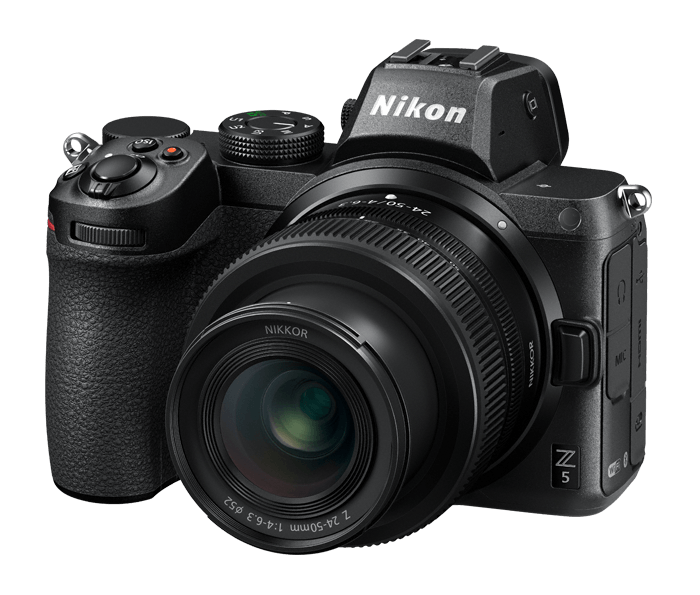

The Nikon Z5 and Sony A9 III are two compelling full-frame mirrorless cameras that attract attention from both amateur and professional photographers. With the Nikon Z5 released in 2020 and the Sony A9 III unveiling in 2023, these two models cater to differing needs and shooting styles. While the Z5 is designed with photography enthusiasts in mind and offers an excellent balance of features and affordability, the A9 III targets high-end sports and wildlife photographers with its razor-sharp performance and advanced capabilities. Understanding the features and differences between these two models can help potential buyers make an informed decision based on their specific requirements.
Key differentiators include the sensor and resolution, autofocus performance, video recording capabilities, build quality, and overall value for money. The Nikon Z5 delivers a solid performance with a lower frame rate and a more budget-friendly price point, while the Sony A9 III boasts cutting-edge features that justify its higher cost. Buyers looking for speed, advanced autofocus, and video capabilities may lean towards the A9 III, whereas those looking for good image quality and reliability without breaking the bank might opt for the Z5.
Specifications Comparison
Detailed Comparison
Image Quality
Both the Nikon Z5 and Sony A9 III utilize full-frame sensors that promise excellent image quality. The Z5 features a 24-megapixel sensor, while the A9 III takes it slightly further with a 25-megapixel sensor. Despite the minimal difference in pixel count, both cameras deliver remarkable detail and dynamic range. Photographers in diverse lighting conditions will appreciate the Z5's ISO range (100-51200, expandable to 50-102400) which provides flexibly in low-light scenarios. On the other hand, the A9 III also offers excellent high-ISO performance, delivering clean images even at elevated settings.
The Z5's 5-axis in-body image stabilization (IBIS) contributes to image quality by reducing camera shake in handheld shots, while the A9 III's superior 8-stop stabilization further amplifies this benefit, making it ideal for fast-moving subjects or low-light environments. Overall, while both cameras excel in image quality, the difference lies mainly in their performance under high ISO settings, with outdoor sports and wildlife photographers likely favoring the A9 III for its speed and stability.
Autofocus System
The autofocus capabilities of the Sony A9 III clearly outpace those of the Nikon Z5, making it the better choice for fast-paced photography. With 693 phase-detection and 425 contrast-detection points, the A9 III is designed for lightning-fast focus acquisition, which is essential for sports and wildlife photography. Additionally, this model supports Real-time Eye AF for both humans and animals, ensuring high accuracy in focus during dynamic shoots.
Conversely, the Nikon Z5's 273 autofocus points, while solid for its class, simply do not match the speed and performance of the A9 III, especially in challenging circumstances such as tracking quick movements. Although the Z5 is effective for stills and general photography, serious action photographers or videographers will find the autofocus system of the A9 III a game-changer.
Video Capabilities
Video recording is another area where the Sony A9 III excels, supporting 4K at 120p, which is crucial for those looking to capture high frame-rate video content. Its advanced features like S-Cinetone color depth and XAVC S-I recording meet the demands of professional filmmakers. The A9 III's superior video specs also lend themselves to high dynamic range and improved post-processing flexibility.
In comparison, the Nikon Z5 offers 4K recording at a maximum of 30p. While it has reliable performance suitable for vlogging and general shooting, it cannot compare to the frame rates and attributes of the A9 III. Due to the rapid advancement in video technologies and evolving content creation needs, the A9 III stands out as the clear winner in terms of video functionality and adaptability.
Build & Ergonomics
Both cameras are built with durability in mind, featuring weather sealing to withstand various shooting conditions. The Nikon Z5 has a robust build and a well-placed grip, which offers excellent comfort during extended shooting sessions. Its weight of 675g provides a feeling of solidity but is still manageable for long shoots.
The Sony A9 III is slightly lighter at 617g, providing a similar comfort level in hand, yet its more substantial size can make it bulkier for some users. It includes customizable buttons and a high-resolution electronic viewfinder, which is a boon for those who prefer more control at their fingertips. Overall, while both cameras are designed for resilience and comfort, the ergonomic advantages offered by the A9 III through its layout and weight could appeal to professionals in demanding environments.
Battery & Storage
When it comes to battery life, the Nikon Z5 offers an impressive performance of approximately 470 shots on a single charge, which is commendable for mirrorless systems. This feature makes it quite reliable for photographers who spend lengthy hours outdoors without access to charging solutions. The Z5 typically uses an EN-EL15c battery which is widely compatible with other Nikon models.
In contrast, the Sony A9 III's effective design, combined with its NP-FZ100 battery, allows for an incredible 530 shots. Not only does it offer a longer endurance, but its dual card slots also support CFexpress Type A and SD UHS-II formats, providing flexibility in storage and faster write speeds, which is advantageous for continuous shooting scenarios. Given these facets, the A9 III takes the lead in battery life and storage capabilities, making it ideal for high-volume shooters.
Value for Money
The Nikon Z5 starts at a competitive price point of $1399, making it a solid choice for budding photographers or enthusiasts looking for good quality without a hefty investment. Given its combination of features, including IBIS, weather sealing, and a capable autofocus system, the Z5 provides great value for those focused on image quality and more traditional photography needs.
Conversely, the Sony A9 III is priced significantly higher given its advanced features and superior performance metrics. Though the A9 III's price tag matches its capabilities, which include exceptional autofocus, high-speed shooting, and advanced video options, it may be overstretching for amateur photographers. Many users will find that while the A9 III offers unparalleled performance for its target market, the Z5 may provide better value for all-around shooting needs. Hence, for budget-conscious consumers, the Nikon Z5 delivers a better balance of features to price.
Our Verdict
In this detailed comparison, the Sony A9 III emerges as the overall winner feature-wise, especially for professional photographers who require high-speed performance, advanced autofocus capabilities, and superior video functionalities. However, the Nikon Z5 is an exceptional choice for enthusiasts seeking a budget-friendly alternative that doesn't compromise too much on image quality and usability. If you are primarily focused on still photography or have budget constraints, the Z5 makes a compelling case for itself. For those who thrive on fast action, diverse shooting scenarios, or film-making, the A9 III is undoubtedly the stronger contender.
Nikon Z5
Sony A9 III
Also Compare
Frequently Asked Questions
Which camera is better for sports photography?
The Sony A9 III is better suited for sports photography due to its advanced autofocus system, high frame rate, and superior continuous shooting capabilities.
Is the Nikon Z5 good for video recording?
While the Nikon Z5 offers decent 4K video capabilities, it cannot match the A9 III's higher frame rates and enhanced video features, making it less ideal for professional video production.
How do the battery lives compare?
The Sony A9 III has a slight edge in battery life, offering approximately 530 shots compared to the Nikon Z5's 470 shots, making it more suited for long shooting sessions.
What are the key advantages of the Nikon Z5?
The key advantages of the Nikon Z5 include its affordability, solid image quality, weather sealing, and effective in-body image stabilization, making it a great value camera for enthusiasts.
Which camera is better for low-light photography?
Both cameras perform well in low-light situations, but the Nikon Z5 has a wider ISO range that expands down to 50, which can provide an edge in certain scenarios.
Are there lens options for both cameras?
Both systems have a growing selection of compatible lenses. The Nikon Z system offers a range of Z-mount lenses, while Sony's E-mount has a robust lineup, making either choice viable depending on your photography needs.