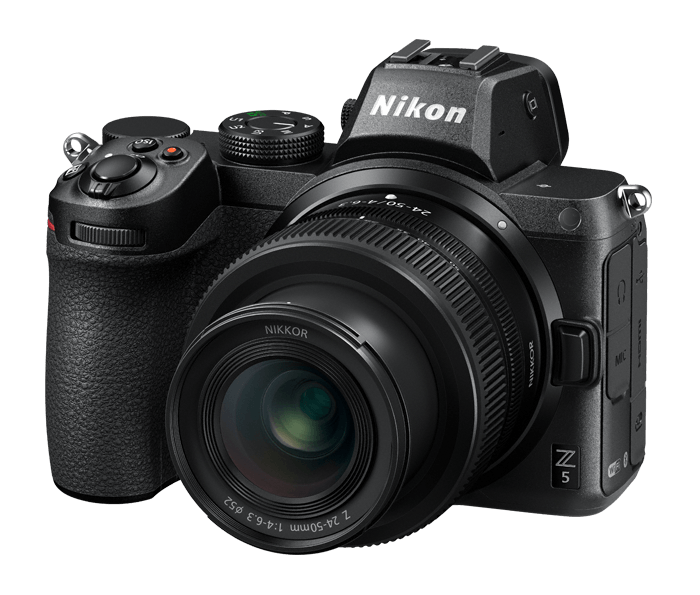
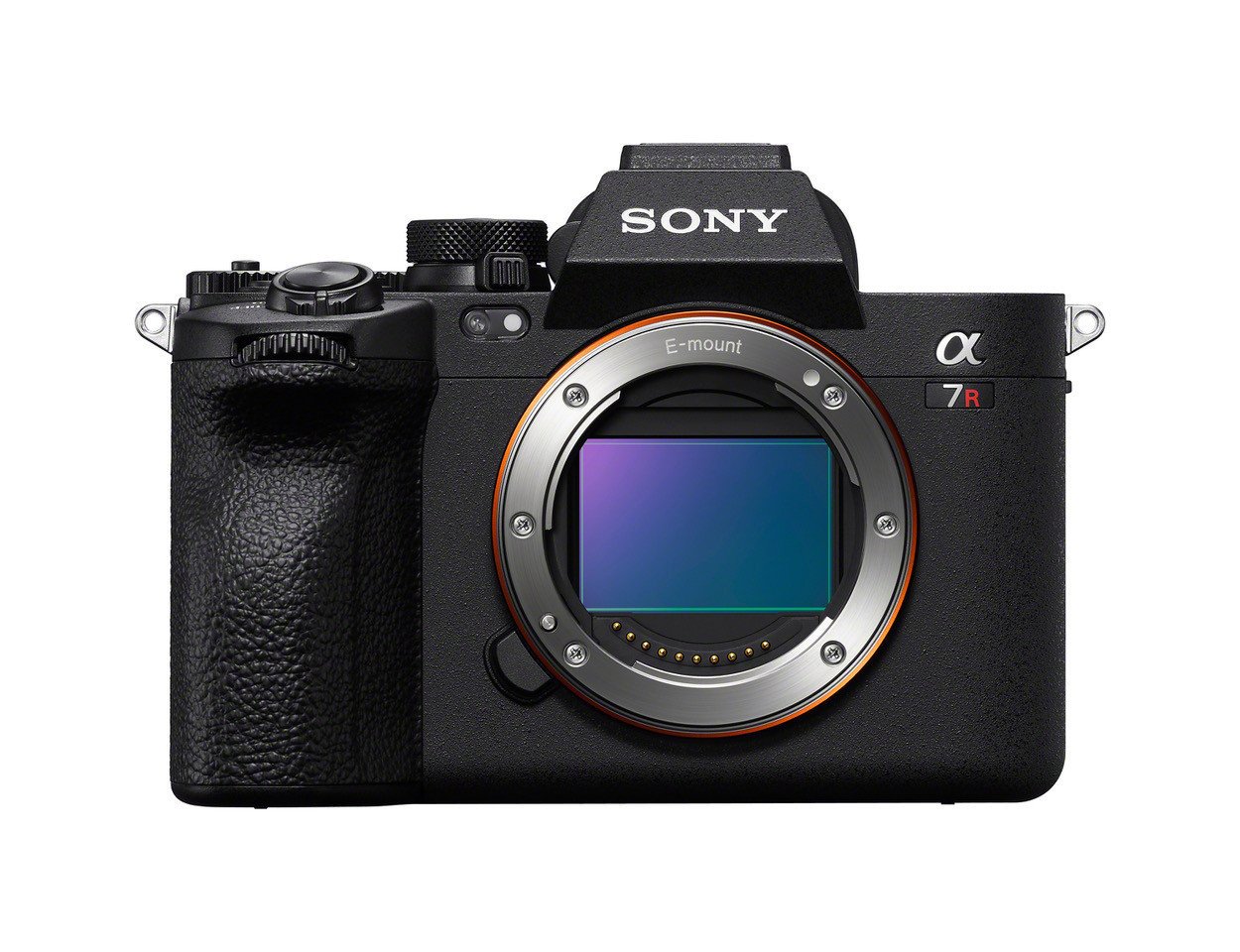
The Nikon Z5 and Sony A7R V are two prominent full-frame mirrorless cameras that often come up in discussions among enthusiasts and professionals alike. While they cater to slightly different audiences, both are excellent choices featuring advanced imaging capabilities, making them popular amongst photographers looking for high-quality results in various scenarios. The key differentiators lie in their megapixel counts, autofocus systems, video capabilities, and ergonomics, which can significantly influence the purchasing decision for potential buyers.
Specifications Comparison
Detailed Comparison
Image Quality
When it comes to image quality, the Sony A7R V takes the lead with its impressive 60 megapixel sensor compared to the 24 megapixels offered by the Nikon Z5. The higher resolution of the A7R V allows for greater detail retention, particularly valuable for large prints and cropping. However, the Z5 still delivers solid image quality, especially for general photography needs, as it produces images with acceptable dynamic range and low noise levels, especially within its ISO range. Furthermore, both cameras can extend their ISO capabilities into ultra-high ranges, providing added flexibility in low-light situations.
Despite the Z5's lower resolution, it features a competent ISO range of 100-51200, expandable to 50-102400, making it versatile for various shooting conditions. The A7R V's ISO range is slightly more limited at base ISO 100-32000 but also expands up to 102400. However, in practical scenarios, the image quality from both cameras will satisfy the requirements of most shooters, though the A7R V certainly shines for detail-oriented work. Overall, for detail and high-end image quality, the winner is clear.
Autofocus System
The autofocus system is a critical feature in any camera, and here, the Sony A7R V once again stands out with its 693 autofocus points compared to the 273 points in the Nikon Z5. This extensive coverage enables more accurate focusing on subjects across the frame, which is especially beneficial for dynamic shooting scenarios like wildlife or sports photography. The A7R V also employs real-time tracking and advanced algorithms, ensuring that fast-moving subjects remain sharp even in challenging conditions.
On the other hand, while the Z5's autofocus system is reliable and capable for casual shooting, it does not match the precision and effectiveness of Sony's latest technology. Nikon's smaller number of autofocus points and slightly slower burst rate (4.5 fps vs. 10 fps) can impact performance in fast-paced environments, but it is still functional for various genres such as portrait or landscape photography. Therefore, for those who prioritize fast and accurate autofocus, the A7R V leads the pack.
Video Capabilities
Video recording capabilities are another crucial consideration for producing high-quality content, and the Sony A7R V offers an advantage in this area as well. It supports 4K recording at up to 60 frames per second, providing filmmakers with excellent options for high-frame-rate footage. Additionally, with its higher resolution, the A7R V can produce stunning 4K video with finer details and dynamic range. The camera also benefits from advanced video features like S-Log3, enhancing post-production color grading.
In contrast, the Nikon Z5 is somewhat limited with its 4K recording capabilities capped at 30 fps, which may deter videographers seeking smoother performance. While the Z5 does provide good video quality for casual use and is equipped with in-body stabilization, it doesn't reach the filmmaking flexibility or advanced features found in the A7R V. This makes it clear that the A7R V is the better choice for serious videographers.
Build & Ergonomics
Build quality and ergonomics can make a significant difference in user experience, and both cameras are well-constructed with weather-sealing for resilience in challenging conditions. The Nikon Z5 weighs 675 grams and has dimensions of 134 x 101 x 70 mm, making it slightly bulkier than the A7R V, which weighs 723 grams and measures 131 x 97 x 82 mm. The slightly larger grip on the Z5 may be more comfortable for extended shooting sessions, especially for photographers with larger hands.
On display, the Z5 features a 3.2-inch screen with a resolution of 1,040,000 dots, while the A7R V boasts a sharper 3.2-inch screen with a resolution of 2,100,000 dots. This not only enhances the viewing experience but also improves focusing accuracy in critical scenarios. While both systems are equipped with electronic viewfinders, the A7R V's higher resolution may lead to a clearer and more enjoyable composing experience. In terms of ergonomics and overall build quality, the Z5 provides excellent handling but the A7R V ultimately offers a more refined experience.
Battery & Storage
Battery life is a critical factor, especially for photographers and videographers who need endurance during long shooting sessions. The Nikon Z5 boasts a solid battery life, allowing approximately 470 shots per charge, while the Sony A7R V slightly outperforms it with about 530 shots. This difference may not seem significant but can be crucial for professionals on the go.
Both cameras support dual card slots, with the Z5 using dual SD cards (with one slot being UHS-II compatible), whereas the A7R V also supports CFexpress Type A cards. The inclusion of CFexpress cards in the Sony A7R V enhances performance for high-speed shooting and video recording, thereby making a notable difference in storage capabilities, especially with larger file sizes from the high-resolution sensor. In terms of overall durability and longevity throughout the shooting day, the A7R V slightly edges out the Nikon Z5.
Value for Money
Value for money can often be a deciding factor for photography enthusiasts. The Nikon Z5 is priced at $1399, making it a more accessible option for those looking to enter the full-frame mirrorless market without breaking the bank. It offers a well-rounded feature set that will meet the needs of many casual photographers and advanced amateurs, particularly those who value decent performance without the premium price tag.
In contrast, the Sony A7R V, with a starting price of $3900, positions itself as a high-end option intended for professional users who require maximum resolution and advanced features for their work. The A7R V may seem expensive, but for those needing higher image quality and enhanced video capabilities, the investment could be justified. Overall, considering capabilities in tandem with costs, the Nikon Z5 presents a more favorable value proposition for the average user.
Our Verdict
In summary, while both the Nikon Z5 and Sony A7R V are competent full-frame mirrorless cameras, the A7R V emerges as the overall winner due to its superior image resolution, autofocus capabilities, and video performance. These features make it ideal for professionals and detail-oriented photographers. However, the Z5 offers remarkable value for those looking for an affordable entry into full-frame photography, providing excellent image quality and solid performance for everyday shooting, making it an ideal choice for enthusiasts and those on a budget.
Nikon Z5
Sony A7R V
Also Compare
Frequently Asked Questions
Which camera is better for beginners?
The Nikon Z5 is more beginner-friendly due to its lower price and ease of use, offering excellent performance for amateur photographers.
Is the Sony A7R V worth the price?
For professional photographers and serious enthusiasts seeking the best image quality and features, the investment in the A7R V is justified.
How do the weight and dimensions compare?
The Nikon Z5 is slightly bulkier, while the A7R V is more compact. Both provide weather-sealing and good ergonomics.
What is the battery life of both cameras?
The Nikon Z5 offers about 470 shots, while the Sony A7R V provides around 530 shots per charge, contributing to longer shoot times.
Can both cameras record 4K video?
Yes, but the Z5 is limited to 4K 30p, while the A7R V can shoot 4K at 60p, making it more suitable for advanced videography.