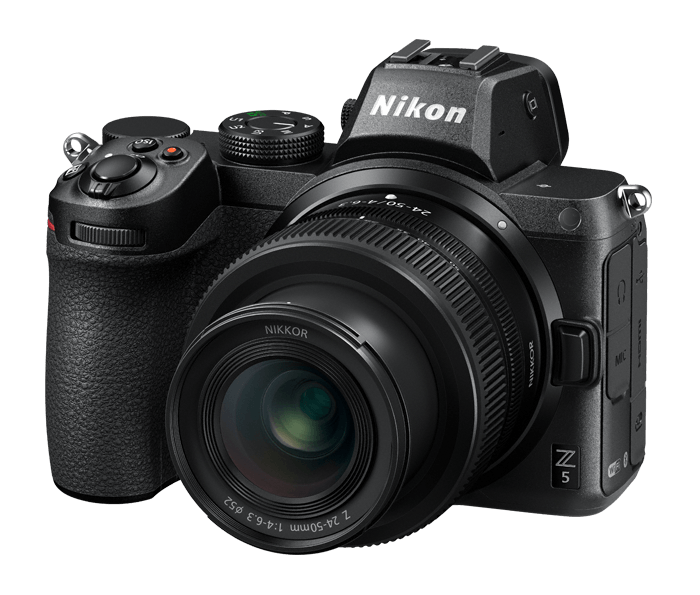
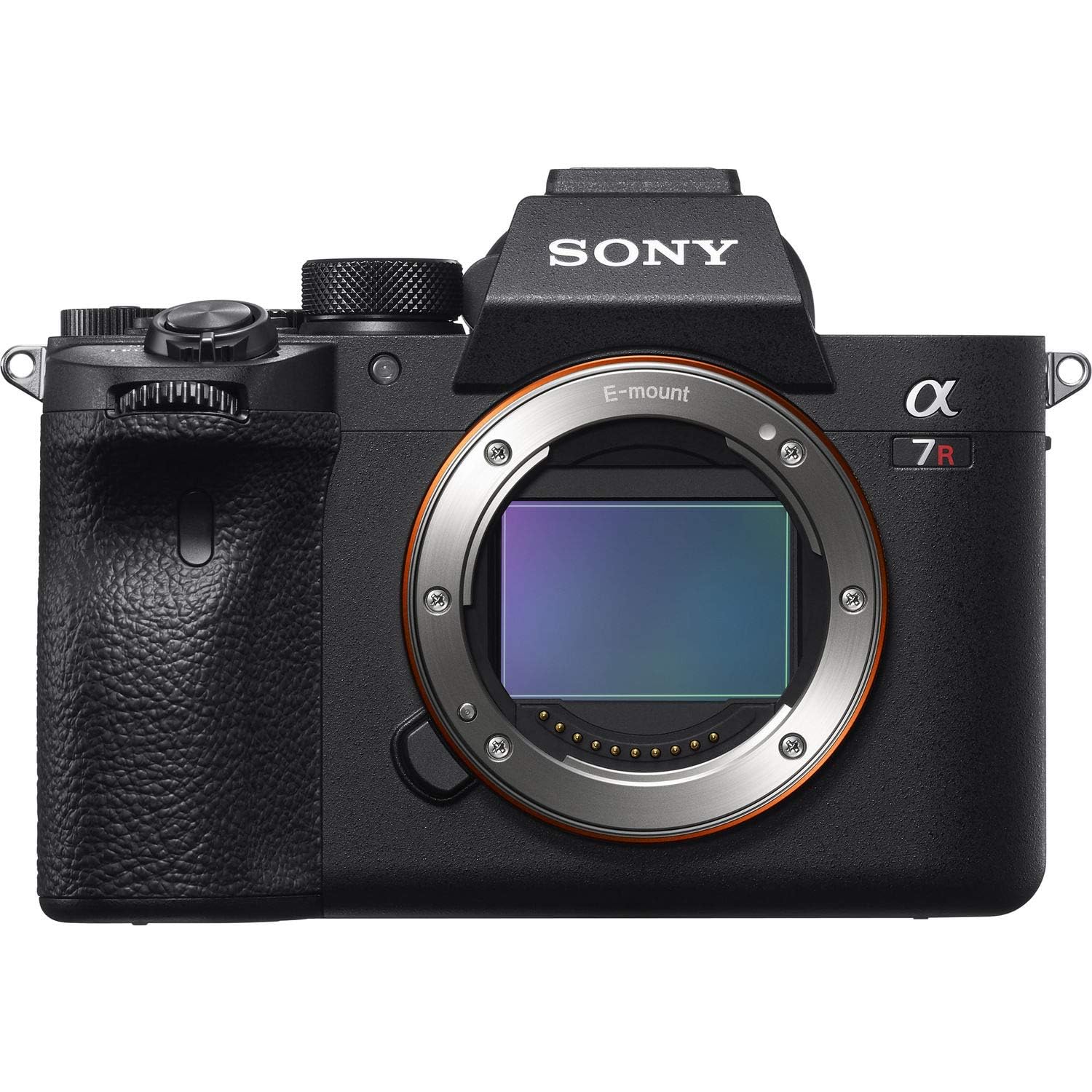
The Nikon Z5 and the Sony A7R IV are two full-frame mirrorless cameras that often pique the interest of photography enthusiasts and professionals alike. Both cameras offer solid performance and are targeted toward users who demand high image quality, robust autofocus systems, and advanced video capabilities. While the Z5 is more geared toward photography enthusiasts looking for a balance between quality and price, the A7R IV is often favored by professionals who require ultra-high resolution and advanced performance in their work. Overall, the Z5 offers a more budget-friendly option, while the A7R IV excels in specifications and performance metrics that appeal to serious photographers.
Specifications Comparison
Detailed Comparison
Image Quality
In the realm of image quality, the Sony A7R IV boasts a significant advantage with its 61-megapixel sensor compared to the Nikon Z5's 24-megapixel sensor. This high resolution allows for extreme detail preservation, making the A7R IV suitable for large prints and heavy cropping without a noticeable loss in quality. The A7R IV also edges out with its higher ISO performance (expanding to 102800), which can offer better results in low-light conditions. The Z5 expands to 102400 as well but with lower overall detail capture. On the flip side, the Z5's 24-megapixel sensor is more than sufficient for many users, especially those who prioritize manageable file sizes and editing workflows. Additionally, the Z5's processing capabilities yield excellent color accuracy and sRGB output that many beginner and intermediate photographers appreciate. However, for pixel-peepers and those focusing on high-end applications, the A7R IV remains unmatched. Ultimately, while the Nikon Z5 offers quality images for the majority of users, the A7R IV's superior resolution positions it as the preferred choice for those seeking the utmost detail and image quality.
Autofocus System
When it comes to autofocus, the Sony A7R IV offers a more advanced and responsive system with its 567 autofocus points, compared to Nikon's Z5 with 273 points. This translates to better tracking and focusing performance, especially in dynamic situations like wildlife or sports photography. The A7R IV also features real-time Eye Autofocus for both humans and animals, ensuring quick and accurate focusing on subjects. Meanwhile, the Nikon Z5 provides solid performance but lacks some of the advanced tracking capabilities of its competitor. In practical use, the Z5's autofocus is still competent, with excellent subject recognition and decent low-light performance, but it cannot match the speed and accuracy of the A7R IV in fast-paced shooting scenarios. Thus, while the Z5 will serve the needs of casual photographers well, professionals requiring swift and precise autofocus in a variety of situations will likely choose the A7R IV.
Video Capabilities
Both the Nikon Z5 and Sony A7R IV provide 4K video capabilities; however, their implementations and additional features vary. The Z5 supports 4K at 30p with a full-frame readout, offering good video quality for most users. It also includes in-body stabilization, which aids in achieving smoother footage. In contrast, the A7R IV also supports 4K 30p but features advanced video codecs and additional frame rate options in lower resolutions, appealing to users who need more diversity in their filming capabilities. Additionally, the A7R IV's superior autofocus system enhances its usability for video work, making it a stronger choice for filmmakers and content creators. While both cameras cover the basics for videography, the Sony A7R IV's greater versatility and functionality in the video department makes it the better option for video-centric users.
Build & Ergonomics
Both cameras showcase robust designs with weather sealing, suitable for outdoor use and adverse conditions. The Nikon Z5 is slightly heavier at 675g versus the A7R IV's 665g, but the Z5 sports a more pronounced grip that some users may find more comfortable for prolonged use. The dimensions also indicate that the Z5 is slightly bulkier, which can affect portability for some photographers. Additionally, the A7R IV features a higher-resolution screen (1,440,000 dots) compared to the Z5's 1,040,000 dots, resulting in a crisper display for reviewing images and navigating menus. However, both cameras come with electronic viewfinders that provide excellent clarity and frame rates, making them suitable for live view shooting. Ultimately, while both cameras are well-built, user preference on handling comfort may sway the decision, but the A7R IV edges slightly ahead with its superior screen resolution.
Battery & Storage
In terms of battery life, the Nikon Z5 performs admirably with an estimated 470 shots per charge, compared to the A7R IV's longer 670 shots. This difference can be crucial for event photographers or those who spend long hours shooting without the option to recharge. Both cameras utilize different battery models, which may impact the availability of spare batteries for users. Moreover, the Z5 allows for dual storage through the use of SD cards, while the A7R IV also accommodates both SD and CFexpress Type A cards for faster write speeds, a feature beneficial for high-resolution burst shooting and 4K video recording. The flexibility in storage options could tip the scale in favor of the A7R IV for serious video producers and those capturing fast-action sequences. Overall, both cameras present respectable battery performance, but the A7R IV's greater capacity and advanced storage options may appeal more to professional users.
Value for Money
The Nikon Z5 presents an attractive price point of $1399, which appeals to enthusiasts and those looking for a capable full-frame camera without breaking the bank. Its specifications and performance, albeit slightly lower than its competitor, provide a good balance for users who prioritize affordability alongside quality. In contrast, the A7R IV comes with a price tag of $3500, making it a considerable investment that primarily targets professional users who need high-resolution images and advanced features. While it offers enhanced performance across several areas, the significant price difference may deter casual photographers who do not require top-tier specifications. Ultimately, the Z5's pricing makes it an outstanding value for enthusiasts, while the A7R IV represents a premium investment that caters to demanding professionals who require superior performance and features.
Our Verdict
In the comparative analysis, the Sony A7R IV emerges as the overall winner due to its superior image quality, advanced autofocus, video capabilities, and build quality designed for professionals. While the Nikon Z5 offers excellent value for money with solid performance and usability for enthusiasts, it lacks the high-resolution sensor and advanced features that professionals often seek. The choice ultimately should be guided by your requirements; if high detail capture and advanced features are paramount, the A7R IV is the way to go. However, if budget and ease of use are your primary considerations, the Z5 still stands out as an impressive option.
Nikon Z5
Sony A7R IV
Also Compare
Frequently Asked Questions
Which camera is better for beginners?
The Nikon Z5 may be more suitable for beginners due to its lower price, easier handling, and solid performance for most photography needs.
Is the Sony A7R IV worth the higher price?
Yes, if you require high resolution and advanced features for professional photography or video work, the A7R IV's capabilities can justify the higher cost.
Can the Nikon Z5 shoot good videos?
Yes, the Z5 can shoot 4K video at 30p and has in-body stabilization, making it capable of recording quality footage for casual videography.
How do the autofocus systems compare?
The A7R IV has a more advanced autofocus system with 567 points and superior subject tracking capabilities, while the Z5 has a capable but less extensive system at 273 points.
Are both cameras weather sealed?
Yes, both the Nikon Z5 and Sony A7R IV are weather sealed, making them suitable for outdoor photography in various environmental conditions.