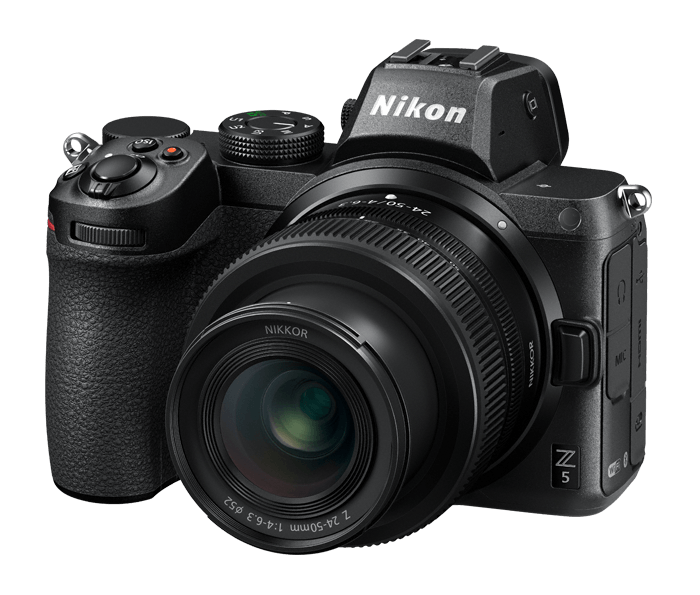
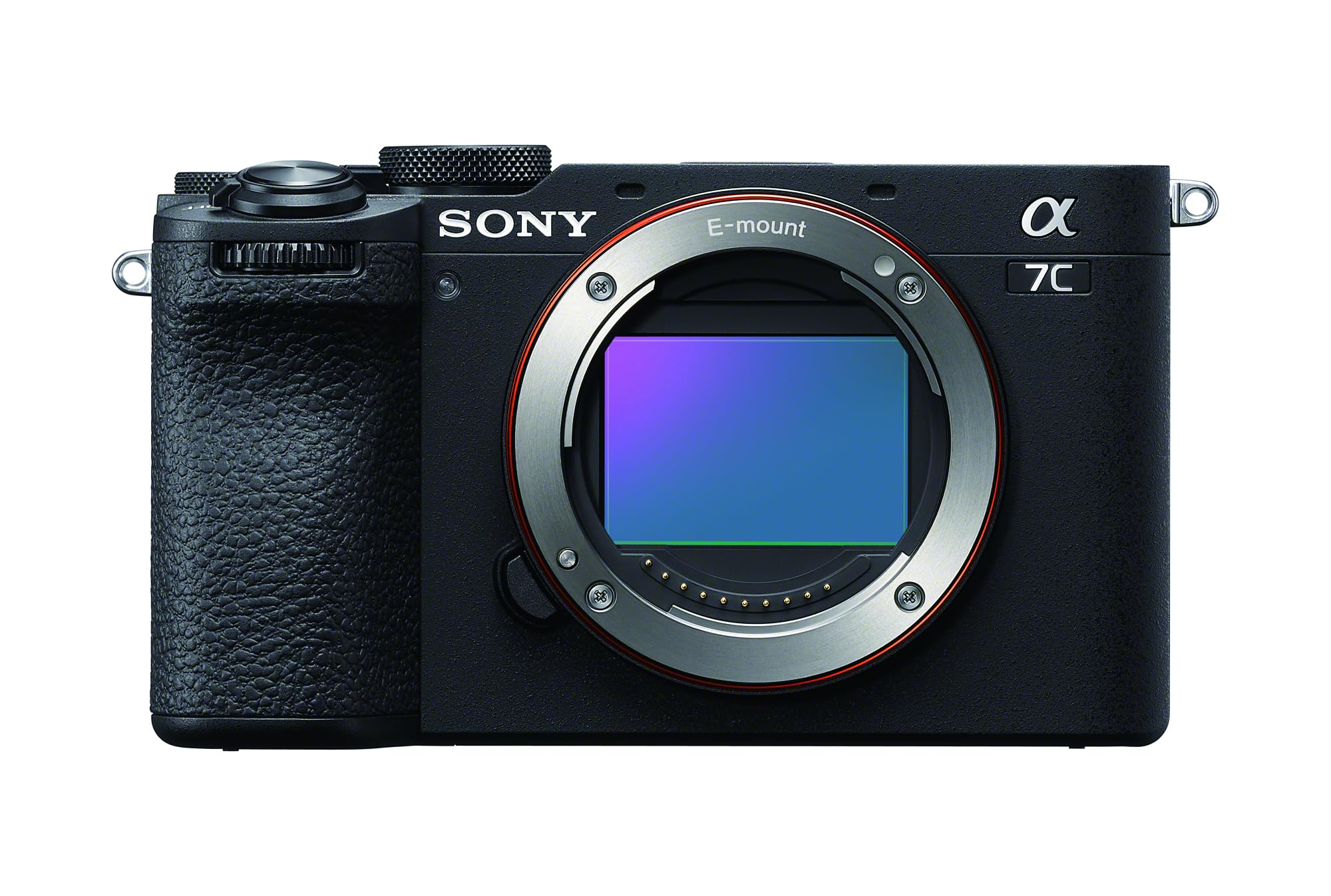
The Nikon Z5 and Sony A7C II are two popular options in the full-frame mirrorless camera market, catering to both enthusiasts and professionals looking for versatile and capable shooting tools. The Nikon Z5, released in 2020, provides a solid entry into full-frame photography, while the Sony A7C II, launched in 2023, builds on Sony's strong legacy in this category, offering advancements in technology and features. Buyers often compare these two due to their similar price points, full-frame sensors, and strong video capabilities, but they differ in key areas such as autofocus systems, video resolutions, and ergonomics.
Specifications Comparison
Detailed Comparison
Image Quality
When it comes to image quality, the Nikon Z5 features a 24-megapixel sensor, which delivers excellent detail and dynamic range, especially when shooting in RAW format. This camera's full-frame sensor allows for great low-light performance, with an ISO range that can be expanded up to 102400. On the other hand, the Sony A7C II boasts a higher resolution 33-megapixel sensor, producing images with finer detail and greater cropping flexibility. The A7C II also benefits from an improved ISO range that extends up to 204800, making it suitable for extremely low-light conditions.
In terms of color rendering and skin tones, both cameras produce pleasing results, but users often find that Nikon's colors are slightly warmer and more natural out of the box. In contrast, Sony cameras may require more tweaking in post-processing to achieve similar results. Additionally, the A7C II's newer processing technology helps in high ISO performance, reducing noise effectively at higher sensitivity levels.
Ultimately, while both cameras are strong in image quality, the A7C II's higher megapixel count gives it an edge for those who need maximum detail. However, for general photography and average use, the Z5 will adequately meet the needs of most users.
Autofocus System
The autofocus systems of both the Nikon Z5 and Sony A7C II are notable features. The Z5 includes a 273-point phase-detection autofocus system which, while effective for most scenarios, is outmatched by the more sophisticated system on the A7C II. Sony's latest offering comes with 759 autofocus points, providing superior tracking and fast acquisition, especially in dynamic scenes.
Moreover, the A7C II utilizes advanced subject detection algorithms, enhancing its ability to lock onto and follow subjects, which is especially beneficial for wildlife or sports photography where movement is a factor. The Z5, while capable, may struggle a bit in extremely fast-paced environments or when tracking moving subjects at times.
For those prioritizing action photography or videography where quick and accurate focus is paramount, the A7C II's autofocus system is a significant advantage. Overall, while both cameras provide excellent autofocus performance, the A7C II takes the lead owing to its more potent autofocus capabilities.
Video Capabilities
Video features are becoming increasingly important for many users, and both of these cameras offer solid capabilities. The Nikon Z5 can shoot 4K video at 30 frames per second, which is more than enough for standard videography needs. However, it does have a 1.7x crop factor when shooting in 4K, which may be a limitation for some users.
In contrast, the A7C II takes video capabilities a step further with support for 4K at up to 60 frames per second. This not only allows for higher frame rates but also offers a full-frame shooting experience without crop, enhancing the field of view. Additionally, the A7C II supports advanced features such as S-Cinetone color profiles for more cinematic footage and various log profiles for post-production flexibility.
For those focused on creating high-quality video content, whether for YouTube, films, or professional projects, the A7C II offers significant advancements that make it the better choice overall in the realm of video.
Build & Ergonomics
Both cameras are built to withstand the rigors of photography, featuring weather-sealing which allows them to perform in challenging environments. The Nikon Z5 has a slightly bulkier and heavier design at 675g compared to the A7C II's 514g, making it feel more substantial in hand, which some photographers may prefer for better handling.
The A7C II, being more compact, is designed with portability in mind, making it an excellent choice for travel or street photography. However, this compactness can lead to a smaller grip, which might not be comfortable for all users over extended periods of use. Both cameras offer electronic viewfinders, but the Z5 features a slightly larger screen size of 3.2 inches compared to the A7C II's 3 inches.
In terms of ergonomics, the handle and button layout on both cameras cater to accessibility, however, the stretched nature of the A7C II makes accessing certain buttons somewhat less intuitive for those used to traditional layouts. Ultimately, the choice may come down to personal preference regarding size and weight.
Battery & Storage
Battery life is a critical factor for many photographers, and in this regard, both cameras have solid performances. The Nikon Z5 offers a battery life of approximately 470 shots per charge, while the Sony A7C II slightly edges out with 540 shots. While the differences in battery life may not be significant for casual shooters, they can be crucial for those on extended shoots.
Both cameras utilize similar storage options, supporting SD cards, but Sony's A7C II has the additional advantage of faster write speeds, which can be particularly beneficial when dealing with high-resolution image files and 4K video recording.
Ultimately, while both cameras have reliable battery lives, the A7C II's marginally longer life combined with its faster processing capabilities might be seen as an advantage for professionals who require efficiency and longevity during shoots.
Value for Money
Price-wise, the Nikon Z5 is positioned as a more budget-friendly option at $1399, while the Sony A7C II comes in at $2200. The Nikon Z5 offers excellent image quality and performance for its price point, making it a strong contender for those who want a full-frame camera without breaking the bank. Those new to full-frame photography may find the Z5 to offer a solid entry point with its user-friendly interface and good overall performance.
However, for users who prioritize advanced features such as higher megapixels, superior autofocus, and video functionality, the A7C II may justify its premium price tag, particularly for professionals and serious enthusiasts. While the Nikon Z5 offers great value, the A7C II's advanced features could potentially deliver a higher return on investment for those who require them.
In terms of overall value, it comes down to what the user needs from their camera. If budget constraints are a primary consideration, the Z5 provides a very balanced package, whereas the A7C II represents a more premium investment with advanced features that cater to serious content creators.
Our Verdict
In summary, the Sony A7C II emerges as the overall winner in this comparison, primarily due to its advanced autofocus system, superior video capabilities, and longer battery life. While the Nikon Z5 offers fantastic image quality and great value for those on a budget, the A7C II stands out with features that cater more comprehensively to users who need high performance, especially in dynamic environments or video production. Both cameras have unique strengths, making each suitable for different types of photographers, but for those willing to invest more for cutting-edge features, the A7C II is the better all-around choice.
Nikon Z5
Sony A7C II
Also Compare
Frequently Asked Questions
Which camera is better for photography?
Both cameras are excellent, but the choice may depend on your specific needs. The Nikon Z5 is great for general photography and for those who enjoy warm color tones, while the A7C II offers higher resolution for more detailed shots, making it better for professionals who require higher fidelity.
Is the autofocus on the A7C II significantly better?
Yes, the A7C II has a superior autofocus system with 759 points compared to the Z5's 273 points, making it more effective for fast-moving subjects and dynamic shooting conditions.
Can I shoot 4K video with both cameras?
Yes, both cameras support 4K video. However, the A7C II offers up to 60p, providing more options for high frame rate video compared to the Z5, which maxes at 30p.
What about battery life?
The A7C II has a slight edge in battery life, rated at 540 shots per charge compared to the Z5's 470 shots. This can be a crucial factor for longer shooting sessions.
Which camera is more compact?
The Sony A7C II is more compact and lightweight compared to the Nikon Z5, making it more suitable for travel and street photography.
What kind of photography is each camera best suited for?
The Nikon Z5 is a versatile option ideal for landscape, portrait, and general photography, while the A7C II is well-suited for action, video, and professional use due to its advanced autofocus and video capabilities.