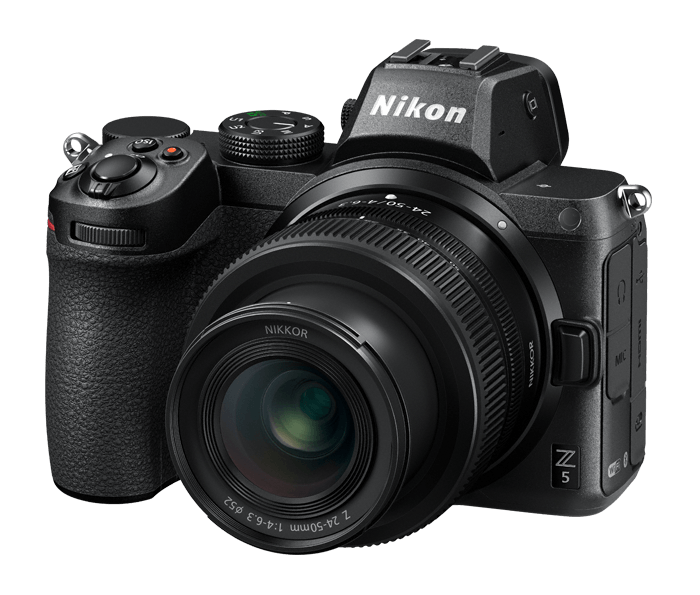
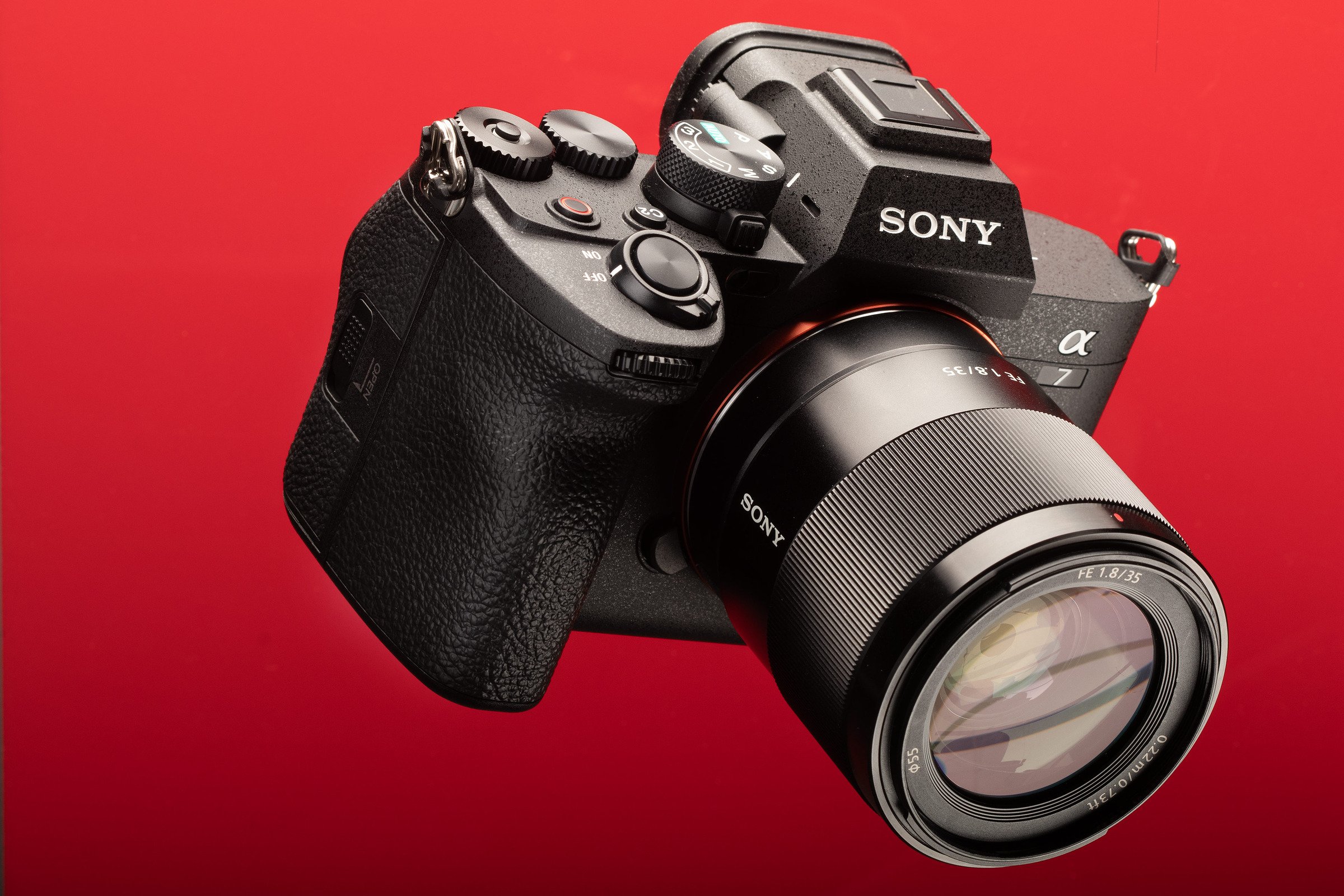
The Nikon Z5 and Sony A7 IV are two popular full-frame mirrorless cameras that cater to both amateur and professional photographers. Buyers often find themselves comparing these two models due to their similar target audiences, varying features, and price points. While the Z5 is designed for enthusiasts looking for a more affordable full-frame entry, the A7 IV appeals to those who want higher specifications and performance, often at a significantly higher investment. Understanding the key differentiators between these two cameras can help potential buyers determine which model better suits their shooting needs.
Specifications Comparison
Detailed Comparison
Image Quality
Both the Nikon Z5 and Sony A7 IV offer impressive image quality, thanks to their full-frame sensors. The Z5 features a 24-megapixel sensor, while the A7 IV has a higher resolution 33-megapixel sensor, allowing it to capture more detail. This can be particularly beneficial for landscape and portrait photographers who want to print larger images or crop in without losing clarity. Both cameras perform well in low-light conditions, with the Z5's ISO range extending to 102,400 and the A7 IV reaching up to 204,800, providing more flexibility for extreme low-light situations.
In terms of color reproduction and dynamic range, both models offer excellent results, but the A7 IV's additional megapixels may provide a slight edge when it comes to post-processing latitude. Additionally, the A7 IV's newer sensor technology generally handles noise better at higher ISOs. Overall, while the Z5 produces stunning images suitable for most scenarios, the A7 IV's superior resolution and noise performance make it the top choice for those prioritizing image quality.
Overall, if your primary focus is on achieving the utmost image quality with greater detail at both high and low ISO settings, the Sony A7 IV would be the winner in this category.
Autofocus System
When it comes to autofocus performance, the Sony A7 IV is equipped with a more advanced system, featuring 759 autofocus points compared to the Nikon Z5's 273 points. This extensive coverage allows for faster and more accurate focusing, particularly in dynamic shooting situations such as sports or wildlife photography. The A7 IV also benefits from Sony's renowned Real-time Eye Autofocus, which excels in tracking subjects' eyes, delivering impressive results in portrait photography and video recording.
On the other hand, while the Nikon Z5's autofocus system is competent for most shooting scenarios, it may struggle a bit in fast-moving situations compared to the A7 IV. Nevertheless, it still offers reliable performance for everyday photography and is sufficient for casual shooters who may not require the absolute precision of a high-end system.
In conclusion, whether you're shooting action, portraits, or general scenes, the Sony A7 IV's superior autofocus capabilities give it a significant advantage over the Nikon Z5.
Video Capabilities
The video capabilities of the Nikon Z5 and Sony A7 IV highlight their differences in target audiences. The Z5 supports 4K video at up to 30 frames per second, which is ideal for casual videographers and those who want to achieve great quality without the need for advanced features. However, it lacks features like advanced codecs and higher frame rates.
In contrast, the A7 IV offers 4K video recording at up to 60 frames per second, making it a better choice for serious videographers who require higher frame rates for smoother motion. The A7 IV also includes advanced video features such as S-Cinetone and 10-bit 4:2:2 internal recording, which give filmmakers greater flexibility in post-production.
Given the growing demand for high-quality video content, the Sony A7 IV stands out as the clear winner for video capabilities, providing features that cater to both professional and aspiring filmmakers.
Build & Ergonomics
Both the Nikon Z5 and Sony A7 IV boast solid build quality and weather-sealing for durability in challenging conditions. The Z5 has a slightly larger and bulkier design, measuring 134 x 101 x 70 mm and weighing 675 grams, which might appeal to those who prefer a more substantial camera body. Its grip is comfortable, mainly when using larger lenses.
In contrast, the A7 IV is lighter at 659 grams and has a more compact design, measuring 131 x 96 x 80 mm. This makes it more portable, especially for long shoots or travel photography. Some users may find the A7 IV's slightly smaller grip less comfortable for larger hands. However, both cameras offer touchscreen displays, though the Z5's screen is slightly larger at 3.2 inches compared to the A7 IV's 3 inches, providing comparable usability in various shooting environments.
Both are well-constructed, but overall preference may boil down to personal size and weight preference. Ultimately, this category is a bit subjective, where each offers what can appeal to different types of users.
Battery & Storage
The Nikon Z5 has an impressive battery life, rated at 470 shots per charge, which can serve the needs of a day of shooting without the need for frequent changes. This can be particularly beneficial for travel and landscape photographers who may not want to carry extra batteries. The Z5 uses an EN-EL15c battery, which is widely compatible with other Nikon models, making it convenient for existing Nikon users.
In comparison, the Sony A7 IV boasts a slightly better battery life of 580 shots, providing even more confidence for extended shoots. It uses the larger NP-FZ100 battery, which also powers other recent Sony cameras, offering versatility for those who already own Sony gear. Regarding storage, the A7 IV features dual card slots supporting CFexpress Type A and SD UHS-II, allowing for better management of high-resolution video and image captures and redundancy. In contrast, the Z5 has dual SD UHS-II card slots, but without the CFexpress support, potentially limiting its high-end video and burst shooting capabilities.
When considering battery life and storage options, the A7 IV takes the lead, offering longer usage between charges and more flexible storage solutions for professional applications.
Value for Money
Price is a significant distinguishing factor between the Nikon Z5 and Sony A7 IV. The Z5 is priced at $1,399, making it an attractive option for those seeking a full-frame mirrorless camera without breaking the bank. It hits a sweet spot for hobbyists and semi-professionals looking for quality without extensive features.
On the other hand, the A7 IV's price tag of $2,499 represents a considerable investment, but it reflects its advanced features such as higher resolution, better autofocus, enhanced video capabilities, and overall performance. For professionals who demand the best and are willing to invest in their gear, the A7 IV provides ample value for its price.
For casual shooters or those new to full-frame photography, the Nikon Z5 is a more affordable gateway into this category. However, for professionals or serious enthusiasts looking for a robust and feature-rich full-frame system, the A7 IV justifies its higher cost.
Lens Ecosystem
Both Nikon and Sony boast a wide array of lenses, but the advantages vary. The Sony E mount used by the A7 IV has a broader selection of lenses currently available, including high-quality wide-angle, telephoto, and specialty lenses designed to exploit the sensor's high resolution and advanced autofocus. Moreover, Sony's investment in its lens lineup ensures compatibility with upcoming releases, making it a future-proof choice for buyers.
In contrast, while Nikon's Z-mount lenses are steadily growing, they are newer to the market, and the total offering might be fewer in comparison to Sony's expansive lineup. However, Nikon's lenses are well-constructed, and many users appreciate their optical quality and compatibility with Nikon's older F-mount lenses via adapters.
Ultimately, those looking for a wide selection and future compatibility may find the Sony A7 IV a better choice due to its advanced lens ecosystem.
Our Verdict
The Sony A7 IV takes the overall crown as the more capable camera, excelling in image quality, autofocus, video capabilities, and lens ecosystem. While the Nikon Z5 offers excellent value for money and a solid performance in image quality and usability, it cannot compete with the advanced features of the A7 IV, particularly for professional users or those who require high-speed autofocus and better video capabilities. For hobbyists or those seeking a cost-effective entry into full-frame photography, the Z5 remains a compelling choice; however, for those willing to invest more for enhanced performance and flexibility, the A7 IV is the clear winner.
Nikon Z5
Sony A7 IV
Also Compare
Frequently Asked Questions
How does the image quality of the Z5 compare to that of the A7 IV?
While both cameras deliver excellent image quality, the A7 IV with its higher resolution sensor captures more detail and performs slightly better in low-light conditions due to its advanced sensor technology.
Which camera has better autofocus performance?
The Sony A7 IV outperforms the Nikon Z5 with its 759 autofocus points and superior tracking features, making it preferable for fast-moving subjects.
Is the Nikon Z5 suitable for video recording?
Yes, the Nikon Z5 is capable of recording 4K video at 30p, which is suitable for casual or semi-professional videography, but lacks the advanced video features found in the A7 IV.
What is the difference in battery life between the two cameras?
The Sony A7 IV has a slightly longer battery life at 580 shots compared to the Z5's 470 shots, making it more reliable for extended shooting sessions.
Which camera offers better value for money?
The Nikon Z5 offers a better value proposition for casual shooters or those entering the full-frame market, while the A7 IV's advanced features justify its higher price for professional users.