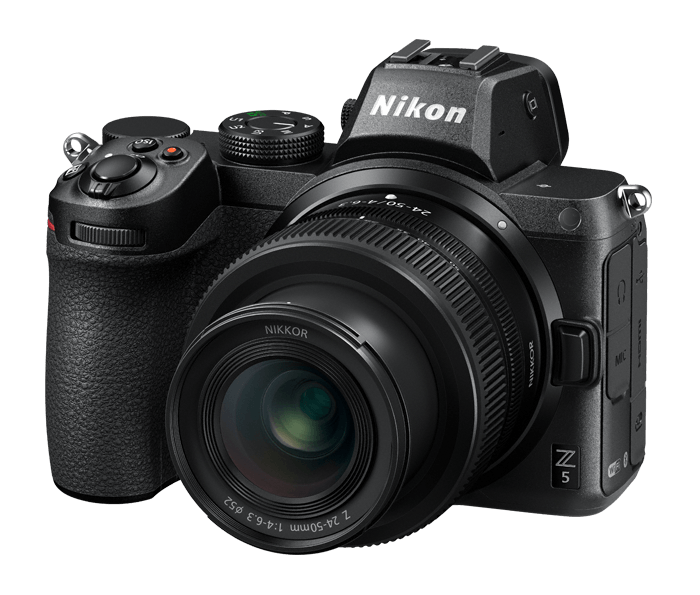
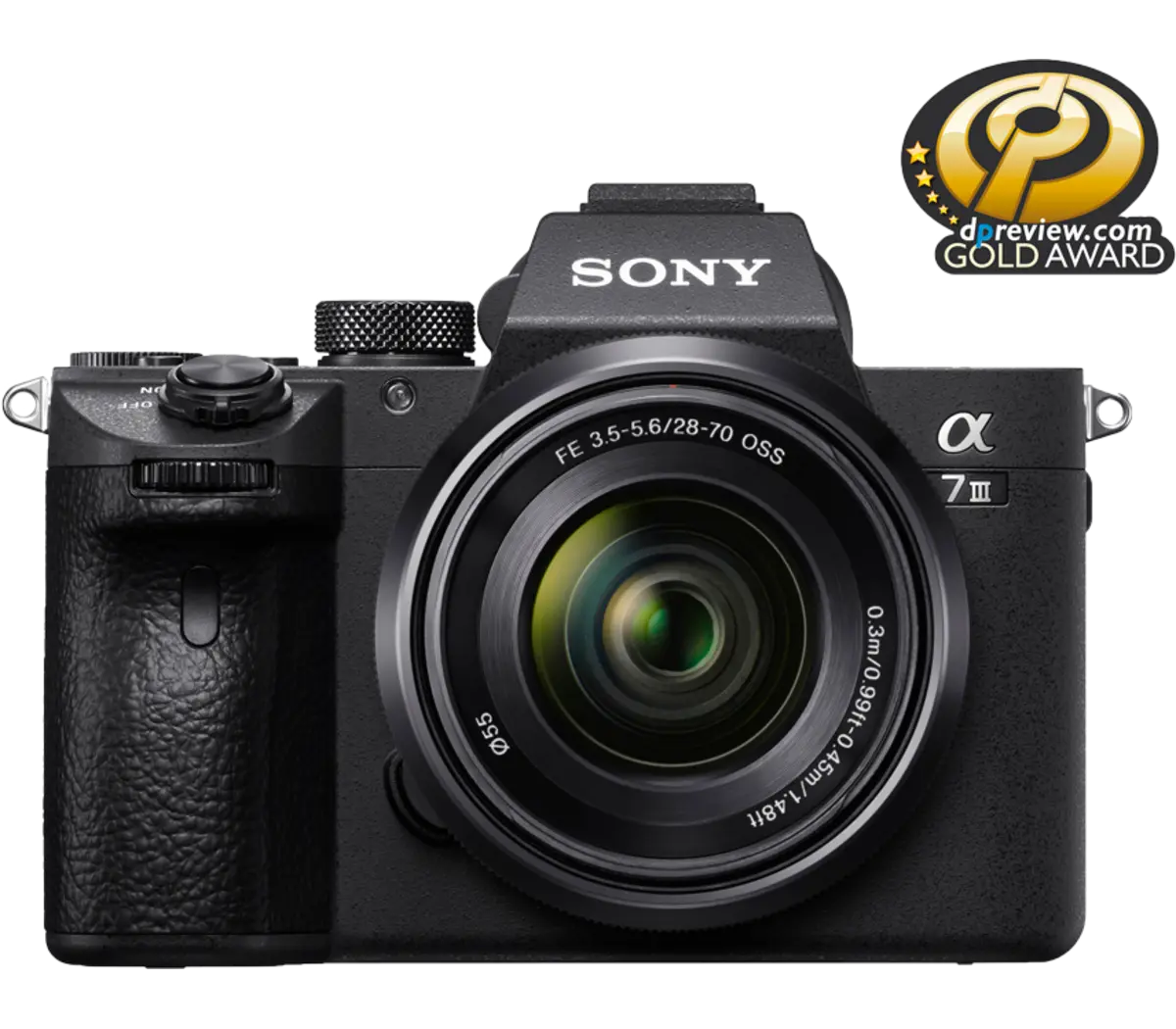
The Nikon Z5 and the Sony A7 III are two prominent full-frame mirrorless cameras frequently compared by photography enthusiasts and professionals alike. Both offer exceptional image quality and advanced features, which makes them appealing choices for both seasoned photographers and those transitioning from APS-C or point-and-shoot cameras. When choosing between the two, prospective buyers consider factors such as autofocus performance, video capabilities, build quality, overall ergonomics, battery life, and price, all of which highlight differences in user experience and value for money between the two systems.
Specifications Comparison
Detailed Comparison
Image Quality
Both the Nikon Z5 and Sony A7 III share a similar 24-megapixel full-frame sensor that delivers excellent image quality with vibrant colors and decent dynamic range. The Z5 benefits from Nikon's image processing algorithms, which provide a pleasing color rendition and cleaner high-ISO performance. On the other hand, the A7 III is renowned for its impressive low-light capabilities, allowing it to handle high ISO settings more effectively, resulting in less noise even at ISO 51200.
The Z5 has an expanded ISO range that goes down to 50 and up to 102400, but many users agree that the A7 III's images retain more detail and structured noise at higher ISO levels. While color science is subjective, many photographers have preferences regarding the tones rendered by each manufacturer's systems, with Nikon's colors often termed warmer and Sony's being seen as more neutral.
In day-to-day shooting, both cameras perform admirably, but the A7 III's superior handling of low-light environments can be a deciding factor for photographers who frequently shoot in such conditions. Therefore, when we consider image quality, especially in varied lighting, the A7 III slightly edges out the Z5.
Autofocus System
Focusing speed and accuracy are paramount for many photographers, and in this realm, the Sony A7 III reigns supreme. With 693 phase-detection autofocus points, it covers a substantial portion of the frame, which results in remarkably fast and reliable focusing, especially on moving subjects.
In contrast, the Nikon Z5 employs 273 autofocus points. While this is sufficient for many situations, it falls short of the A7 III's impressive system. Although the Z5 offers eye-detection AF, the coverage and responsiveness cannot quite match what the A7 III provides, particularly with fast-moving subjects. The A7 III also offers better tracking capabilities, making it the preferred choice for wildlife and sports photographers.
In summary, while both models provide functional autofocus capabilities, the A7 III's extensive and effective AF system makes it a more desirable option for those who require rapid and precise focusing.
Video Capabilities
Both the Nikon Z5 and Sony A7 III provide 4K video recording at 30p, catering to the needs of videographers. However, there are some notable differences in their video feature sets. The A7 III supports longer recording times without overheating, a critical point for serious video producers.
The Z5 brings unique features, including 4K recording across the full sensor width and the ability to record 10-bit N-Log profiles for enhanced post-production flexibility. However, it lacks certain professional features that the A7 III delivers, such as S-Log color profiles and advanced video autofocus options.
Given these factors, while both models are capable of delivering quality video, the A7 III has a more robust set of video features, making it better suited for dedicated videographers.
Build & Ergonomics
Both the Nikon Z5 and Sony A7 III feature robust weather-sealed bodies ideal for outdoor shooting. The Z5 weighs slightly more at 675 grams compared to the A7 III's 650 grams, but both cameras are compact and well-designed for comfortable hand-holding.
The Z5 has a larger grip that might appeal to users with bigger hands, while the A7 III has a slightly smaller form factor. The Z5's 3.2-inch screen with 1,040,000 dots offers greater resolution compared to the A7 III's 3-inch, 921,600 dot display, leading to sharper previews and easier manual focusing.
Ultimately, the choice between the two might depend more on personal preference regarding ergonomics and feel, as both provide solid tactile experiences and functionality, resulting in a tie in this aspect.
Battery & Storage
Battery life is a crucial factor when choosing a mirrorless camera due to their generally higher consumption rates. The Sony A7 III has a battery life rated at approximately 710 shots per charge, which is superior to the Nikon Z5's 470 shots. This extended battery performance of the A7 III can be particularly beneficial for photographers on long shoots or in remote locations where charging might not be feasible.
In terms of storage, both cameras support dual memory cards, which provide options for redundancy or separating RAW and JPEG files. The A7 III's dual card slots allow for CFexpress and SD cards, which may facilitate faster write times due to the compatibility with both types. Meanwhile, the Z5 uses SD UHS-II cards, which are plenty fast for its capabilities but may lack the same speed and capacity as CFexpress.
Given the clear advantage in battery performance, the Sony A7 III takes this category.
Value for Money
In terms of price, the Nikon Z5 is positioned at a more accessible point of $1399, making it an attractive option for photography enthusiasts who want a full-frame camera without breaking the bank. It offers great value considering its robust features and solid performance, especially for those not needing the advanced capabilities of a more premium model.
Conversely, the Sony A7 III is priced at $2000, reflecting its extensive feature set, superior autofocus, and better video capabilities. For professionals and serious videographers who can capitalize on these features, the investment may well be worth it. However, for casual users or those new to full-frame photography, this investment may be challenging to justify.
Overall, if one looks strictly at features relative to cost, the Z5 offers exceptional value, particularly for those who prioritize affordability alongside good performance, making it the winner in this category.
Our Verdict
In conclusion, while both the Nikon Z5 and Sony A7 III have their respective strengths, the Sony A7 III is the overall winner due to its superior autofocus system, better video capabilities, and extended battery life. However, the Z5 holds its ground with competitive image quality and excellent value, making it a strong contender for photographers looking for a budget-friendly full-frame option. Ultimately, serious professionals and those who require advanced features and performance will find the A7 III better meets their needs, while enthusiasts may find the Z5 to be an ideal fit for their photography journey.
Nikon Z5
Sony A7 III
Also Compare
Frequently Asked Questions
Which camera has better low-light performance?
The Sony A7 III excels in low-light conditions due to its superior high-ISO performance, providing cleaner images with less noise compared to the Nikon Z5.
Is the Nikon Z5 an ideal choice for beginners?
Yes, the Nikon Z5 offers great image quality and ease of use, paired with a more affordable price point, making it suitable for beginners entering full-frame photography.
How does the autofocus compare for action photography?
The Sony A7 III has a far more advanced autofocus system, making it superior for action photography with faster focusing and better tracking of moving subjects.
Which camera is better for videography?
The Sony A7 III is better for videography enthusiasts due to its longer recording time and advanced video features, making it more suitable for professional use.