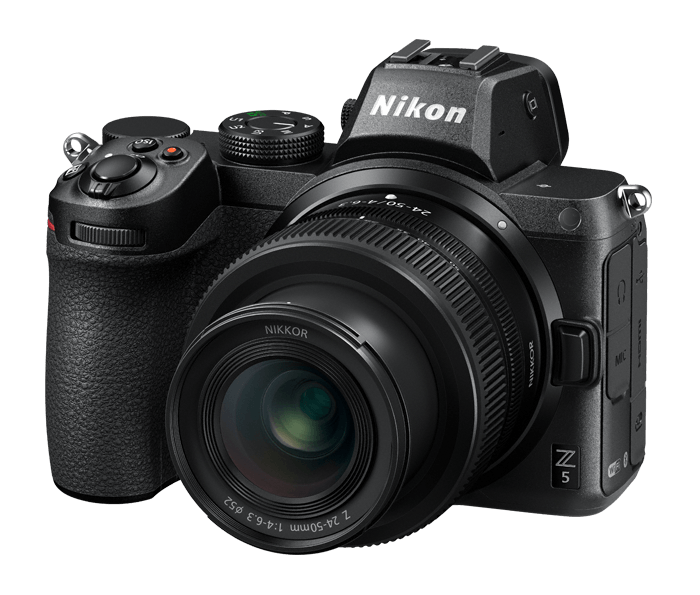
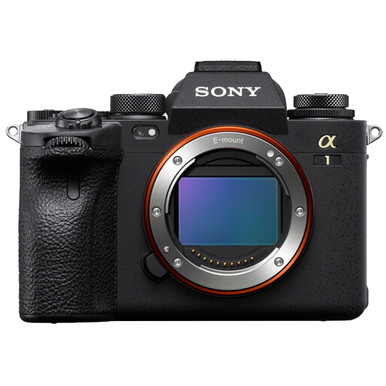
The Nikon Z5 and Sony A1 are two full-frame mirrorless cameras that cater to different segments of photographers and videographers. While the Nikon Z5 is often viewed as an entry-level full-frame offering, the Sony A1 stands out as a flagship model boasting high-end features and specifications. Many buyers may find themselves comparing these two models due to their capabilities in image quality, autofocus performance, and videography potential. The key differentiators lie in their megapixel counts, video resolutions, autofocus points, and overall price point.
Specifications Comparison
Detailed Comparison
Image Quality
The Nikon Z5 features a 24-megapixel full-frame sensor, which is well-suited for a range of photography styles, providing excellent dynamic range and color accuracy. It performs admirably in mid to low-light conditions, thanks to its ISO range of 100-51200 (expandable to 50-102400). On the other hand, the Sony A1 has a superior 50-megapixel sensor, allowing for extremely high-resolution images with more detail and the ability to crop without significant loss of quality. With a higher pixel count, it offers better performance when printing large format images or for commercial usage.
Both cameras also provide impressive low-light capabilities, with their ISO capabilities extending up to 102400. The A1's higher-resolution sensor naturally leads to increased noise in low-light scenarios, but its advanced image processing algorithms help mitigate this issue. However, the Nikon Z5 remains less prone to noise at higher ISO settings, making it slightly favorable for those who prioritize low-light performance. Overall, both cameras produce exceptional image quality, but the Sony A1 takes the lead for those needing maximum resolution and detail.
Autofocus System
Autofocus is a critical factor for capturing sharp images, especially in dynamic environments. The Nikon Z5 features a reliable 273-point autofocus system, which delivers solid performance for everyday photography and even some action shots. However, the sophistication of its autofocus is relatively basic compared to its competitor.
In contrast, the Sony A1 boasts an impressive 759 autofocus points, covering a larger area of the frame and making it excel in tracking fast-moving subjects. The A1's real-time Eye autofocus, which can track the eyes of humans and animals, has revolutionized portrait and wildlife photography. The advanced software and hardware integration in the A1 allows it to lock focus quickly and maintain it even in challenging conditions. For photographers who often shoot action, wildlife, or need precise focusing, the A1 is the clear winner in this category.
Video Capabilities
When it comes to video features, the Sony A1 really shines. It supports 8K video recording at 30p and 4K recording at up to 120p, making it an excellent choice for video professionals or creators looking for high frame rates and high-resolution video. It offers extensive video codecs and professional functionalities like S-Log and HDR recording, making it versatile for different filming scenarios.
On the other hand, the Nikon Z5 is limited to 4K video at 30p. While it provides good quality video output suitable for casual filmmaking, it lacks the high frame rates and advanced options that the Sony A1 offers, which is essential for more serious video work. Thus, for videographers who require the latest technology and the best output quality, the A1 is the better choice.
Build & Ergonomics
Both cameras are designed with durability and usability in mind. The Nikon Z5 is weather-sealed, which provides a level of weather resistance, making it suitable for outdoor photography. Its design is comfortable for extended use, with a slightly larger grip than the A1. Additionally, the Z5 features a fully articulating touchscreen, beneficial for vlogging and composing shots at unconventional angles.
Conversely, the Sony A1, while also weather-sealed, is slightly heavier and bulkier, which some users may find less convenient over long shooting sessions. However, it has a high-resolution electronic viewfinder and more advanced button layout for quick access to settings, which professionals may find beneficial. Ultimately, while both cameras are well-built, the choice comes down to personal preference regarding ergonomics - the Z5 may be preferable for casual use, whereas the A1 is designed for those who need speed and efficiency.
Battery & Storage
Battery life can be a critical factor, especially for professionals on long shoots. The Nikon Z5 offers a respectable battery life of approximately 470 shots per charge, which is adequate for a full day of shooting for casual users. The camera also supports dual SD card slots, making it easier to manage storage space during long shoots.
The Sony A1 outperforms the Z5 in battery life, providing around 530 shots per charge. It also supports dual card slots but uses the newer CFexpress Type A cards for faster data writing, which is beneficial for high-speed continuous shooting and 8K video recording. Photographers should consider their storage and battery needs based on their shooting style - frequent travelers or event shooters may find the A1's options more suitable.
Value for Money
Value perception is inherently subjective and closely tied to a photographer's needs. The Nikon Z5 is priced at around $1399, making it a reasonably priced entry into the full-frame mirrorless world with excellent image quality, a robust build, and good functionalities for both photography and casual videography. It's ideal for enthusiasts transitioning from crop sensors to a full-frame experience.
In contrast, the Sony A1 comes with a hefty price tag of $6500, targeting professionals who require advanced features, including high-resolution imaging and superior autofocus. While it is undoubtedly a premium option, the added cost can be justified through its exceptional performance and capabilities. Ultimately, for those on a budget or looking for a comprehensive full-frame solution, the Z5 offers much quality for the price, whereas the A1 represents an investment for serious professionals.
Our Verdict
In summary, both the Nikon Z5 and Sony A1 serve their respective markets effectively. The A1 is the clear winner in autofocus, video, and overall performance; its price reflects its target as a professional-grade camera. Meanwhile, the Z5 excels in value for money and offers adequate performance for those looking for a reliable, high-quality full-frame experience without the premium price tag. Ultimately, buyers should assess their specific needs carefully; those seeking advanced features and higher resolution may opt for the A1, while those looking for solid performance at a more accessible price may feel more at home with the Z5.
Nikon Z5
Sony A1
Also Compare
Frequently Asked Questions
Which camera is better for low-light photography?
The Nikon Z5 is better for low-light photography due to its lower megapixel count, which results in less noise at higher ISO settings compared to the Sony A1.
Is the Sony A1 worth the extra cost?
If you are a professional or require the highest resolution, advanced autofocus, and superior video capabilities, the A1 justifies its higher price with its advanced features.
How do the video features compare between the two?
The Sony A1 has significantly better video capabilities, supporting up to 8K recording and high-frame-rate 4K, whereas the Z5 is limited to 4K 30p.
What is the battery life difference between the two cameras?
The Sony A1 has slightly better battery life, rated at 530 shots per charge compared to the Nikon Z5's 470 shots.
Which camera has a better autofocus system?
The Sony A1 has a superior autofocus system with 759 points and advanced tracking capabilities, making it better for action photography.