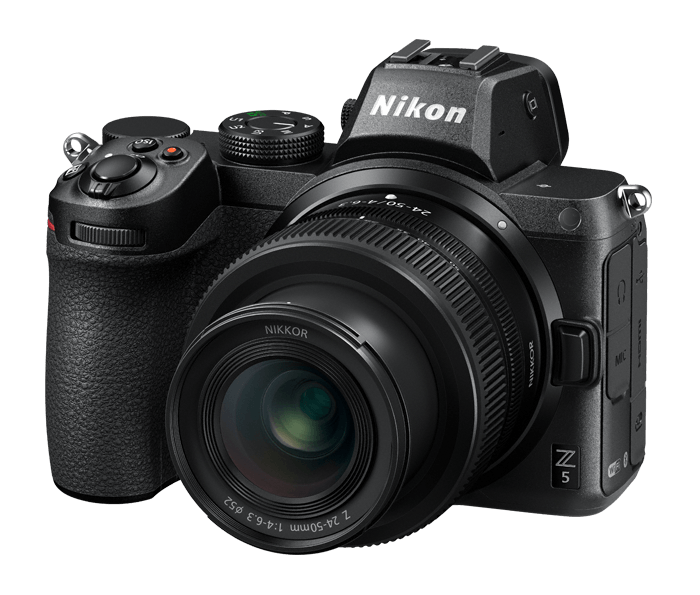
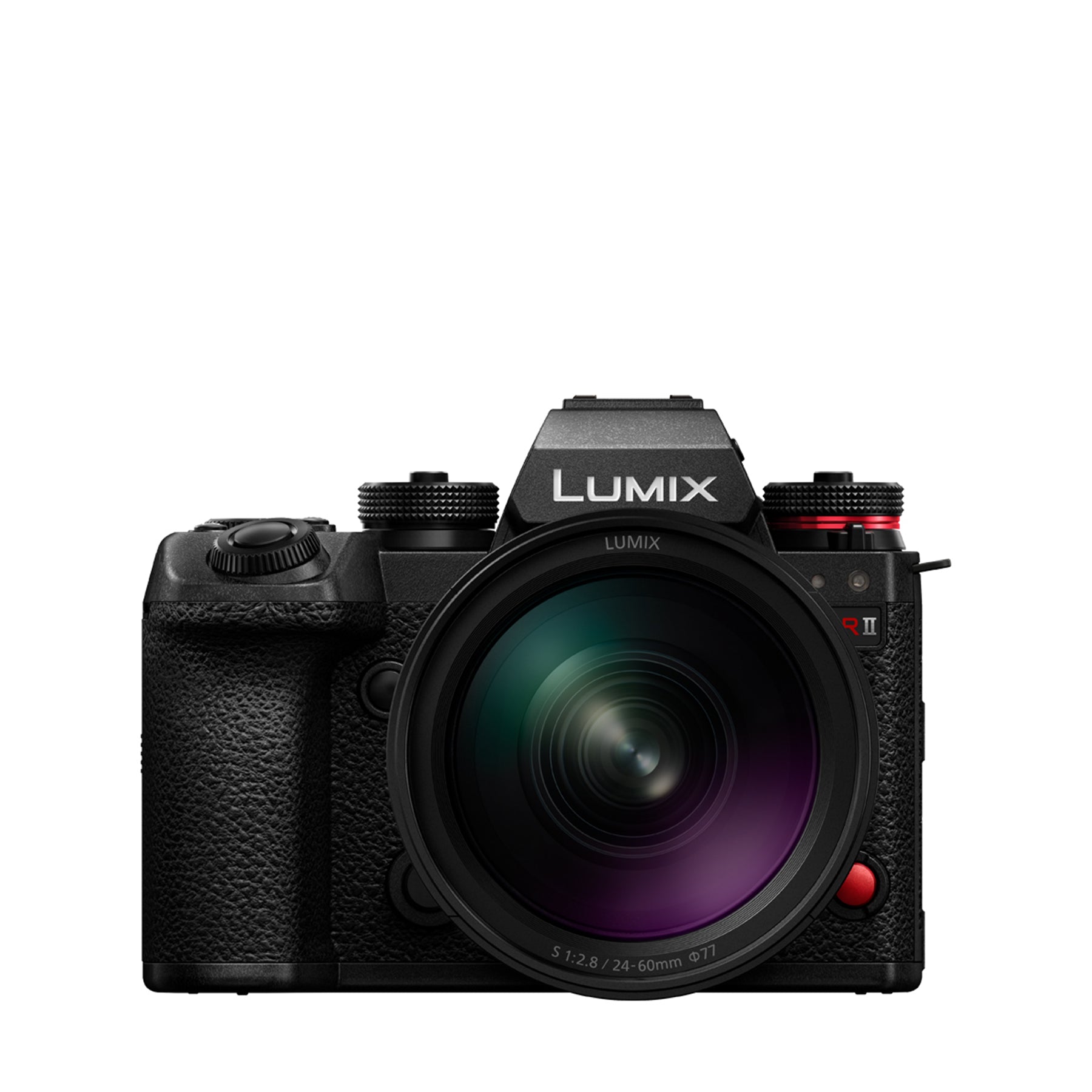
The Nikon Z5 and Panasonic S1R II are two compelling full-frame mirrorless cameras widely compared by photographers seeking a blend of quality and performance. Both cameras cater to different segments of the market; the Z5 appeals to enthusiasts with its solid specifications and competitive pricing, while the S1R II targets advanced users with its high resolution and 8K video capabilities. Potential buyers are often torn between the Z5's lighter build and enhanced battery life versus the S1R II's superior image quality and advanced video features.
Specifications Comparison
Detailed Comparison
Image Quality
Image quality is one of the most critical aspects when choosing between the Nikon Z5 and the Panasonic S1R II. The Z5 features a 24-megapixel full-frame sensor, which provides excellent low-light performance and sufficient resolution for most photography needs. On the other hand, the S1R II boasts a much higher 44.3-megapixel sensor, allowing for exceptional detail and dynamic range, particularly useful for large prints and extensive cropping. While the Z5 generates clean images at high ISO settings with noise well managed up to ISO 51200, the S1R II's larger pixel count lets it maintain sharpness and clarity, particularly in bright conditions. This makes the S1R II the better choice for those prioritizing high-resolution imagery.
Autofocus System
Autofocus performance is a crucial consideration for many photographers, especially those shooting fast-moving subjects. The Nikon Z5 features 273 autofocus points, which enables reliable tracking and accurate focus acquisition. Its autofocus system performs admirably in various lighting conditions and provides a decent experience for both still photography and video capture. Meanwhile, the Panasonic S1R II, while not specifying the number of autofocus points, utilizes a sophisticated contrast-detection system that benefits professional use. It offers rapid focus acquisition, especially beneficial in dynamic shooting scenarios. Although the S1R II is highly capable, the Z5's autofocus system may provide more versatility for general use and is especially beneficial for such tasks as wildlife or sports photography, leading to a more user-friendly experience.
Video Capabilities
When it comes to video capabilities, the Panasonic S1R II significantly outshines the Nikon Z5. The S1R II offers advanced video options, including 8K at 30p and 4K at 120p, appealing to serious videographers and multimedia creators. These formats deliver greater flexibility and creative possibilities for high-quality video production. Conversely, the Z5 is limited to 4K at 30p, which, while still decent, may fall short for users looking for more robust video functionalities. Additionally, the S1R II's higher bitrate and color depth contribute to superior post-processing flexibility, especially crucial for creators working on professional projects.
Build & Ergonomics
Both the Nikon Z5 and Panasonic S1R II are designed for durability and comfortable use, featuring weather-sealed bodies. The Z5 is lighter at 675 g and has a more compact size, which could appeal to travel photographers and those who prefer a less bulky camera. It also sports a comfortable grip, enhancing ergonomics for longer shooting sessions. In contrast, the S1R II emphasizes robust build quality with a larger body, offering a more substantial feel. While this can be ideal for long-term outdoor use, it may not be as convenient for casual daily use or travel. Ultimately, ergonomics will come down to personal preference; some users may prefer the Z5's smaller profile while others may favor the heft of the S1R II.
Battery & Storage
The Z5 offers commendable battery life, rated at approximately 470 shots per charge, which is suitable for extended shooting sessions without the constant worry of changing batteries. In contrast, the S1R II does not specify battery life figures, but users often report a comparable performance, particularly when considering its larger battery capacity. Both cameras support dual card slots, enhancing storage capabilities significantly. However, the Z5's lighter weight may make it more favorable for long sessions without the encumbrance of heavy equipment. Therefore, while both cameras are equipped adequately for professional work, the Z5's longevity in battery life gives it a slight edge.
Value for Money
Price is often a decisive factor for many buyers in the camera market. The Nikon Z5 is priced at $1399, offering a well-rounded set of features that cater to enthusiasts without breaking the bank. Its robust performance in various shooting conditions makes it an attractive option for those looking for a capable yet affordable option. In contrast, the S1R II carries a significantly higher price tag due to its advanced features, primarily its high-resolution sensor and enhanced video capabilities. For professional photographers requiring the utmost image quality and video performance, this investment can be worth it. However, for those who may not need such high specifications, the Z5 provides greater value overall.
Our Verdict
Both the Nikon Z5 and Panasonic S1R II have distinct strengths that cater to different user needs, but the overall winner here is the Panasonic S1R II due to its superior image quality and advanced video capabilities. Photographers seeking high-resolution images and outstanding video performance will find the S1R II an unbeatable choice. However, the Nikon Z5 proves to be an excellent value for enthusiasts, particularly for those who prioritize portability, battery life, and a more budget-friendly option. Ultimately, the decision should be based on individual preferences and specific photography or videography requirements.
Nikon Z5
Panasonic S1R II
Also Compare
Frequently Asked Questions
Which camera is better for low-light photography?
Both cameras perform well in low-light situations; however, the Z5 provides excellent usability at high ISOs up to 51200. Yet, the S1R II's high resolution allows for more detailed captures, making it suitable for low-light work.
Is the Nikon Z5 suitable for professional use?
Yes, while the Nikon Z5 is targeted at enthusiasts, its features enable it to cater to professional needs, particularly for photography. However, if video capabilities are a priority, the S1R II would be stronger.
How do the lenses compare for each system?
Both Nikon and Panasonic offer a range of lenses compatible with their respective systems. Nikon provides a robust selection of Z lenses, while Panasonic has an extensive Lumix S lens lineup. The choice often comes down to specific lens requirements for a given shooting style.
Can the Nikon Z5 record 4K video?
Yes, the Z5 can record 4K video at 30p, making it a good option for videographers in need of decent video quality without expecting advanced features such as high frame rates.
What are the key differences in weight and size?
The Nikon Z5 is lighter at 675 g and offers a more compact size, making it easier to carry on long shoots. In contrast, the S1R II has a more substantial build, which may suit those preferring a heavier camera.