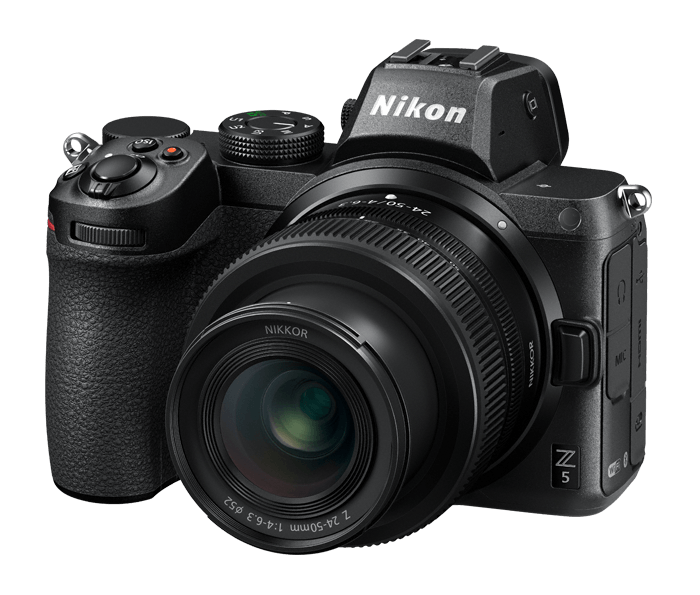
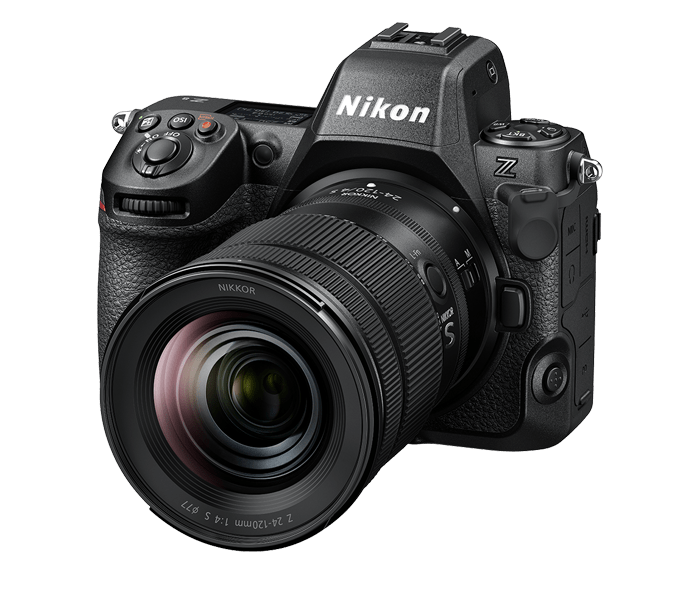
The Nikon Z5 and Nikon Z8 are two full-frame mirrorless cameras that cater to different types of photographers. The Z5, released in 2020, is often sought after by enthusiasts looking for an affordable entry into full-frame photography without compromising too much on performance. On the other hand, the Z8, launched in 2023, targets professionals and advanced users who need cutting-edge features and top-tier specifications. As both cameras reside in Nikon's Z-series lineup, potential buyers often find themselves weighing the benefits of each to determine which model best suits their needs.
At first glance, significant differentiators between these models include sensor resolution, burst shooting capability, video frame rates, and overall build quality. The Z8 boasts a higher megapixel count and advanced video options favored by content creators while the Z5 provides an excellent balance of performance and cost, making it a compelling option for casual shooters or those on a budget. Understanding these differences is key for prospective buyers in making their decision depending on their photographic style and requirements.
Specifications Comparison
Detailed Comparison
Image Quality
The Nikon Z5 features a 24-megapixel sensor which, while sufficient for most photographic needs, does not match the Z8's impressive 46-megapixel sensor. This difference in resolution means the Z8 can capture finer details, making it ideal for landscape photographers and anyone looking to produce large prints. Additionally, with comparable full-frame sensor sizes, both cameras offer excellent image quality in low-light conditions despite differing ISO ranges.
While both cameras produce great results, the higher pixel density and improved light-gathering capabilities of the Z8 provide a more versatile performance in various lighting situations. Furthermore, the Z8's advanced processing engine optimizes images for both sharpness and color fidelity, contributing to an overall superior image quality when pushed to high ISO settings.
Ultimately, for photographers who prioritize maximum detail and image quality, the Z8 is the clear winner. Yet, the Z5 still performs admirably and may be more than adequate for everyday photography, especially with realistic expectations regarding print sizes and cropping needs.
Autofocus System
When it comes to autofocus capabilities, the Nikon Z8 shines with its 493 autofocus points, compared to the Z5's 273. This means that the Z8 offers more precise tracking and flexibility when focusing, which is especially beneficial for fast-moving subjects such as wildlife or sports photography. Furthermore, the Z8 includes advanced features such as subject detection and enhanced low-light autofocus, giving it a substantial edge over the Z5's older system.
Although the Z5's autofocus system is competent for most recreational shooting scenarios and includes Eye-AF capabilities, it lacks the sophistication and speed found in the Z8. Photographers relying on accuracy and rapid firing will find the Z8 more beneficial in dynamic environments where keeping up with moving subjects is crucial. This makes the Z8 the preferred choice for professional sports and wildlife photographers who require reliable and swift autofocus performance.
Therefore, while the Z5 holds its own for general use, the advanced autofocus system of the Z8 truly sets it apart, making it the winner in this category.
Video Capabilities
The Nikon Z8 is designed with video recording in mind, offering 4K video at up to 120 frames per second, which provides incredible slow-motion capabilities and high frame-rate options that are invaluable for videographers. In contrast, the Z5 is limited to 4K at 30 frames per second. The Z8's ability to capture high-bit-rate video in N-Log and raw formats further enhances its allure for professionals creating cinematic content.
Additionally, the stabilization offered in the Z8 (6 stops) surpasses the Z5's 5 stops, providing smoother video recording even without a tripod. These advancements in video capabilities make the Z8 an attractive option for filmmakers and content creators who require the best performance in moving imagery.
In summary, for those serious about video, the Z8 wins decisively with its superior specs and performance, while the Z5 may suffice for casual video use but lacks the professional-grade features.
Build & Ergonomics
Both the Nikon Z5 and Z8 feature a weather-sealed body, making them suitable for outdoor photography in challenging conditions. However, the Z8 is slightly bulkier and heavier at 910 grams compared to the 675 grams of the Z5. While the added weight of the Z8 can provide a more stable grip, it might be a consideration for photographers looking for a more compact solution for travel or walk-around shooting.
In terms of ergonomics, both cameras come with a similar 3.2-inch LCD screen, but the Z8 offers a higher resolution of 2,088,960 dots versus the Z5's 1,040,000 dots. This improves on-screen detail which is essential for critical focusing in both photography and video scenarios. The Z8 also has more customizable buttons and dials, which might appeal to professional users who prefer personalized control layouts.
Overall, while the Z5 provides excellent ergonomics for its size, the build quality and additional features of the Z8 are upgraded for a more professional experience, making it the better choice for those needing superior controls and robust construction.
Battery & Storage
The Nikon Z5 has a notable advantage regarding battery life with a rated capacity of approximately 470 shots per charge, compared to the Z8's 340 shots. For photographers who spend long hours shooting without the opportunity to recharge, the Z5's extended battery life can be a significant factor. This can be particularly beneficial in situations like weddings, events, or long-day shoots where changing batteries may not be possible.
Both cameras use the same battery type, but the Z8 also supports newer memory card technologies, including CFexpress Type B, allowing for quick read and write speeds which are essential for high-resolution video and rapid burst shooting. This could be vital for professionals needing fast workflow, especially when dealing with large files.
However, in a direct comparison based on battery performance alone, the Z5 emerges as the winner in this category, as the longer battery life is typically more advantageous for general usage scenarios.
Value for Money
At a price point, the Nikon Z5 comes in at $1399, making it significantly more affordable for amateur photographers or enthusiasts who want to enter the full-frame world without breaking the bank. The features it offers justify this price, including solid image quality, reasonable autofocus, and decent video capabilities for everyday use. It's a great balance for many users who prioritize cost alongside performance.
On the other hand, the Nikon Z8 is priced at $3999, reflecting its professional-level features such as high-resolution sensor, advanced video capabilities, and superior autofocus system. While this price point may be justified for many advanced users seeking top performance and features, it may be too steep for casual shooters or those just starting.
In essence, the Z5 offers unbeatable value for beginners or enthusiasts, whereas the Z8, though premium priced, serves a more niche market requiring professional capabilities. Therefore, for overall value, the Z5 stands out significantly.
Our Verdict
While the Nikon Z5 holds its ground in several categories, ultimately, the Nikon Z8 emerges as the overall winner due to its superior specifications, particularly in areas such as image quality, autofocus performance, and video capabilities, making it an ideal choice for professional photographers and videographers. The Z8's advanced features justify its higher price point for those who need the best performance. However, for general consumers, hobbyists, or those on a budget, the Z5 remains an excellent option providing much value without sacrificing too much in terms of performance. Ultimately, the choice depends on each user's specific needs - if you're seeking the highest quality and are willing to invest, go for the Z8; for excellent performance at a more accessible price, the Z5 is the smart pick.
Nikon Z5
Nikon Z8
Also Compare
Frequently Asked Questions
Which camera is better for beginners?
The Nikon Z5 is better suited for beginners due to its lower price, sufficient features for typical photography needs, and excellent battery life.
Can the Nikon Z5 shoot in low light conditions?
Yes, the Z5 can shoot effectively in low light conditions, but the Z8 offers better performance with its higher megapixels and improved ISO range.
Is the Z8 worth the extra cost?
If you require high-resolution images, advanced video capabilities, and a more sophisticated autofocus system, the Z8's features justify the higher price.
What is the weight difference between the two cameras?
The Nikon Z8 weighs 910 grams, while the Z5 weighs 675 grams, making the Z5 significantly lighter which may be advantageous for portability.
Do both cameras have similar build quality?
Yes, both the Z5 and Z8 are weather-sealed and designed for durability, but the Z8 offers additional ergonomic enhancements suitable for professional use.