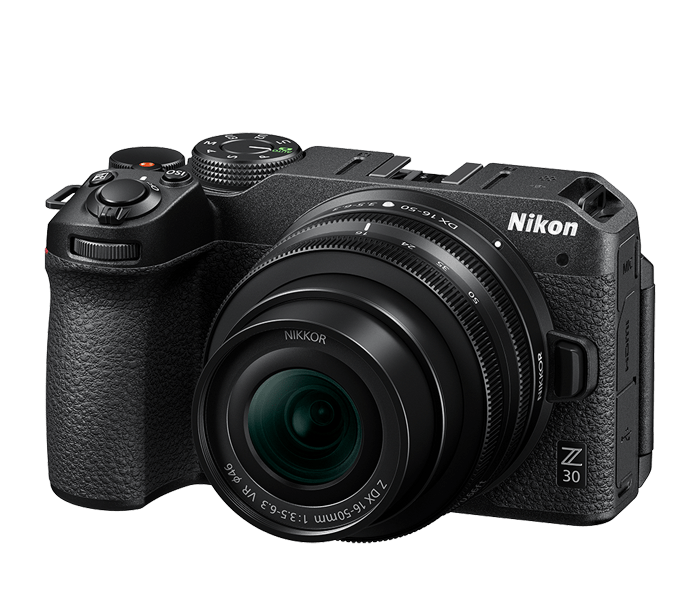

The Nikon Z30 and the Sony ZV-E10 II are two popular mirrorless cameras designed for content creators, vloggers, and photographers looking for reliable performance in a compact form factor. Both models feature APS-C sensors, 4K video capabilities, and advanced autofocus systems, making them appealing choices for budding filmmakers and photographers alike. However, the differences in specifications and features can significantly impact the user experience, influencing the decision between the two cameras.
Potential buyers often weigh factors such as megapixel count, autofocus efficiency, video performance, and ergonomics against their specific needs-whether capturing high-resolution stills, engaging in vlogging, or producing professional-grade video content. The key differentiators that may tip the scales include resolution, video frame rates, autofocus capabilities, and price. Understanding these elements will help users choose the right camera to match their creative pursuits.
Specifications Comparison
Detailed Comparison
Image Quality
The Nikon Z30 features a 21-megapixel APS-C sensor, which offers a solid balance of detail and dynamic range suitable for various lighting conditions. With an ISO range of 100 to 51,200 (expandable to 204,800), it excels in low-light environments, although extremely high ISO settings can introduce some noise. In contrast, the Sony ZV-E10 II boasts a higher resolution with a 26-megapixel sensor, providing finer detail and greater cropping flexibility. Its ISO range of 100 to 32,000 (expandable to 50-102,400) also performs well in low light, with slightly better noise control at higher ISO levels compared to the Nikon.
In practical applications, both cameras can capture vibrant images, but the ZV-E10 II's higher resolution can be advantageous for more demanding projects, especially when detail is critical. The difference in megapixels may matter more to professional users or those who print large formats, while the Z30 remains competitive and reliable for everyday photography needs.
Overall, the ZV-E10 II's superior resolution gives it an edge for image quality, making it better suited for detail-oriented photographers.
Autofocus System
Focusing speed and accuracy are paramount for both still photography and videography. The Nikon Z30 boasts 209 focus points, allowing for decent subject tracking and focusing performance, which is adequate for casual shooting scenarios. However, it lacks some advanced features found in its competitors.
On the other hand, the Sony ZV-E10 II shines in this department, equipped with 759 autofocus points that cover a wider area of the frame. This means more reliable tracking of moving subjects, particularly useful for vlogging where subjects may change positions rapidly. The autofocus technology in Sony's system also includes Real-Time Eye autofocus, enhancing its performance for both human and animal subjects.
Considering that the ZV-E10 II provides superior tracking capabilities and more advanced autofocus features, it is the clear winner for users who prioritize quick and accurate focus in dynamic environments.
Video Capabilities
Both cameras excel in video recording, but there are distinct differences that could influence your choice depending on your videography needs. The Nikon Z30 can shoot 4K video at a maximum of 30 frames per second, which is adequate for most entry-level video projects and vlogs but may be limiting for those looking to create fast-paced content requiring higher frame rates.
In comparison, the Sony ZV-E10 II takes video performance a step further by supporting 4K video up to 60 frames per second. This higher frame rate allows for smoother motion recording and greater flexibility in post-production when creating slow-motion effects. Both cameras lack in-body stabilization, which may require the use of external gimbals or stabilization software, especially if shooting handheld.
Given the ZV-E10 II's ability to record at 60fps in 4K, it proves to be the superior choice for content creators focused on high-quality video production and smooth playback.
Build & Ergonomics
When evaluating build quality, both cameras offer weather-sealed designs, giving users peace of mind while shooting in varying environmental conditions. The Nikon Z30 weighs 405g and has dimensions of 128 x 74 x 60 mm, providing a sturdy yet compact handling experience.
Conversely, the Sony ZV-E10 II is slightly lighter at 377g and features smaller dimensions of 121 x 68 x 54 mm. This reduction in size and weight may make it more comfortable for extended periods of use, particularly for vloggers who carry their camera for long durations. Both models feature a fully articulating screen tailored for vlogging, allowing for easy framing and monitoring during video capture.
Thus, while both cameras are similar in durability, the ZV-E10 II's lighter and slightly more compact design gives it a tactical advantage for on-the-go filming.
Battery & Storage
The Nikon Z30 boasts a battery life capable of around 330 shots per charge, which is fairly moderate for a mirrorless camera. It uses the Nikon EN-EL25 battery, which is sufficient for casual shooting but might require additional batteries during prolonged shooting sessions, especially for video.
In comparison, the Sony ZV-E10 II's battery provides an even greater longevity in real-world usage, also rated for approximately 440 shots per charge. This advantage is crucial for content creators who may not have immediate access to charging facilities during shoots. Additionally, both cameras support SD cards for storage, but the ZV-E10 II supports UHS-II cards, allowing for faster read/write speeds and better efficiency during high-resolution video recording.
In this aspect, the ZV-E10 II earns the upper hand thanks to its superior battery life and faster storage capabilities, making it better suited for intensive video and photography sessions.
Value for Money
When considering the price points, the Nikon Z30 comes at a more approachable price of $710, which makes it an attractive option for beginners and those seeking a reliable, budget-friendly mirrorless camera. Although it has a lower resolution and fewer advanced features, it remains a solid investment for casual photographers and entry-level video creators.
In contrast, the Sony ZV-E10 II is priced at $1000, positioning it towards a more premium segment. While it includes advanced features and specifications, the price may be a barrier for some potential buyers, especially those who may not need the higher resolution or enhanced video capabilities.
Ultimately, if budget is a primary concern, the Nikon Z30 offers exceptional value for users who don't require the extreme capabilities of the ZV-E10 II. However, for those who can justify the investment, the advanced features of the ZV-E10 II provide substantial returns in terms of performance and capabilities.
Our Verdict
In the overall comparison between the Nikon Z30 and the Sony ZV-E10 II, the latter emerges as the better choice for most users, especially for those focused on video production with its higher resolution, superior autofocus system, and enhanced video capabilities. The Z30 is a strong contender for budget-conscious consumers looking for solid entry-level performance in photography and video. However, the more advanced features of the ZV-E10 II help justify its price tag, making it a worthwhile investment for serious content creators and photographers seeking professional-quality results.
Nikon Z30
Sony ZV-E10 II
Also Compare
Frequently Asked Questions
Which camera is better for vlogging?
The Sony ZV-E10 II is better for vlogging because of its 4K 60p video capabilities, superior autofocus, and lightweight design, which are ideal for capturing high-quality video and easily managing the camera.
Is the extra cost of the Sony ZV-E10 II justified?
Yes, if you need higher resolution images, advanced autofocus features, and better video options, the investment in the ZV-E10 II is justified for content creators who require these capabilities.
Does the Nikon Z30 perform well in low light?
Yes, the Nikon Z30's ISO range of up to 204,800 allows it to perform decently in low-light situations, although the noise may become noticeable at the highest settings.
Can I use external microphones with both cameras?
Yes, both the Nikon Z30 and Sony ZV-E10 II include inputs for external microphones, which is great for enhancing audio quality during video recording.
Do both cameras have interchangeable lenses?
Yes, the Nikon Z30 uses the Nikon Z mount and the Sony ZV-E10 II uses the Sony E mount, both allowing for a range of interchangeable lenses based on user needs.