
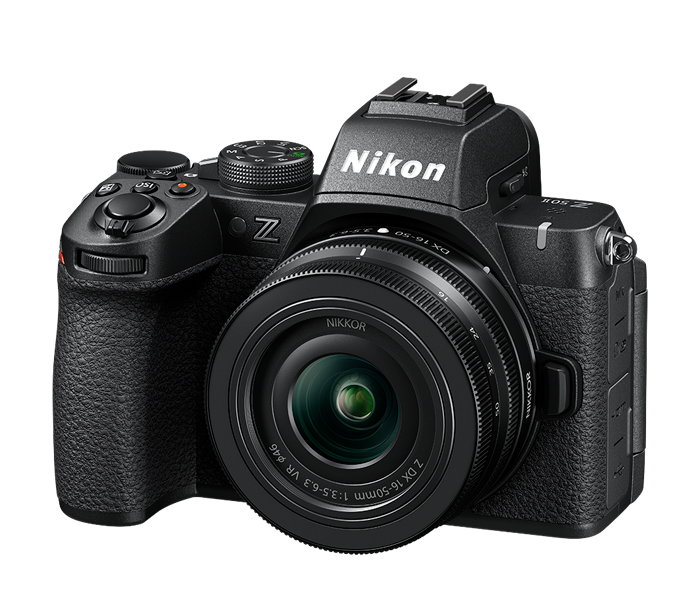
The Fujifilm X100VI and Nikon Z50II are two popular choices among photography enthusiasts looking for compact and capable cameras. The X100VI, with its advanced features and iconic design, is often sought after for street photography and everyday use. On the other hand, the Z50II appeals to users interested in a versatile mirrorless system that can handle various types of photography, including portraits and landscapes. With an inclination towards portability and image quality, these two cameras are frequently compared by potential buyers deciding on their next investment.
Key differentiators between the two include sensor resolution, autofocus capabilities, video features, and overall build quality. The X100VI steps ahead with a higher megapixel count and a hybrid viewfinder, while the Z50II offers a more traditional electronic viewfinder with the advantage of being part of a larger lens ecosystem. Both cameras are designed for different kinds of photographers, making understanding their unique strengths crucial for making an informed decision.
Specifications Comparison
Detailed Comparison
Image Quality
Image quality is a crucial aspect for photographers, and in this comparison, the Fujifilm X100VI stands out with its impressive 40-megapixel APS-C sensor, compared to the Nikon Z50II's 21 megapixels. The higher resolution of the X100VI allows for greater detail capture, making it ideal for large prints or cropping without sacrificing quality. Moreover, the X100VI features an extended ISO range from 64 to 51,200, providing better flexibility in low-light situations. The Z50II shares a commendable ISO range of 100 to 51,200, but its lower megapixel count means less detail capture in similar conditions.
Additionally, the X100VI benefits from Fujifilm's renowned film simulations and color science, offering unique aesthetic options directly in-camera. While the Z50II produces excellent images as well, it does not have the same breadth of options for creative color rendering. Real-world tests show that the X100VI tends to deliver richer colors and more accurate tonal ranges, making it particularly appealing to users focused on image quality. Overall, the Fujifilm X100VI leads in image quality based on resolution, color reproduction, and low-light performance.
Autofocus System
Both the Fujifilm X100VI and Nikon Z50II feature impressive autofocus systems, but they differ significantly in complexity and performance. The X100VI is equipped with 425 autofocus points, which enables a higher degree of precision and responsiveness, especially in tracking moving subjects. This can be particularly beneficial for street photographers trying to capture fast-paced action. The Z50II, while it possesses a capable 231-point autofocus system, doesn't match the coverage or responsiveness of its competitor, which may affect focusing speed in challenging lighting conditions.
Moreover, the X100VI includes features like face detection and eye tracking, which are particularly useful for portrait photography, ensuring sharp focus on the subject's eyes. The Z50II does offer face detection, but it may not be as reliable as Fujifilm's implementation due to its lesser number of autofocus points. The autofocusing speed in both cameras is commendable, with each capable of shooting at a maximum of 11 frames per second. However, due to its superior autofocus capabilities, the winner in this category is the Fujifilm X100VI.
Video Capabilities
In terms of video capabilities, both cameras are reasonably potent but serve different niches. The Fujifilm X100VI is designed primarily as a photographic tool with limited video functionality, offering only 4K recording at 30fps and lacking advanced features like in-body stabilization. This can be a limitation for videographers looking for smooth footage or sophisticated video options.
Contrastingly, the Nikon Z50II, while also limited in video features, offers 4K video recording up to 30fps and does include some advantages like slightly better heat management due to its design, making it more reliable for longer recording sessions. Both cameras lack in-body stabilization, making handheld shooting a bit challenging for video work. Overall, for users seeking a camera primarily for video purposes, while neither excels, the Nikon Z50II has a slight edge due to its design catering more broadly to video usability.
Build & Ergonomics
When it comes to build quality and ergonomics, the two cameras follow different philosophies. The Fujifilm X100VI boasts a compact design with a sleek body and a retro aesthetic. It features a hybrid viewfinder that combines an electronic and optical viewfinder, allowing for flexibility depending on the shooting situation. The camera is slightly heavier at 521g but this weight can be attributed to its robust materials and solid construction. Additionally, the hand grip and button layout on the X100VI are designed for comfortable handling during extended shoots.
Conversely, the Nikon Z50II, while heavier at 550g, is ergonomically designed with a deeper grip that may feel more comfortable in larger hands. Ultimately, it includes weather sealing, a significant advantage for outdoor photographers who encounter various weather conditions. The Z50II's design, with a fully electronic viewfinder and slightly larger screen (3.2 inches vs. 3 inches), may appeal to users who favor modern interfaces. Both cameras are well-built, but the decision may come down to personal preferences regarding aesthetics and handling comfort. That being said, the Z50II edges out in this regard due to its weather-sealed body.
Battery & Storage
Battery life is crucial for photographers spending long days shooting without the chance to recharge. The Fujifilm X100VI outperforms the Nikon Z50II in this aspect with a respectable 450 shots per charge compared to the Z50II's 250 shots. This increased battery capacity is a noticeable advantage for users looking to shoot throughout the day, especially during events or trips where charging options may be limited.
Storage compatibility also plays a role in usability; both cameras utilize SD card formats, but the X100VI is rated for UHS-I cards while the Z50II is compatible with the faster UHS-II, which offers improved write speeds for video recording and burst photography. This can be a consideration for heavy users of continuous shooting or high-resolution video. Overall, while the X100VI provides greater battery endurance, the Z50II allows for faster data handling with superior storage capabilities. Despite the Z50II's advantages in storage, the overall winner in this category remains the X100VI due to its significantly better battery life.
Value for Money
Both the Fujifilm X100VI and Nikon Z50II are priced competitively, yet they target different user bases with their respective offerings. The X100VI is priced at $1599, which reflects its advanced photographic capabilities, high resolution, and premium build quality. For serious photographers, the unique features and image quality justify the higher cost, making it a valuable investment for those who prioritize photographic excellence.
On the other hand, the Nikon Z50II, with a price of around $999, presents a more budget-friendly option that still delivers solid performance, especially for those entering the mirrorless realm. Its combination with the Nikon Z-mount system can appeal to those wanting to invest in a growing ecosystem of lenses and accessories. Given the price difference, the Z50II offers excellent value for those needing a capable camera without fully committing to high-end pricing. In terms of overall value, while the X100VI excels in features and capabilities, the Z50II presents what may be better value for users on a budget or casual photographers looking for quality without breaking the bank. Therefore, this category can be seen as a tie, depending on the buyer's needs and budget.
Our Verdict
Overall, the Fujifilm X100VI stands out as the winner in this comparison, particularly for those who prioritize image quality, autofocus performance, and battery life. Its unique features, such as the hybrid viewfinder and ergonomic design, make it attractive for street photography and everyday use. However, the Nikon Z50II remains a strong contender, especially for those who need a capable mirrorless system with weather sealing and a more budget-conscious approach. Depending on individual photography needs and preferences, either camera could serve a photographer admirably, but the X100VI ultimately offers a superior package for serious enthusiasts.