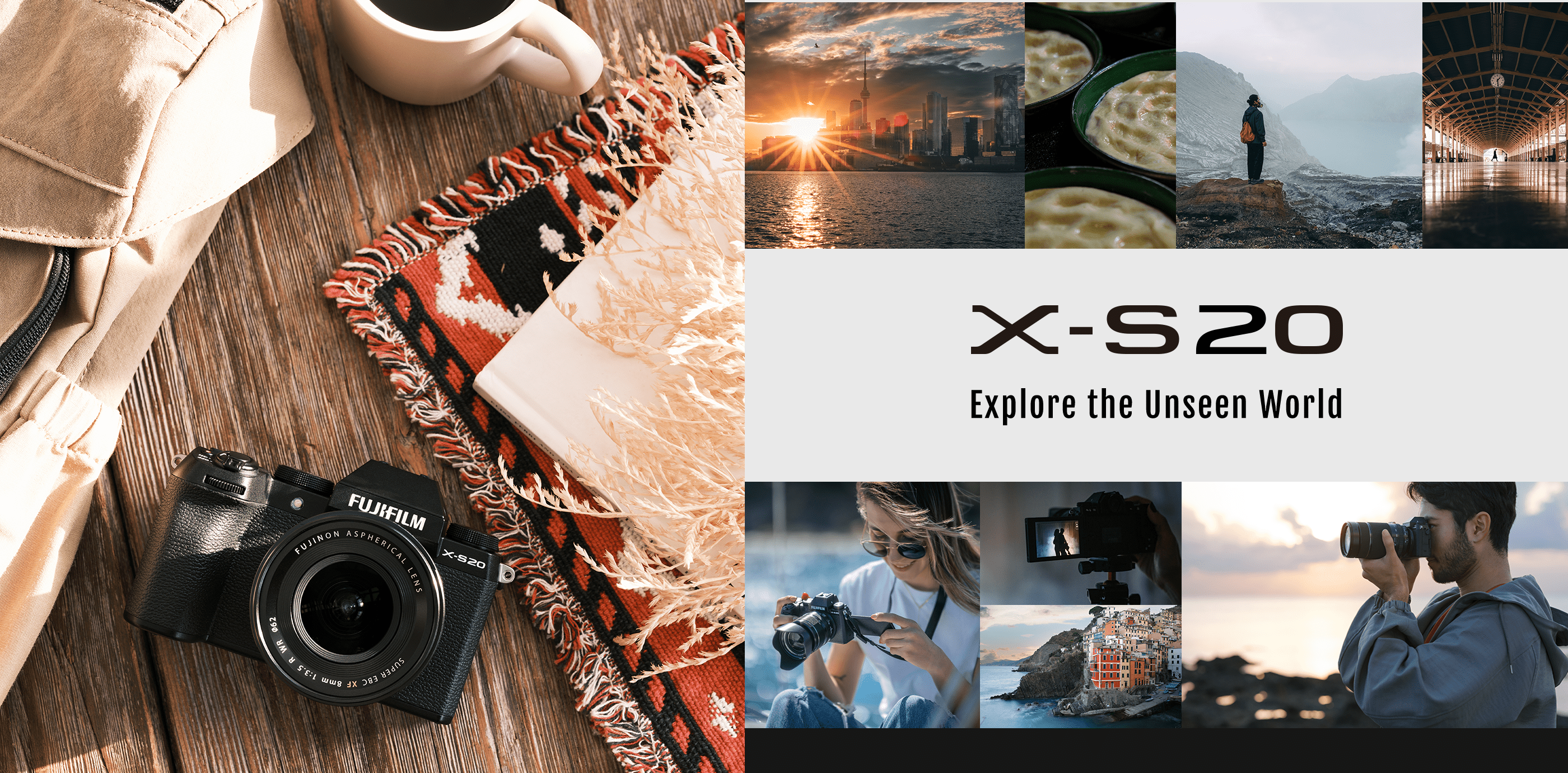
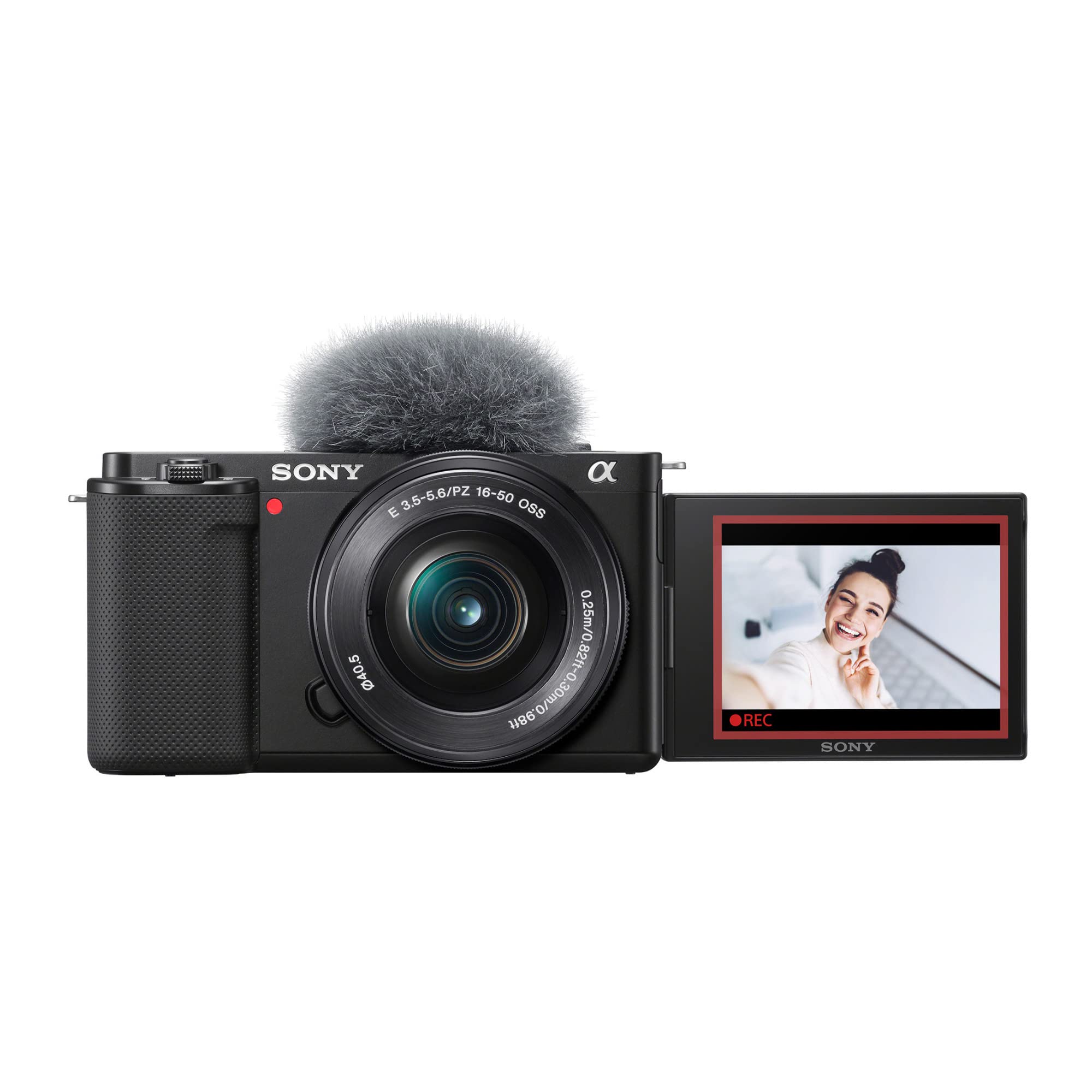
The Fujifilm X-S20 and Sony ZV-E10 are two APS-C mirrorless cameras that appeal to both amateur photographers and vloggers alike. While the X-S20 is positioned as a more versatile option with advanced capabilities, the ZV-E10 focuses on content creation with user-friendly features. Buyers typically find themselves considering these cameras for their combination of image quality, autofocus performance, and video recording capabilities, making the decision process nuanced based on personal use cases. Key differentiators between the two include the feature set, build quality, and price point, which could sway consumers one way or the other based on their specific needs and budget constraints.
Specifications Comparison
Detailed Comparison
Image Quality
In terms of image quality, both the Fujifilm X-S20 and Sony ZV-E10 utilize APS-C sensors, but the X-S20 has a slight edge with its 26-megapixel resolution compared to the ZV-E10's 24 megapixels. This difference translates into finer detail capture and more flexibility for cropping in post-production. Furthermore, the X-S20 offers a wider ISO range that starts at 160 and goes up to 12800, expandable to 51200, allowing for better low-light performance compared to the ZV-E10's 100-32000 range. This makes the X-S20 a better choice for diverse shooting conditions. Additionally, Fujifilm's renowned color science contributes vibrant and film-like colors, enhancing the overall image aesthetic. While the ZV-E10 produces high-quality images suitable for most contexts, the Fujifilm X-S20 stands out in scenarios needing exceptional detail and color accuracy.
Autofocus System
Both cameras feature advanced autofocus systems with 425 points, making them equally proficient in focusing speed and accuracy. However, the Fujifilm X-S20 benefits from newer and more refined autofocus algorithms, especially under challenging conditions, such as low light or fast-moving subjects. Moreover, the X-S20 is equipped with features like Face Detection and Eye AF, which are crucial for portrait photography and vlogging. In contrast, while the ZV-E10 also includes reliable autofocus performance, it may lack some of the advanced tracking features found in the X-S20. For users who need consistent and accurate focus, particularly in video or dynamic environments, the X-S20 demonstrates superior performance.
Video Capabilities
The video capabilities showcase clear differences between the two models. The Fujifilm X-S20 clearly surpasses the Sony ZV-E10 by offering 4K video recording at up to 60 frames per second, making it appealing for filmmakers and those wanting high-quality video content. The ZV-E10, while aimed at vloggers, is limited to 1080p at 24fps, which might not meet the needs of users seeking 4K video production. The X-S20's advanced features, such as in-body stabilization delivering 7 stops of shake compensation, enhances handheld shooting, making it ideal for dynamic video projects. Additionally, it captures 10-bit recording formats, allowing for greater flexibility in post-production. The ZV-E10 may appeal to casual shooters, but for serious videographers, the Fujifilm X-S20 offers a more robust feature set.
Build & Ergonomics
The Fujifilm X-S20 is slightly larger and heavier at 491g, providing a more solid feel in hand which can be beneficial for prolonged shooting sessions. Its electronic viewfinder is another advantage, allowing users to compose shots accurately under various lighting conditions. Furthermore, the X-S20's screen boasts a higher resolution of 1,840,000 dots versus the 920,000 dots of the ZV-E10, ensuring precise image reviewing. That said, the ZV-E10's compact design at 343g makes it a more portable option, appealing for content creators on the go. Both have 3-inch touchscreens, but the difference in resolution can impact user experience. Ultimately, while the X-S20 offers a more robust build and features, the lightweight design of the ZV-E10 is beneficial for those prioritizing portability.
Battery & Storage
When it comes to battery life, the Fujifilm X-S20 stands out with a capacity of up to 750 shots per charge compared to the ZV-E10's 440 shots. This is particularly valuable for photographers and videographers who spend long days shooting or recording without frequent access to a power source. Additionally, both models use SD cards for storage; however, the X-S20's higher video resolution and image quality may require larger and faster cards, which should be factored into overall user experience and cost. However, the ZV-E10 may benefit those who shoot shorter segments or plan to frequently transfer files to a computer, making it easier for quick edits.
Value for Money
Price is a significant factor in evaluating these two models, with the Fujifilm X-S20 being priced at $1299 compared to the ZV-E10's more accessible $700. For budget-conscious consumers or those looking for a capable camera for casual use or vlogging, the ZV-E10 offers impressive performance at a lower price point. However, the X-S20 justifies its higher price through its superior specifications, including 4K video, better image quality, and additional features. Ultimately, the choice may depend on the buyer's expectations for quality versus budget constraints; for professional applications, the investment in the Fujifilm X-S20 is likely worth the additional cost.
Our Verdict
Overall, the Fujifilm X-S20 emerges as the winner in this comparison, showcasing superior image quality, video capabilities, and autofocus performance, making it ideal for serious photographers and videographers. However, the Sony ZV-E10 still holds appeal, particularly for beginner content creators and budget-conscious buyers who seek a reliable camera for general use at a more accessible price. In summary, the choice should reflect one's specific needs: the X-S20 for those aiming for versatility and high performance, and the ZV-E10 for those seeking convenience and affordability.
Fujifilm X-S20
Sony ZV-E10
Also Compare
Frequently Asked Questions
Which camera is better for low-light photography?
The Fujifilm X-S20 is better for low-light photography due to its wider ISO range and higher resolution, allowing it to capture more detail and maintain image quality in dim lighting.
Is the additional cost of the Fujifilm X-S20 justified?
The additional cost of the Fujifilm X-S20 is justified for users seeking advanced features like 4K video, superior autofocus, and enhanced image quality, which can make a significant difference in professional settings.
Which camera is better for vlogging?
While both cameras can be used for vlogging, the Fujifilm X-S20 has superior video capabilities, including 4K recording and stabilization, making it the better choice for serious vloggers.
Can the Sony ZV-E10 produce good photos?
Yes, the Sony ZV-E10 can produce good quality photos, especially for casual use. However, it may not match the detail and color fidelity of the Fujifilm X-S20.
How important is the electronic viewfinder?
The electronic viewfinder in the Fujifilm X-S20 is important for composing shots accurately, especially in bright conditions or for precise focusing, making it a valuable feature for serious photographers.