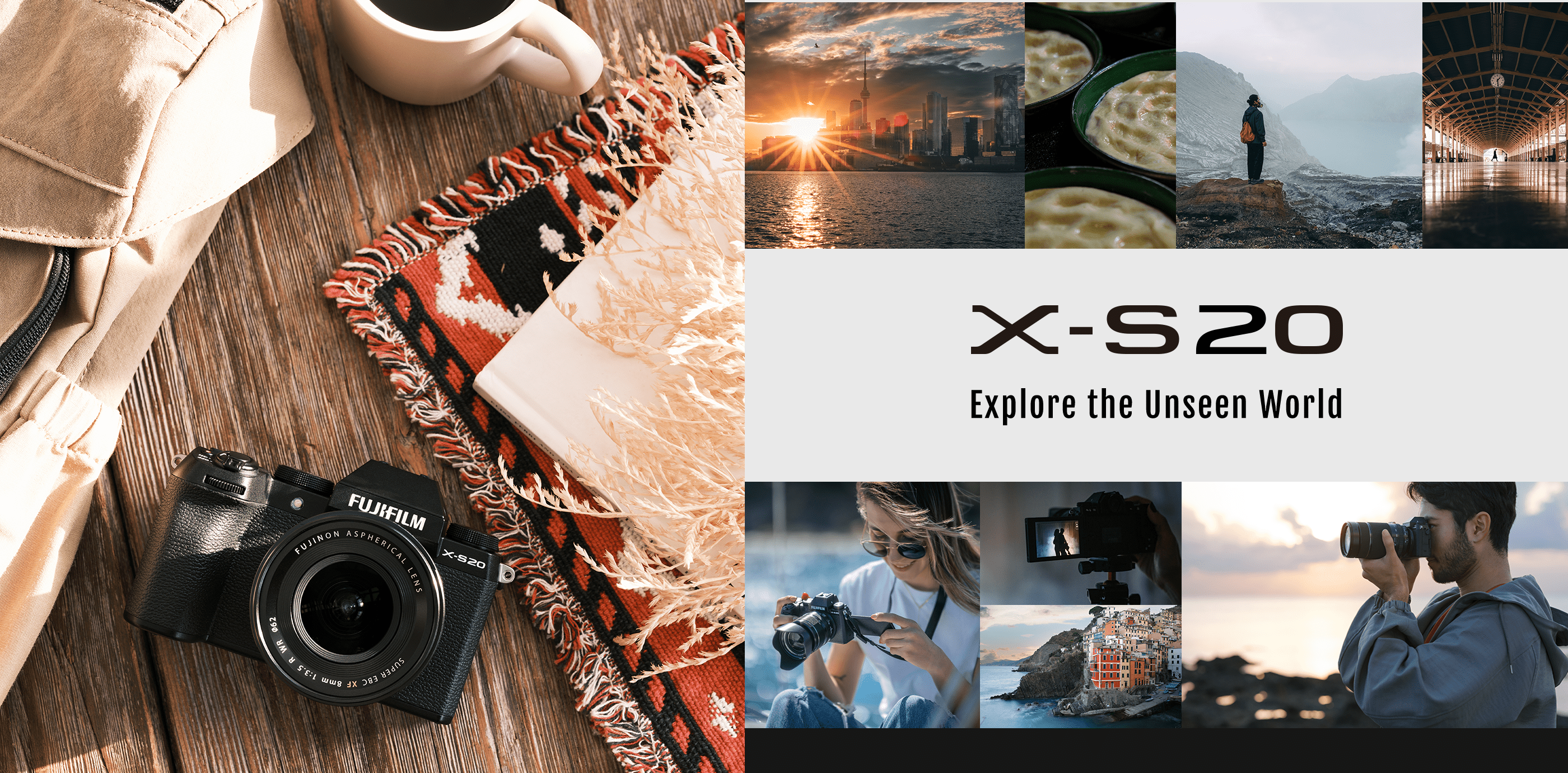
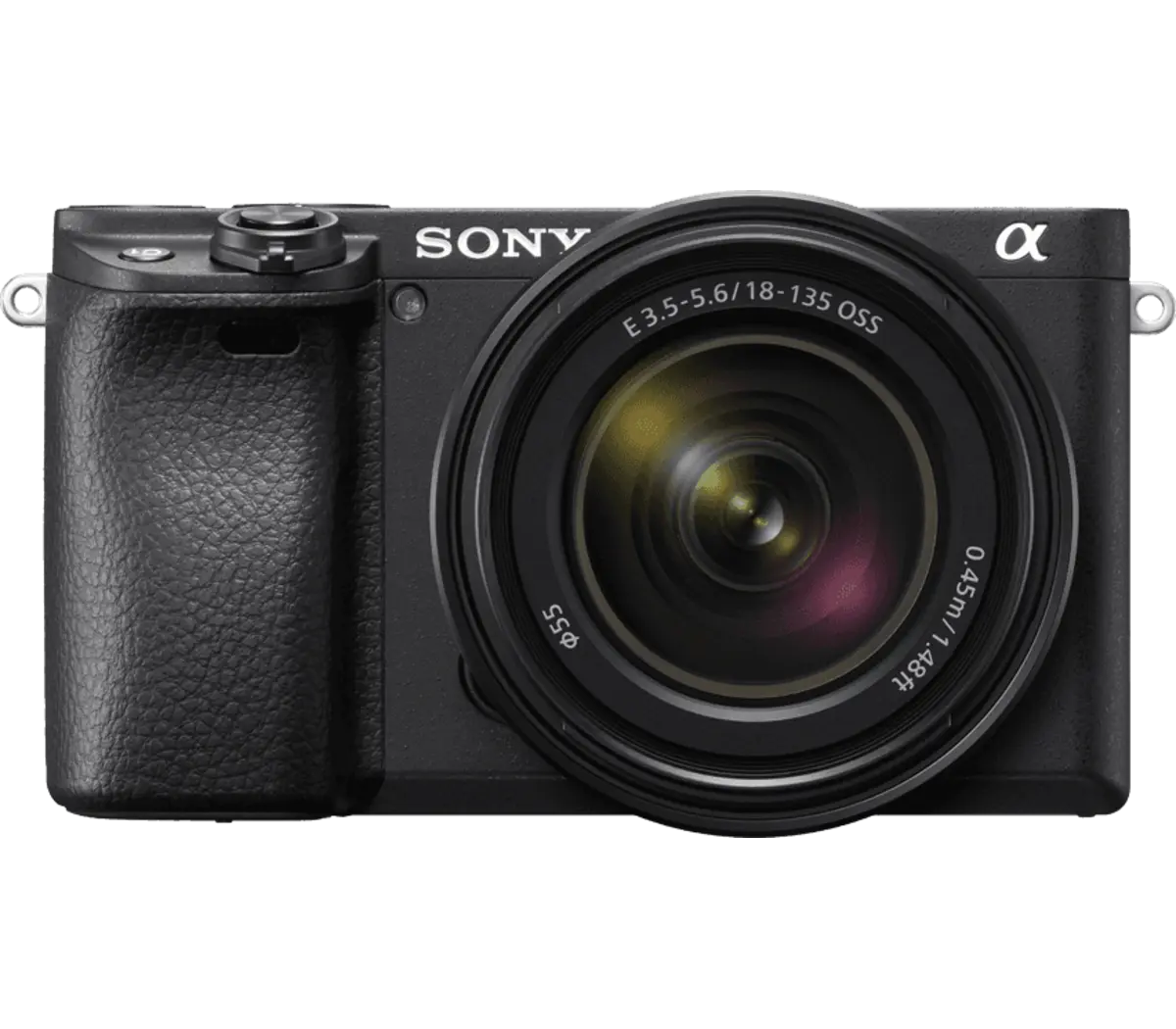
The Fujifilm X-S20 and Sony A6400 are two highly regarded mirrorless cameras that cater to photography enthusiasts and content creators alike. Both cameras feature APS-C sensors and an electronic viewfinder, but they target slightly different user needs with varying specifications and features. Buyers often find themselves choosing between these two models based on criteria like image quality, autofocus performance, video capabilities, and overall usability. With advancements since 2019, the X-S20 looks to capture users with its improvements in versatility and technological upgrades, while the A6400 continues to maintain a reputation for reliability and solid performance in various shooting conditions.
Specifications Comparison
Detailed Comparison
Image Quality
Image quality is a significant consideration for anyone choosing between the Fujifilm X-S20 and the Sony A6400. Both cameras boast APS-C sensors; however, the X-S20 offers 26 megapixels compared to the A6400's 24 megapixels. While the megapixel difference may seem minor, the additional resolution in the X-S20 can provide slightly more detail in images. Fujifilm's unique color science and film simulation modes are another advantage, widely praised for producing vivid and film-like images, which can enhance the aesthetic appeal of photographs without extensive post-processing.
On the other hand, the Sony A6400 has proven ability to produce quality images, especially in low-light situations, thanks to its wide ISO range that can go up to 102,800 (although this is less commonly used). This performance can be paramount for users frequently shooting in dimly lit environments. Additionally, both cameras offer excellent dynamic range, but Fuji's handling of colors, especially in landscapes and portraits, tends to draw many photographers toward the X-S20.
In terms of JPEG processing, the Fujifilm X-S20 generally provides superior out-of-camera images, which can be essential for those who prefer not to extensively edit their photos. Overall, for purists focused on image quality and vibrant color reproduction, the X-S20 stands a little taller in this comparison.
Autofocus System
Both the Fujifilm X-S20 and Sony A6400 feature robust autofocus systems, each with 425 phase detection autofocus points. This number ensures quick and accurate focusing for moving subjects. However, the implementation of the autofocus technology varies between the two cameras.
The X-S20's autofocus benefits from Fujifilm's latest innovations and utilizes advanced algorithms that enhance subject tracking and face detection. Moreover, its autofocus can handle continuous shooting up to a maximum of 20 frames per second (fps), making it particularly well-suited for action photography, such as sports and wildlife scenarios.
Conversely, the A6400, while capable of an impressive 11 fps burst shooting, has been praised for its real-time Eye autofocus technology and reliable performance in dynamic scenes. This feature is particularly useful for portrait photographers and videographers. While both systems are highly capable, Sony's finesse in real-time tracking could edge it slightly ahead in certain fast-paced scenarios. Ultimately, the X-S20 offers superior burst performance, while A6400 has a slight edge for tracking moving subjects.
Video Capabilities
When it comes to video capabilities, the Fujifilm X-S20 has positioned itself as a more versatile choice with broader functionality. Offering 4K recording at 60 frames per second, it allows for smoother and higher resolution footage ideal for content creators who want to deliver high-quality videos. Additionally, the X-S20 features in-body stabilization up to 7 stops, which significantly reduces camera shake, making it more suitable for handheld shooting in dynamic environments.
In comparison, the Sony A6400 records 4K video at a maximum of 30 fps, which is acceptable for many users, but the lower frame rate could be limiting for those looking for more fluid motion in their footage. Moreover, the A6400 lacks in-body stabilization, requiring users to rely on stabilized lenses or external gimbals. While the A6400 does bring solid video capabilities to the table, particularly in terms of autofocus during video capture, those aiming for higher production quality and stabilization will find the X-S20 more appealing.
Build & Ergonomics
Build quality and ergonomics often play important roles in the user's experience with a camera. The Fujifilm X-S20, released in 2023, boasts an updated design that is slightly bulkier with a weight of 491 grams, reflecting a solid construction that can endure prolonged use. Its dimensions give it a comfortable grip, although some users may find its bulk less travel-friendly compared to competitors.
Meanwhile, the Sony A6400 is more compact and weighs only 403 grams, making it one of the more portable options in the APS-C mirrorless category. Its smaller form factor appeals to those who prioritize lightweight setups for travel and street photography. However, users should note that the A6400 is not weather-sealed, which can be a drawback for photographers working in challenging conditions. In contrast, the X-S20 does not mention weather sealing, but the construction quality suggests a more durable design overall. Ultimately, while the A6400's compact form may cater to those seeking portability, the X-S20 offers a more comfortable grip for extended shooting.
Battery & Storage
Battery performance is a vital aspect for photographers and videographers, particularly during long shooting sessions. The Fujifilm X-S20 excels with a battery life rated for approximately 750 shots, outpacing the Sony A6400, which has a battery life of around 410 shots. This extended battery life in the X-S20 means fewer interruptions for changing or charging batteries during crucial shooting periods.
As for storage, both cameras utilize SD card slots, although the X-S20 supports UHS-II cards, allowing for faster write speeds and improved performance in high-speed continuous shooting and video recording. The A6400, however, only supports UHS-I cards, which may limit speed benefits during intense shooting sessions. For users who prioritize longer sessions without interruption and faster write capabilities, the X-S20 emerges as the clear winner in this category.
Value for Money
When assessing value for money, the pricing of the two models is an important consideration. The Fujifilm X-S20 retails for $1299, while the Sony A6400 is priced at $900, making it the more budget-friendly option. Despite the A6400 offering solid performance in terms of image quality and autofocus, the lower price comes at the cost of fewer advanced features compared to the X-S20, such as its superior video capabilities and in-body stabilization.
The X-S20's higher price reflects its newer technology, enhanced video specs, and overall robust performance, making it appealing for serious enthusiasts and professionals. On the other hand, for casual photographers and those on a tighter budget, the A6400 delivers excellent value with its capabilities, especially for users who may not require the latest advancements. In essence, potential buyers should weigh their specific needs to determine which model offers the best value. Ultimately, the X-S20 provides more recent features and better performance, while the A6400 stands out as a cost-effective choice for those less focused on advanced specifications.
Our Verdict
Overall, the Fujifilm X-S20 proves to be the superior camera in most critical aspects, particularly in image quality, video capabilities, and battery performance, making it the ideal choice for serious content creators and photographers seeking advanced features. The A6400, however, remains a competent alternative that provides great image quality and portability for casual shooters and those on a tighter budget. Therefore, while the X-S20 is favored for its innovative technology and enhanced features, the A6400 appeals to value-oriented users who do not require all the latest advancements.