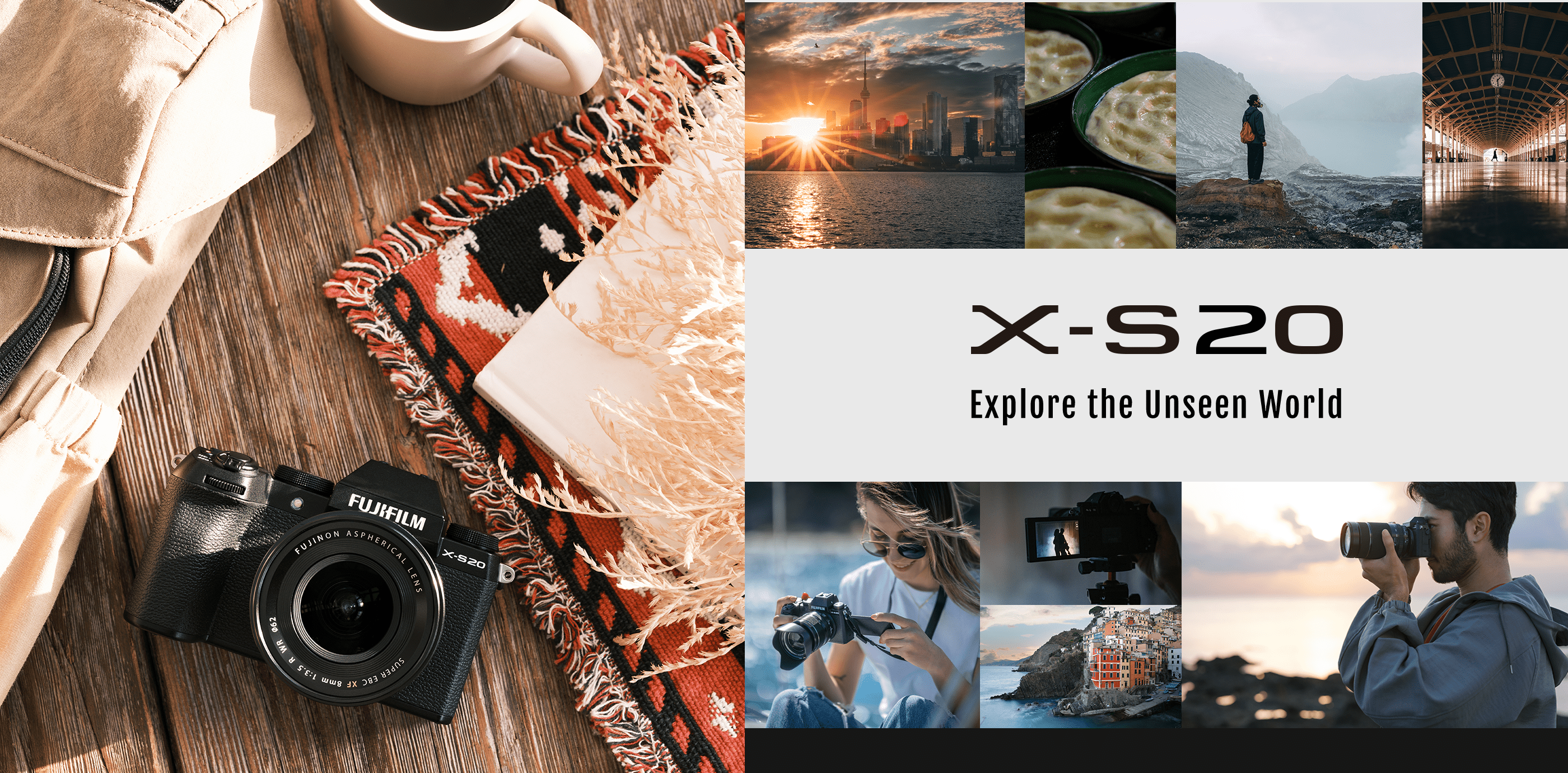
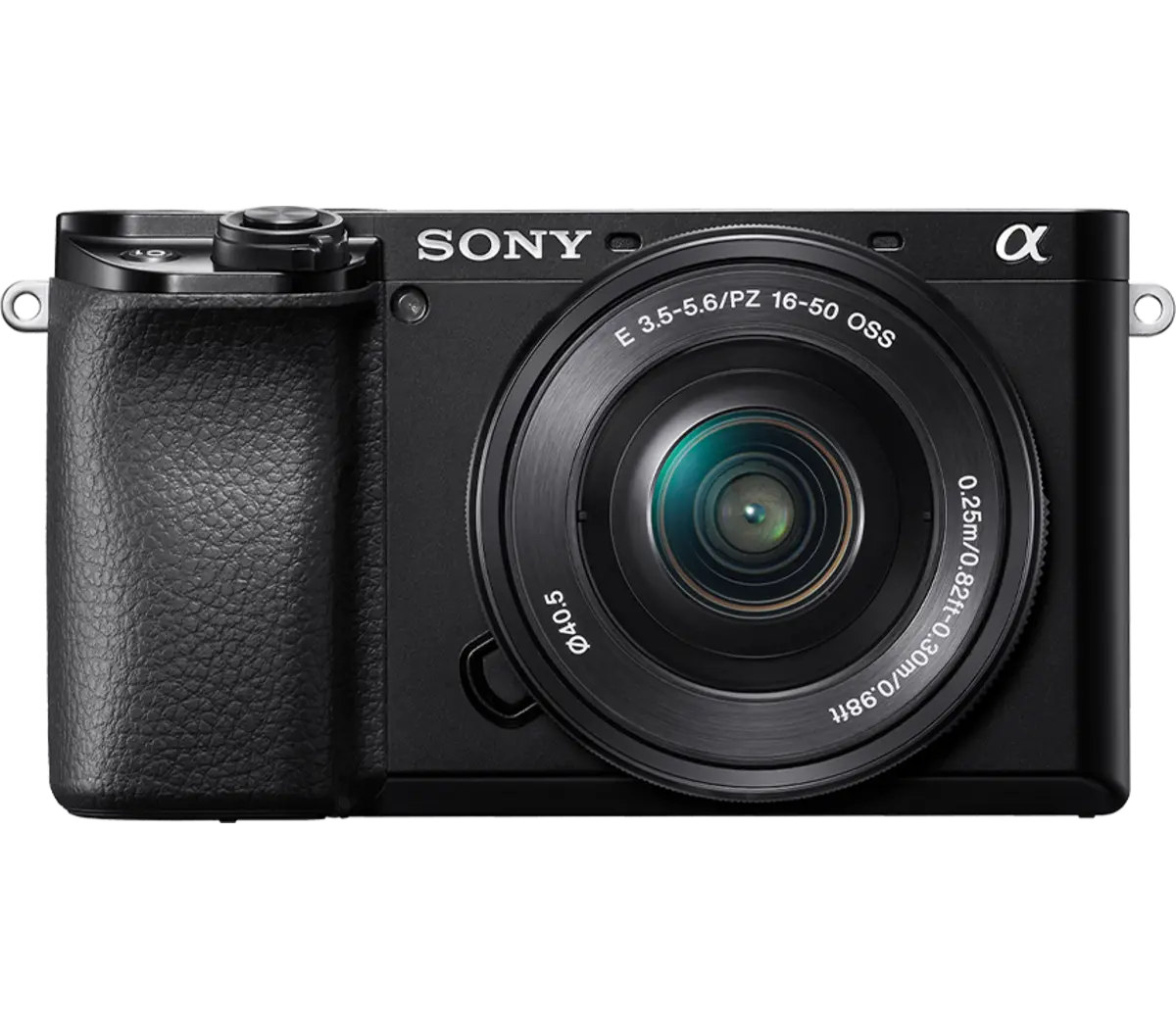
The Fujifilm X-S20 and Sony A6100 are both standout mirrorless cameras in the competitive entry to mid-level market, garnering significant attention from photography enthusiasts and content creators alike. Both feature APS-C sensors, making them appealing options for those looking for a balance of size, weight, and image quality. Buyers choosing between these two models typically prioritize autofocus performance, video capabilities, and overall value, as both brands have loyal followings and unique offerings within their ecosystems. Key differentiators include the X-S20's more advanced video specifications and image stabilization capabilities, contrasted with the A6100's affordable pricing and solid performance in still photography.
Specifications Comparison
Detailed Comparison
Image Quality
Both the Fujifilm X-S20 and the Sony A6100 utilize APS-C sensors, but there are subtle distinctions in their image quality. The X-S20 sports a 26-megapixel sensor versus the A6100's 24-megapixel sensor. While the difference in resolution may appear marginal, it can give the X-S20 an edge in detail resolution when shooting under optimal conditions. In terms of ISO performance, the X-S20 starts at ISO 160 and can expand to ISO 51200, offering greater flexibility for low-light shooting compared to the A6100's starting ISO of 100, going up to 51200. This feature can help photographers achieve cleaner images in challenging lighting situations. These characteristics make the X-S20 somewhat better suited for dynamic shooting environments, although both cameras deliver excellent results in good light. The specific color profiles Fujifilm offers, especially for those leaning towards specific aesthetic styles, may also enhance the X-S20's appeal.
Autofocus System
Both cameras are equipped with an impressive autofocus system featuring 425 AF points. However, the Fujifilm X-S20's advanced autofocus capabilities, combined with its superior max burst rate of 20 frames per second (fps) compared to A6100's 11 fps, provide a significant advantage for capturing fast-moving subjects. The X-S20 also features phase-detection and contrast-detection focus, which can improve accuracy and reliability in low-light conditions. In practice, users have noted that the X-S20 offers faster and more responsive autofocus tracking, making it a better choice for sports photography or any action-oriented shooting. Meanwhile, the A6100's autofocus system is competent and functions well for standard photography needs, making it a reliable option, but it lacks the added performance and versatility found in the X-S20.
Video Capabilities
When comparing video capabilities, the Fujifilm X-S20 stands out significantly with its ability to record 4K video at up to 60 frames per second, making it an excellent choice for videographers seeking high frame rates and smoother motion. The X-S20's advanced video features, including F-Log recording and 10-bit output, add even more tools for creators wanting professional-level video quality. On the other hand, the Sony A6100 is limited to recording 4K video at 30 fps, which, while still respectable, does not match up to the X-S20's performance in this domain. The lack of in-body image stabilization in the A6100 is also a drawback for handheld video shooting, especially compared to the X-S20's 7 stops of stabilization, which greatly enhances shooting flexibility in dynamic settings. Hence, for anyone focused on video production, the X-S20 offers a significant advantage.
Build & Ergonomics
In terms of build quality and ergonomics, the Fujifilm X-S20 weighs in at 491 grams, slightly heavier than the 396 grams of the Sony A6100. While both cameras feature durable bodies built to withstand typical usage scenarios, the X-S20's bulkier design provides a more substantial feel in hand, which could be preferred by photographers during extended shoots. Moreover, the X-S20 sports a 3-inch LCD screen with 1,840,000 dots, offering higher resolution and better visibility compared to the A6100's 921,600-dot screen. Both models include electronic viewfinders, making them suitable for various shooting styles, but the added resolution in the X-S20's screen could aid in composing and reviewing shots with clarity. Ultimately, while the difference may be subjective, the X-S20 delivers better overall ergonomics and visual feedback.
Battery & Storage
Battery life is another critical aspect to consider when choosing between the X-S20 and A6100. The X-S20 offers a battery life of approximately 750 shots, which is quite robust compared to the A6100's 420 shots. This extended battery performance can be crucial for photographers who frequently shoot in remote locations or during events without the opportunity for frequent recharging. As for storage, both cameras utilize a single SD card slot, but buyers should note the X-S20 supports UHS-II cards, which can enable faster data write speeds particularly useful for high-resolution video recording or burst shooting. This translates into greater flexibility for serious users who require more from their media storage capabilities, further enhancing the X-S20's appeal for high-performance use cases.
Value for Money
The Fujifilm X-S20 is priced at $1299, which positions it at a higher price point compared to the Sony A6100's more budget-friendly price of $750. While the X-S20 offers superior features, including advanced video capabilities, higher resolution, and better battery life, the A6100 provides excellent value for those primarily focused on still photography. It might appeal more to casual photographers or those who do not require the advanced video functionality or the extensive performance offered by the X-S20. Therefore, the A6100 offers solid features for its price point, making it a more practical choice for users on a strict budget or those who are just entering the world of mirrorless cameras. However, from a feature set perspective, the extra investment in the X-S20 may be worth it for those who need enhanced performance and capabilities.
Our Verdict
Overall, the Fujifilm X-S20 emerges as the superior camera, especially for serious enthusiasts and content creators who prioritize image quality, advanced autofocus performance, and video capabilities. Its strengths in stabilization and ergonomics further enhance its standing as a well-rounded tool for various photography and videography needs. However, the Sony A6100 remains a competent option for those seeking a more budget-friendly camera centered around still photography. It serves well for newcomers who may not need the additional performance offered by the X-S20, thereby providing excellent value. Ultimately, buyers should consider their specific needs and budget when making a decision, but the X-S20 is undoubtedly the more versatile camera overall.