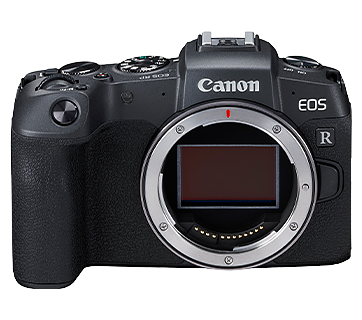

The Canon EOS RP and Sony A9 III are popular choices among photography enthusiasts and professionals seeking full-frame mirrorless cameras. The EOS RP, released in 2019, is aimed at entry-level users transitioning from DSLRs, providing an affordable entry into the full-frame world. In contrast, the Sony A9 III, launched in 2023, is a high-end powerhouse designed for sports and action photographers who require unmatched speed and performance. Both cameras deliver excellent image quality and advanced features but cater to different needs in terms of usability and capability. Key differentiators include their autofocus systems, video capabilities, and overall ergonomics.
Specifications Comparison
Detailed Comparison
Image Quality
Both the Canon EOS RP and the Sony A9 III feature full-frame sensors that offer impressive image quality. The EOS RP boasts a 26-megapixel sensor optimized for a wide dynamic range and low-light performance, with an ISO range extending from 100 to 40,000 (expandable to 50-102,400). This allows for greater flexibility in varying lighting conditions. The A9 III, with its 25-megapixel sensor, also delivers exceptional clarity and detail, but may slightly lag behind the RP in terms of resolution. However, its ISO performance is competitive, and the differences may be negligible in practical use.
In real-world terms, users of the EOS RP generally report excellent color reproduction and tonality, making it suitable for landscape and portrait photography. The A9 III excels in fast-paced shooting situations with its faster burst rate, ensuring that detail is captured precisely even in the most challenging conditions. Both produce superb JPEG and RAW files, but the slight difference in sensor architecture may sway photographers based on their specific needs and subject matter.
Autofocus System
The autofocus systems on the Canon EOS RP and Sony A9 III reflect their intended use cases. The RP features 4779 autofocus points, providing decent coverage and speed, making it sufficient for general shooting and beginner-to-intermediate users. However, the lack of advanced autofocus tracking capabilities may limit its performance in fast-action scenarios.
The A9 III, on the other hand, is equipped with a more sophisticated autofocus system, boasting industry-leading performance with real-time Eye AF for humans and animals. It can track fast-moving subjects with incredible precision across 693 phase-detection points. This makes the A9 III a clear leader in dynamic shooting environments, such as sports or wildlife photography, where focus accuracy and speed are paramount. In terms of autofocus capability, the A9 III significantly outshines the EOS RP.
Video Capabilities
The video features of the Canon EOS RP include 4K recording at 24p without a crop, making it suitable for casual videographers and content creators. However, it lacks advanced video options like 60fps recording and doesn't have in-body stabilization, which limits its versatility in more dynamic shooting situations. Its 4K capabilities may be appealing to those looking to capture high-resolution video without requiring extensive editing flexibility.
Conversely, the Sony A9 III excels in the video department, offering 4K recording at 120p, which allows for stunning slow-motion footage and more cinematic expression. It also comes equipped with 8 stops of in-body stabilization, ensuring smooth handheld shooting. This makes the A9 III an excellent choice for professional videographers who need high frame rates and stabilization for dynamic content. Overall, the video capabilities of the A9 III surpass those of the EOS RP, catering to more advanced needs.
Build & Ergonomics
In terms of build quality, the EOS RP features a lightweight and compact design, weighing in at 485 grams and measuring 133 x 85 x 70 mm. Its user-friendly interface and well-placed controls make it accessible for beginners. While the RP is primarily constructed from polycarbonate, it still feels sturdy, but may not withstand harsh conditions as effectively as its competitor.
The A9 III, which is heavier at 617 grams and bulkier at 136 x 97 x 83 mm, is built with a more robust design and weather-sealing, making it better suited for professional use in various environments. The controls are ergonomically designed, and many users appreciate the customizable buttons that enhance workflow efficiency. For those who prioritize pro-level durability and ergonomics in demanding shooting scenarios, the A9 III stands out significantly over the EOS RP.
Battery & Storage
The battery life of the Canon EOS RP is somewhat limited, providing around 250 shots per charge under normal conditions, which may require frequent battery changes for extended shoots. However, it offers compatibility with various storage options, including SD cards, which may appeal to users looking for versatility.
In contrast, the Sony A9 III offers a longer battery life, approximately 600 shots per charge, allowing for extended shooting sessions without the need to change batteries frequently. Additionally, it supports dual card slots with CFexpress Type A and SD cards, providing ample, high-speed storage solutions for high-resolution images and video recording. Therefore, in terms of battery longevity and storage capabilities, the A9 III is the clear winner, making it more suited for professional photographers who require both endurance and speed during shoots.
Value for Money
The Canon EOS RP is attractively priced at $1299, making it an excellent option for beginners entering the full-frame market. Its straightforward features and ease of use are particularly appealing for those transitioning from APS-C or DSLR systems. For users prioritizing affordability while still wanting good image quality, the EOS RP represents solid value.
In contrast, the Sony A9 III, priced higher due to its advanced features, caters to professional users requiring top-tier specifications. With its exceptional autofocus capabilities, extensive battery life, and superior video performance, the price reflects the camera's performance and build quality rather than offering entry-level value. While the A9 III may be a significant investment, for those needing its capabilities, it justifies the advantages it provides.
Our Verdict
Overall, the Sony A9 III emerges as the leader between these two models, particularly for professional photographers and videographers who demand high-speed performance, advanced autofocus, and excellent video capabilities. It offers greater versatility and build quality, making it suitable for various high-end applications. However, the Canon EOS RP is a strong contender for entry-level users and those prioritizing budget without sacrificing too much image quality. For individuals just starting in full-frame photography, the EOS RP is a commendable choice, yet for professionals where every shot matters, the A9 III is unequivocally worth the investment.
Canon EOS RP
Sony A9 III
Also Compare
Frequently Asked Questions
Is the Canon EOS RP better for beginners?
Yes, the Canon EOS RP is more suited for beginners due to its user-friendly interface, lower price point, and good performance, making it an accessible entry into full-frame photography.
Which camera offers better video performance?
The Sony A9 III offers superior video capabilities with features like 4K recording at 120p and in-body stabilization, making it the better choice for videographers.
How do the autofocus systems compare?
The A9 III has a much more advanced autofocus system, suitable for fast-moving subjects, while the EOS RP is sufficient for general photography but may struggle in fast-action scenarios.
What are the weight differences between the two cameras?
The EOS RP is lighter at 485 grams, making it easier to handle for long periods, whereas the A9 III weighs 617 grams, reflecting its more robust build and features.
Which camera has longer battery life?
The Sony A9 III offers significantly longer battery life, approximately 600 shots per charge, compared to the Canon EOS RP's 250 shots.