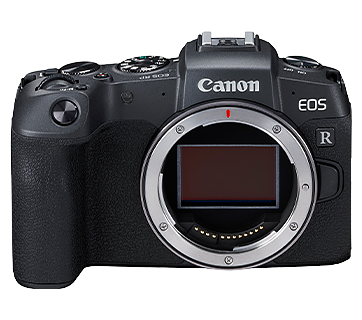
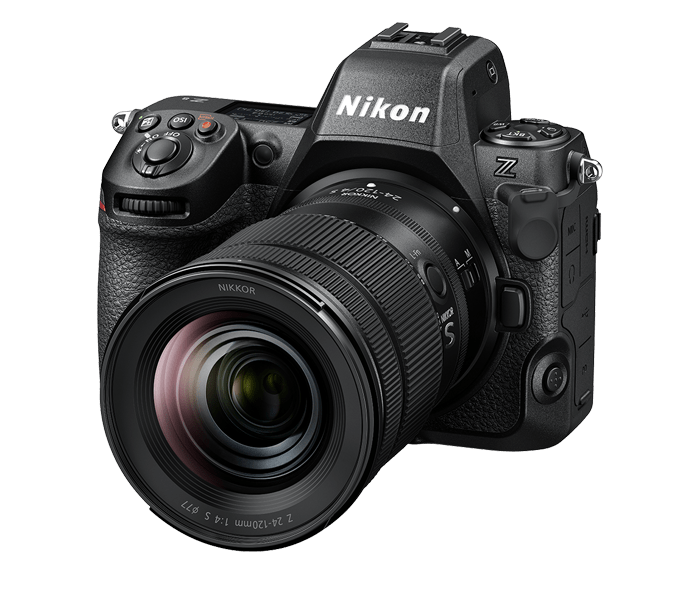
The Canon EOS RP and the Nikon Z8 are two full-frame mirrorless cameras that cater to different segments of the photography market. The Canon EOS RP, released in 2019, is a more entry-level model known for its compact design and affordability, making it an ideal choice for amateur photographers and enthusiasts wanting to transition into full-frame photography. On the other hand, the Nikon Z8, launched in 2023, presents a more advanced option with significantly higher specifications aimed at professional photographers and videographers who demand top-tier performance and features.
Specifications Comparison
Detailed Comparison
Image Quality
The Canon EOS RP features a 26-megapixel full-frame sensor, providing a solid balance between resolution and image quality that suits many general photography needs. However, the Nikon Z8 significantly elevates this standard with its 46-megapixel sensor, which excels in capturing fine details, making it an excellent choice for landscape photographers and those needing high-resolution images for large prints. The higher dynamic range and improved low-light performance of the Z8 also surpass the RP, especially at higher ISO settings, where the Z8 also provides better noise management.
Autofocus System
The autofocus system in the EOS RP is robust, featuring 4779 autofocus points, which helps in tracking subjects quite effectively. However, the Nikon Z8 offers 493 focus points that utilize advanced algorithms for more accurate tracking and subject recognition, especially in dynamic scenes. The Z8's autofocus system is generally regarded as more reliable under challenging conditions, such as low light or fast-moving subjects, thus catering more effectively to professional needs.
Video Capabilities
When comparing video capabilities, the Z8 clearly stands out with its ability to shoot in 4K at up to 120 frames per second, allowing for high-frame-rate slow-motion footage and greater flexibility in post-production. In contrast, the Canon EOS RP is limited to recording 4K video at 24p, which may not satisfy the needs of serious videographers. Furthermore, the Z8 offers more advanced video features such as 10-bit internal recording and better overheating management, making it more suitable for professional video work.
Build & Ergonomics
The EOS RP is lightweight at just 485 grams, making it a highly portable choice for photographers on the go. Its compact dimensions provide a comfortable grip for extended usage sessions. Conversely, the Z8 weighs 910 grams and features a more robust build with weather sealing, making it better suited for challenging environments. The larger screen on the Z8, with 2,088,960 dots compared to the RP's 1,040,000 dots, offers a clearer view for composing and reviewing shots, which is especially useful for professional work.
Battery & Storage
Battery life is another crucial factor to consider. The EOS RP has a relatively low battery life, rated at about 250 shots, which can hinder long shooting sessions without a power source. In contrast, the Z8 provides a longer battery life of approximately 340 shots, allowing for extended use-especially useful in a professional setting where changing batteries frequently is impractical. Both cameras use different battery types, which may lead to additional costs in terms of accessories and backups, but the Z8's overall efficiency gives it an edge.
Value for Money
The Canon EOS RP, priced at around $1299, offers remarkable value for enthusiasts wanting to delve into the full-frame realm without breaking the bank. Its lower price point makes it accessible for beginners or those not needing cutting-edge technology. Meanwhile, the Nikon Z8's price tag of $3999 reflects its advanced features, higher performance in almost every category, and appeal to professionals. While the Z8 offers superior specifications, it represents a significant investment that might not be justified for casual photographers compared to the EOS RP.
Lens Ecosystem
Both Canon and Nikon provide a growing range of lenses designed for their respective mirrorless systems. Canon's RF lens lineup across its mirrorless cameras is rapidly expanding with innovative options catering to different photography styles. Nikon's Z mount also offers a robust lineup, with several high-quality lenses becoming available since the Z series was launched. The choice may thus depend on personal preference and existing investments in either brand's ecosystem. While neither system offers comprehensive third-party support, both are making strides in this area.
Our Verdict
Overall, the Nikon Z8 is the clear winner for professional and advanced users due to its superior image quality, autofocus capabilities, and video features. However, for those who are entry-level photographers or enthusiasts seeking an affordable pathway into full-frame photography, the Canon EOS RP stands out as an excellent value choice. Each camera has its strengths, with the Z8 better suited for demanding conditions and professional use, while the RP excels in accessibility and affordability.
Canon EOS RP
Nikon Z8
Also Compare
Frequently Asked Questions
Is the Canon EOS RP suitable for professional work?
While the Canon EOS RP is a capable camera for many photography styles, it may lack some advanced features and performance required by professionals, particularly in autofocus and video capabilities compared to the Nikon Z8.
How do these cameras handle low-light performance?
The Nikon Z8 offers better low-light performance due to its higher megapixel count and improved noise management, while the Canon EOS RP can struggle at higher ISO levels, making the Z8 the preferred choice for low-light photography.
Which camera is better for video recording?
The Nikon Z8 is significantly better for video recording, supporting 4K at up to 120 fps, while the EOS RP only offers 4K at 24 fps with fewer advanced video features.
What are the weight differences between the two cameras?
The Canon EOS RP is much lighter at 485 grams, making it more portable, whereas the Nikon Z8 weighs 910 grams, which may be cumbersome for some users, but offers a more robust build.
Do these cameras have weather sealing?
The Nikon Z8 is weather-sealed, making it more reliable in challenging conditions. In contrast, the Canon EOS RP lacks this feature, which could limit its suitability for outdoor photography in varying weather.