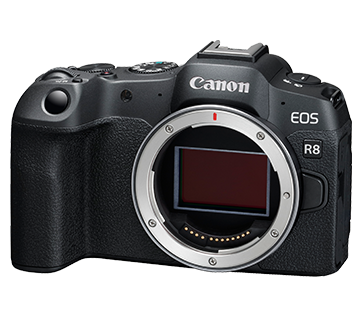
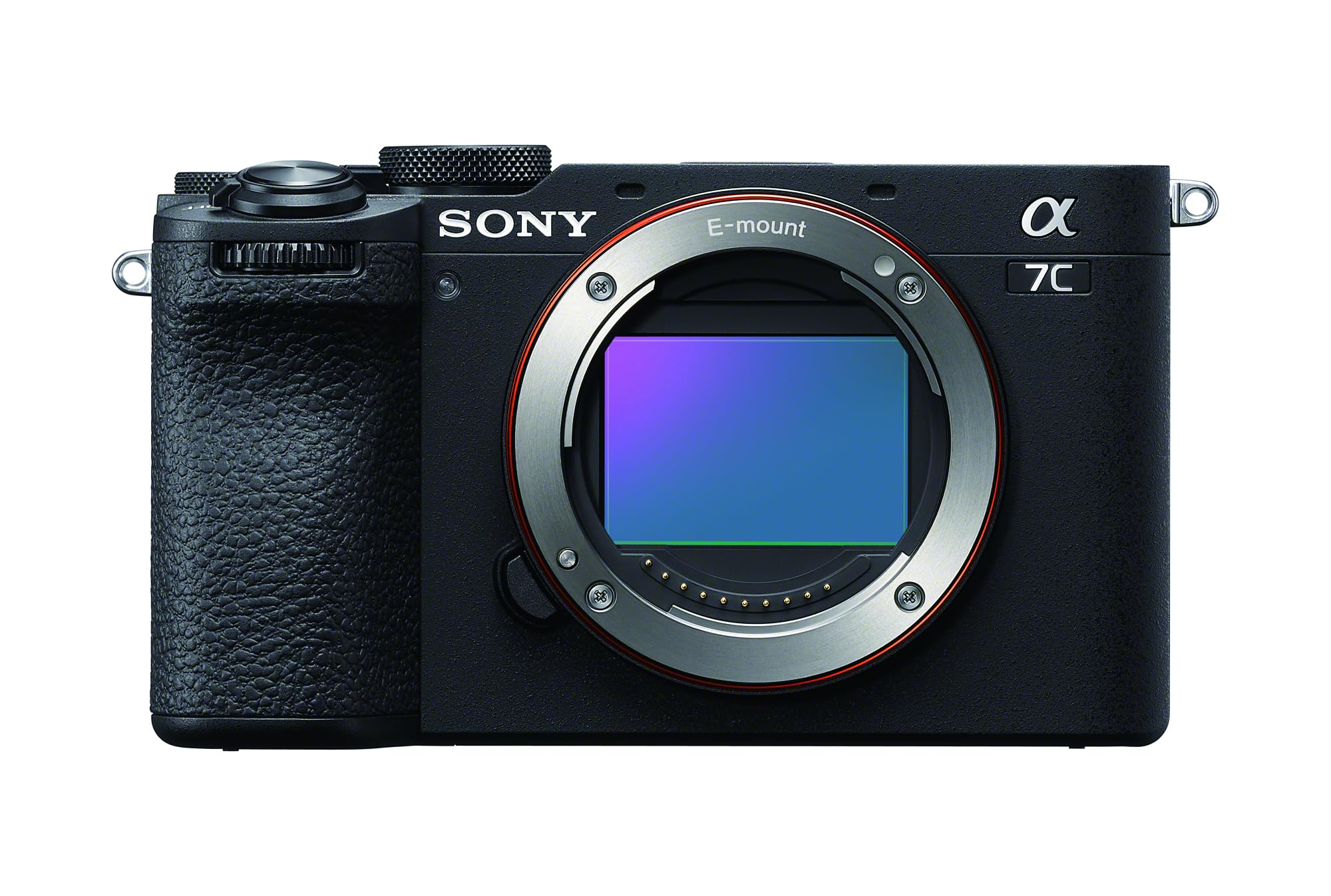
The Canon EOS R8 and Sony A7C II are both impressive full-frame mirrorless cameras released in 2023, catering to both photography enthusiasts and professionals alike. While they share a primary purpose-capturing high-quality stills and videos-these cameras offer differing specifications and features that attract different user demographics. Photographers seeking superb image quality and advanced autofocus may favor one model over the other, depending on their specific use cases such as event photography, travel, or content creation.
Specifications Comparison
Detailed Comparison
Image Quality
When it comes to image quality, the Canon EOS R8 boasts a 24-megapixel sensor, providing excellent resolution for most photography needs. Its full-frame sensor is coupled with a wide ISO range of 100-102400, enabling great performance in low-light conditions. However, the Sony A7C II offers a significantly higher resolution at 33 megapixels, which affords more detail in larger prints and crops. This detailed capture can be particularly advantageous for landscape and commercial photographers who require high-resolution images. Both cameras perform well in natural light, but the additional megapixels in the A7C II make it superior for detailed work.
Additionally, the A7C II's expanded ISO range up to 204800 is an advantage for high sensitivities, allowing for cleaner high-ISO shots with less noise compared to the R8.
Thus, while both cameras can deliver stunning prints and low-light capabilities, the A7C II takes the lead in resolution and versatility.
In conclusion, the A7C II earns the title for image quality due to its higher megapixel count and greater ISO flexibility.
Autofocus System
Autofocus performance is critical for capturing sharp images, especially in dynamic situations. The Canon EOS R8 boasts an impressive autofocus system with 1053 focus points, which provides broad coverage and ensures accurate focus. This makes it a strong contender for fast-moving subjects, especially in sports and wildlife photography.
On the other hand, the Sony A7C II is equipped with a slightly lower number of autofocus points-759-but benefits from Sony's advanced Real-time Eye Autofocus and animal detection features that have earned critical acclaim. Users often find that Sony's autofocus system delivers speed and reliability in various shooting environments.
Both systems deliver fast and reliable autofocus; however, the A7C II's superior tracking capabilities in eye and subject recognition give it an edge for portrait and wildlife photography.
Overall, while the R8 offers a greater number of focus points, the A7C II's performance in practical scenarios places it ahead in autofocus capabilities.
Video Capabilities
Both the Canon EOS R8 and Sony A7C II support 4K video recording at up to 60 fps, making them great options for videographers. However, the R8 does not feature in-body stabilization, which can be a significant drawback for handheld or dynamic shooting scenarios. Lack of stabilization can lead to shaky footage, particularly during movement, while Sony's A7C II includes a 7-stop in-body stabilization system that hugely benefits handheld shooting.
The A7C II also supports a wider variety of video features, including S-Log and HLG, which give filmmakers greater control over their color grading process after shooting. In contrast, while the R8 offers some in-camera video profiles, they are less comprehensive than those offered by the A7C II.
In summary, for serious videography, the A7C II's stabilization and advanced features position it as the better choice for filmmakers or content creators who prioritize video quality independence.
Build & Ergonomics
Both the Canon EOS R8 and Sony A7C II feature robust weather-sealed bodies, showcasing durability suited for outdoor shooting. However, the ergonomics differ slightly between the two. The R8 weighs 461 grams and has dimensions of 133 x 86 x 70 mm, providing a slightly larger grip, which may be more comfortable for prolonged usage, especially for photographers with larger hands.
In contrast, the Sony A7C II is lighter at 514 grams and slightly more compact in dimensions (124 x 71 x 63 mm), making it an attractive choice for travel photographers desiring a lightweight setup without sacrificing image quality.
Additionally, the R8 sports a slightly higher resolution screen at 1,620,000 dots compared to the A7C II's 1,036,800 dots, which may appeal to those who favor super sharp displays. Nevertheless, the A7C II's compactness offers more portability, which is invaluable for travel or street photography.
Overall, while both have unique advantages, the choice depends on whether a more substantial grip or compactness is preferred.
Battery & Storage
Battery life can significantly affect usage scenarios for enthusiasts and professionals alike. The Sony A7C II has an impressive battery life, able to shoot approximately 540 shots per charge, which can be a decisive factor when on long shoots. The R8 does not specify battery life in terms of shots, though it is likely influenced by its lower power requirement given its lower pixel count and features. In terms of storage options, both cameras support SD cards but may differ in their capabilities regarding speed and performance with high-capacity files. The A7C II's advanced video features may also demand faster writing speeds for optimal performance, which typically pushes users towards higher-class SD cards.
Ultimately, for users focused on longevity during shoots, the A7C II wins this area due to its superior battery performance, while both systems will need fast SD cards for optimal performance in higher quality settings.
Value for Money
The Canon EOS R8 is priced at $1499, making it an attractive option for photographers wanting a full-frame experience without breaking the bank. Its feature set is competitive, offering significant functionality for enthusiasts.
Conversely, the Sony A7C II, being priced at $2200, targets a more premium segment of the market. The additional cost may be justified for its superior image quality, autofocus capabilities, and video features, making it suitable for professionals willing to invest more for versatility and performance.
Potential users should weigh their intended use cases before making a choice-casual or aspiring photographers might find the R8 to be the better value proposition, while professionals may lean towards the A7C II for its range of advanced features designed to enhance their creative capabilities. In conclusion, for those operating under budget constraints, the R8 offers better value, while the A7C II might justify its higher price for serious users seeking comprehensive performance.
Lens Ecosystem
When considering a camera's long-term usability, the lens ecosystem plays a pivotal role. The Canon EOS R8 utilizes the RF mount, which currently has a growing lineup of quality lenses suitable for a variety of genres, including macro, portrait, and telephoto. However, it may not yet match the extensive options seen with Sony's E-mount.
The Sony A7C II benefits from access to a vast array of lenses, owing to the maturity of the E-mount system. From compact primes to versatile zooms, the range offers many choices, enhancing creative possibilities in photography and videography. Both brands also support third-party lens manufacturers, increasing options for users.
For versatility and options, the A7C II edges ahead, especially for users looking to expand their investment into various lens types over time.
In summary, while both cameras have access to quality lenses, the A7C II has the advantage of a more mature ecosystem.
Our Verdict
Overall, the Sony A7C II emerges as the winner in this comparison, offering superior image quality, autofocus performance, stabilization, and a broader lens ecosystem. These attributes make it an exceptional choice for professional photographers and videographers who prioritize advanced capabilities. However, the Canon EOS R8 presents great value for money with solid performance for enthusiasts and casual users, particularly appealing for those on a budget while still wishing to explore full-frame photography. Therefore, the decision ultimately hinges on user priorities: If versatility and advanced features are key, the A7C II is the better investment, while the R8 is a commendable option for those looking for a more affordable entry into full-frame shooting.
Canon EOS R8
Sony A7C II
Also Compare
Frequently Asked Questions
Which camera is better for low-light photography?
The Sony A7C II has a wider ISO range and higher resolution, making it better suited for low-light photography compared to the Canon EOS R8.
Is stabilization important for video shooting?
Yes, stabilization is crucial for achieving smooth video footage, making the Sony A7C II a more favorable choice due to its in-body stabilization.
What is the major difference in weight between the two cameras?
The Canon EOS R8 is lighter at 461 grams compared to the Sony A7C II's weight of 514 grams, making the R8 slightly more ergonomic for extended use.
Which camera has better autofocus?
The Sony A7C II excels in autofocus performance, featuring advanced tracking capabilities that outpace the Canon EOS R8, despite its higher number of autofocus points.
Is the Canon EOS R8 a good choice for beginners?
Yes, the Canon EOS R8 is an excellent choice for beginners due to its lower price point and user-friendly features, making it an accessible entry into full-frame photography.