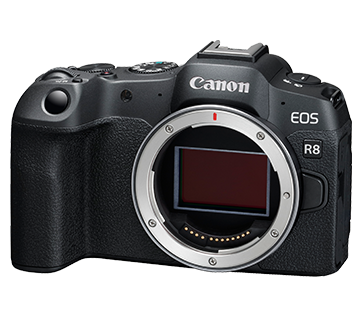
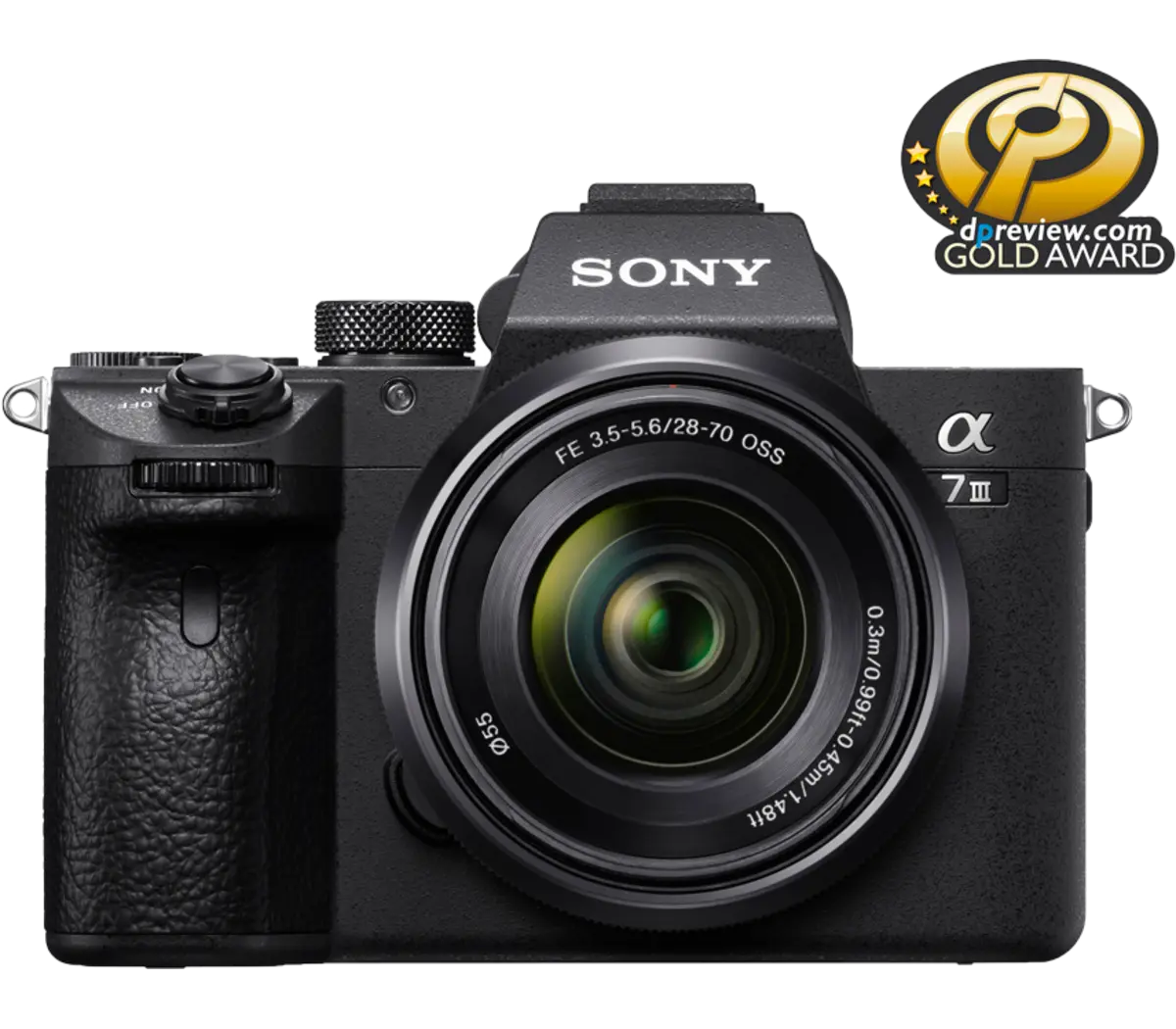
The Canon EOS R8 and the Sony A7 III are two of the most popular choices among enthusiasts and professionals looking for full-frame mirrorless cameras. As both models offer excellent image quality and versatile shooting capabilities, they frequently come up in discussions for those seeking affordable yet powerful options. Photographers, vloggers, and content creators may find themselves torn between these two models, each having distinct advantages that appeal to different user preferences and shooting styles. Key differentiators in this comparison include their autofocus capabilities, video specifications, and overall build quality.
Specifications Comparison
Detailed Comparison
Image Quality
Both the Canon EOS R8 and Sony A7 III feature 24-megapixel full-frame sensors, providing excellent image quality with plenty of detail and dynamic range. However, the Canon R8's broader ISO range of 100-102400 gives it an edge in low-light situations compared to the A7 III's maximum ISO of 51200. This extended range makes the R8 a better choice for photographers who work in challenging lighting conditions and require cleaner images at higher ISO settings. Additionally, while both cameras produce sharp images, the color science of Canon is often favored for its warmer tones, while Sony's output tends to be cooler, which can affect post-processing needs. Therefore, in terms of raw image quality and versatility in ISO performance, the Canon EOS R8 is generally seen as superior.
Autofocus System
When it comes to autofocus systems, the Canon EOS R8 boasts a significant advantage with 1,053 autofocus points, compared to the 693 points on the Sony A7 III. This extensive number allows for improved subject tracking, especially in fast-moving scenarios, which is advantageous for wildlife or sports photography. The R8 utilizes Dual Pixel CMOS AF for fast and accurate focusing, while the A7 III employs a reliable hybrid system that includes phase detection and contrast detection. Although the A7 III's autofocus system is impressive, the number of points in both wide and intelligent modes makes the R8 more adaptable in various situations. This leads to improved performance when capturing moving subjects, making the R8 the better option for autofocus capabilities.
Video Capabilities
In terms of video specifications, the Canon EOS R8 supports 4K recording at 60 frames per second, providing smoother motion and higher quality for video content creators. On the flip side, the Sony A7 III records 4K video at up to 30 frames per second, which may be limiting for those looking to produce high-frame-rate content. Furthermore, the R8 supports advanced video options such as 10-bit color depth when shooting internally, which appeals to professional videographers who require more flexibility in post-production. In contrast, the A7 III is limited to 8-bit in its internal recording for 4K. Overall, for video applications, the Canon EOS R8 takes the lead due to its superior frame rates and recording capabilities.
Build & Ergonomics
The Canon EOS R8 is slightly lighter at 461g compared to the Sony A7 III's 650g, making it a better option for extended hand-held shooting sessions or travel. In terms of dimensions, the R8 is slightly smaller, allowing for easier portability. Both cameras feature weather sealing, which is essential for outdoor photography, but the build quality and ergonomics differ. The A7 III has a more established reputation for its solid and robust feel. Its design also includes a more extended battery life of 710 shots, compared to the typical performance of the R8, offering added reassurance for long shoots without the need for a battery swap. While the R8 wins in terms of weight, Sony's A7 III excels in overall handling and battery performance.
Battery & Storage
The Sony A7 III outperforms the Canon EOS R8 in battery life, with the A7 III capable of capturing approximately 710 shots per charge, while the R8's battery performance can vary depending on usage and environment. The A7 III's EP-Z batteries are known for their longevity, allowing users to shoot for extended periods without worrying about battery replacements. Additionally, both cameras support SD UHS-II memory cards to maximize data transfer speed, which is crucial for high-resolution stills and 4K video recording. Thus, while both models provide effective storage capabilities, the A7 III leads the way in battery life, making it ideal for users who prioritize long shooting sessions.
Value for Money
Price-wise, the Canon EOS R8 is offered at a significantly lower price point of $1499 compared to the Sony A7 III's $2000. For many users, particularly those entering the full-frame mirrorless market or looking for a compelling video camera, the R8 presents a more attractive investment considering its modern features and extensive autofocus system. That said, the A7 III has been a highly regarded model since its release, and its build quality, battery performance, and established lens ecosystem make it a compelling option for serious enthusiasts. Thus, in terms of specifications to price ratio, the R8 offers outstanding value, while the A7 III may still appeal to those seeking refinement and durability.
Our Verdict
Overall, the Canon EOS R8 emerges as the winner in this comparison, thanks to its superior image quality, advanced autofocus, and excellent video capabilities. It is particularly well-suited for photographers and videographers who require more modern features at an entry-level price. However, the Sony A7 III remains a robust choice for users prioritizing battery life, build quality, and a more stable lens ecosystem. Ultimately, the selection between these two models will depend largely on individual needs: the R8 is ideal for those who want cutting-edge technology at a lower price, while the A7 III may attract users looking for a trusted and well-rounded solution.