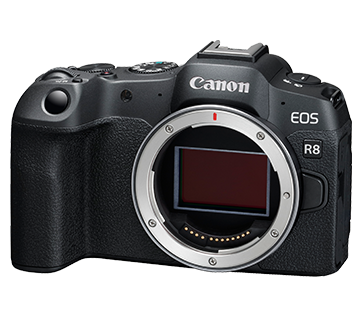
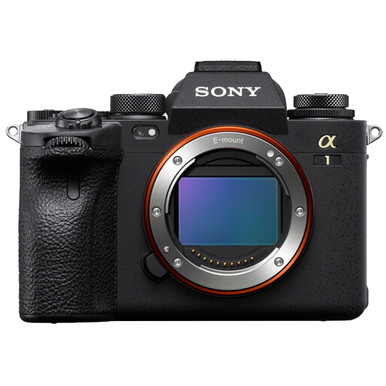
The Canon EOS R8 and Sony A1 are two highly regarded full-frame mirrorless cameras widely compared by professional and amateur photographers alike. Both cameras cater to serious enthusiasts and professionals looking for high performance in image quality, autofocus, and video capabilities. While the Canon R8 is priced competitively at $1,499, the Sony A1, a flagship model, commands a premium price of $6,500. This stark difference in price makes it crucial for buyers to understand the key differentiators between these two models, such as their specifications, intended use cases, and feature sets.
Potential buyers often find themselves choosing between these models based on their specific needs-whether it's high-resolution photography, fast burst shooting, advanced video features, or ergonomic design. The Canon EOS R8 appeals to those who prioritize value without sacrificing essential features, whereas the Sony A1 offers top-tier specifications suited for professionals demanding unparalleled performance.
Specifications Comparison
Detailed Comparison
Image Quality
In terms of image quality, the Sony A1 takes a significant lead with its 50-megapixel sensor compared to the Canon EOS R8's 24-megapixel sensor. This higher resolution allows the A1 to capture finer details and provides greater flexibility for large prints or extensive cropping. Additionally, the Sony A1 features a wider ISO range of Auto and 100-32000, which can be expanded to 50-102400, offering better low-light performance. The Canon R8, while slightly behind in resolution, still delivers impressive image quality with its full-frame sensor, benefiting from Canon's excellent color science and dynamic range.
Both cameras can produce stunning images, but the A1 is better equipped for situations requiring extreme detail or high dynamic range. However, the differences may not be as noticeable for typical users, especially if prints or high-resolution outputs are not a priority. Ultimately, while both cameras produce excellent images, the A1's resolution and enhanced ISO performance give it an advantage in scenarios demanding the utmost image fidelity.
Autofocus System
The autofocus system is another crucial aspect where the cameras diverge significantly. The Canon EOS R8 features an impressive 1053 autofocus points, while the Sony A1 houses 759 points. Despite the A1 having fewer points, it is known for its highly advanced Real-Time Eye autofocus, which works exceptionally well for tracking moving subjects, especially in photographing wildlife and sports. The EOS R8's dual pixel autofocus also performs reliably, making it excellent for both stills and video but might not match the speed and accuracy of the A1 in fast-paced situations.
Both systems are effective, but the A1's sophisticated tracking capabilities cater better to dynamic environments. Users will find the responsiveness of the A1 when capturing fast action to be a standout feature, while the R8 remains an excellent choice for general photography needs. Considering real-world applications, the Sony A1 offers superior autofocus performance, cementing its place as the go-to for action-oriented photography.
Video Capabilities
Video recording capabilities showcase a compelling edge with the Sony A1 delivering up to 4K 120p, ideal for high-frame-rate and slow-motion footage, a feature that is not available on the Canon EOS R8, which is limited to 4K 60p. This higher frame rate on the A1 allows creators to produce more dynamic video content. Furthermore, the A1 supports 10-bit 4:2:2 internal recording, enhancing the flexibility in post-production color grading, something the R8 does not match in terms of bitrate and depth.
The Canon EOS R8 does provide strong video functionalities suitable for most casual and semi-professional projects, but it doesn't reach the same level of professional capability as the A1. For filmmakers and serious videographers, the choice is clear as the A1 not only offers higher resolution but also the advanced features required for professional video production.
Build & Ergonomics
Both the Canon EOS R8 and Sony A1 boast durable weather-sealed constructions, making them suitable for use in challenging conditions. The R8 is slightly lighter at 461g compared to the A1's 737g, which could contribute to ease of handling during prolonged shooting sessions. The dimensions of the R8 also suggest a more compact design, offering better portability.
However, the A1, despite its heavier build, provides a more robust feel and additional controls that may appeal to professional photographers who appreciate tactile adjustments. The electronic viewfinders on both cameras offer an immersive shooting experience, but the A1's viewfinder has a higher refresh rate, enabling smoother viewing during fast action. Ultimately, those seeking a lightweight and portable design might prefer the Canon EOS R8, while professionals might appreciate the heft and controls of the Sony A1.
Battery & Storage
Battery life is another important consideration, with the Sony A1 achieving a substantial battery life of approximately 530 shots. The Canon EOS R8 does not have a specified battery life in terms of shots but, traditionally, Canon cameras tend to have slightly lower lifetimes. Additionally, the A1 supports CFexpress Type A storage cards, providing faster write speeds essential for high-resolution 4K video recording and high burst rate photography, which can be a game-changer for professional use. Conversely, the R8 uses SD cards, which may be suitable for most uses but lacks the speed benefits of CFexpress cards, especially for managing large files efficiently.
In this regard, the Sony A1's superior battery life and faster storage options offer clear advantages for professionals or those needing to shoot extensive sessions without interruption.
Value for Money
When evaluating value for money, the Canon EOS R8 stands out due to its significantly lower price point of $1,499 compared to the Sony A1's $6,500. For many photographers and videographers, the R8's features such as its full-frame sensor, impressive autofocus, and robust build quality offer a compelling package at an accessible price. This makes the R8 an attractive option for enthusiasts and semi-professionals who need a reliable tool without the financial burden of high-end models.
On the other hand, the Sony A1, while expensive, is targeted towards professionals who demand the best in resolution, video capabilities, and autofocus performance. Its premium pricing reflects the advanced technology and features suitable for high-end projects and professional use. Users should weigh their specific needs against their budget, as the A1 may offer unmatched performance but at a price that is out of reach for many.
Our Verdict
Overall, the Sony A1 emerges as the winner for its unmatched image resolution, autofocus system, and video capabilities ideal for professional use. It delivers exceptional performance tailored for demanding photographers and videographers. However, the Canon EOS R8 should not be overlooked-it provides excellent value, solid performance and portability, making it a versatile choice for enthusiasts. Therefore, for those who can afford it and require high-end specifications, the Sony A1 is the clear choice, whereas the R8 offers an outstanding alternative for budget-conscious users or those focused on general photography and videography.