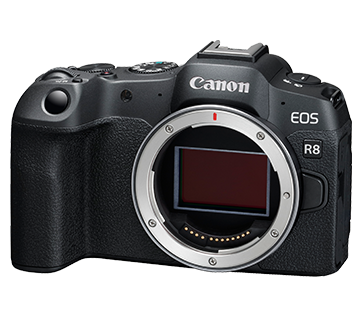
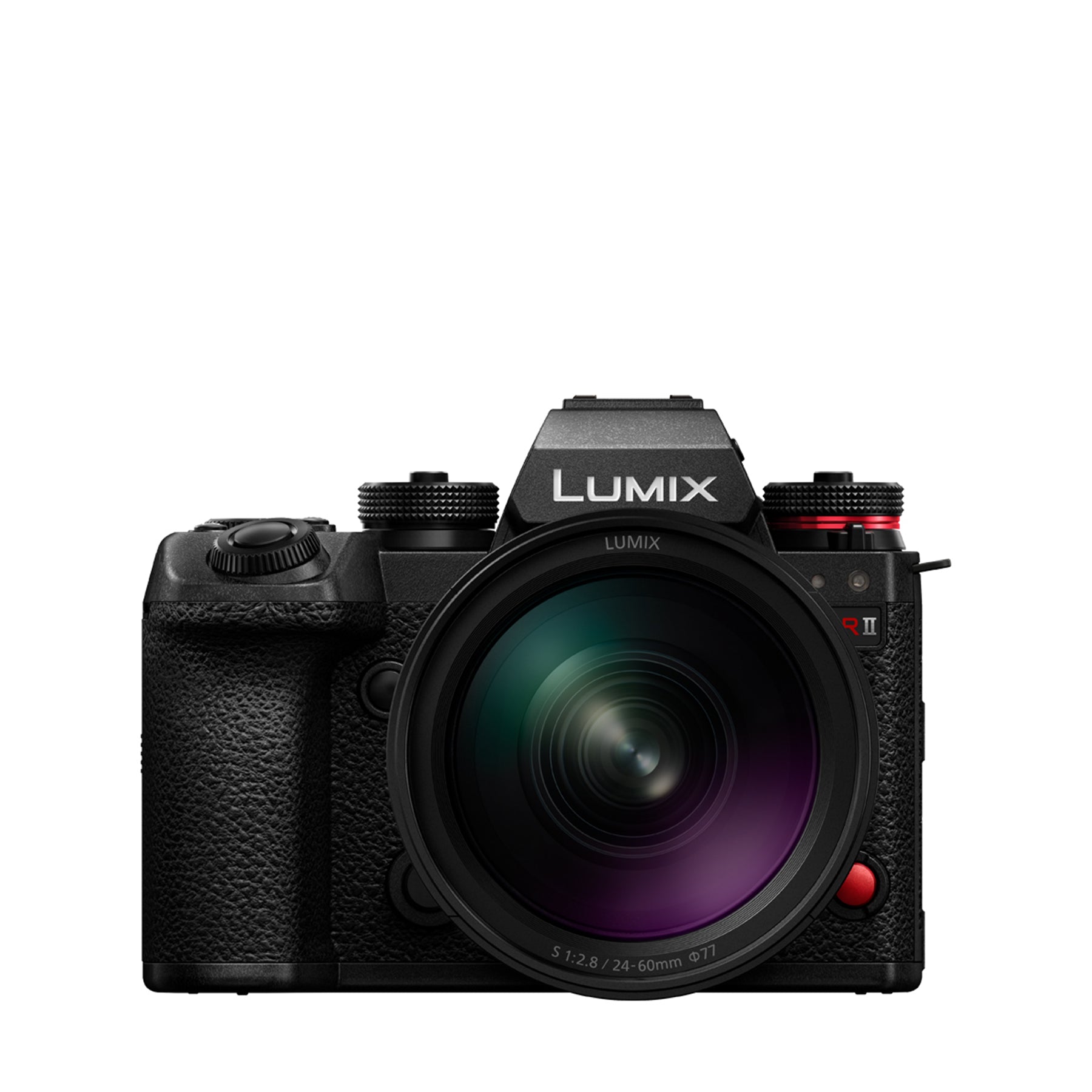
The Canon EOS R8 and Panasonic S1R II are two prominent full-frame mirrorless cameras that are often compared by photographers and videographers alike. Each camera appeals to a different segment of the market, with the Canon EOS R8 being more budget-friendly and portable, while the Panasonic S1R II targets professionals seeking high-resolution imaging and advanced video features. With their respective features, these cameras cater to those who prioritize either mobility or image fidelity, making a direct comparison essential for informed decision-making. Key differentiators include sensor resolution, video capabilities, and autofocus performance.
Specifications Comparison
Detailed Comparison
Image Quality
The Canon EOS R8 features a 24-megapixel full-frame sensor, delivering excellent image quality suitable for a variety of shooting scenarios. While it may lag behind in resolution, it provides impressive low-light performance, particularly with an ISO range of 100-102400, which allows for great flexibility in various lighting conditions. On the other hand, the Panasonic S1R II boasts a 44.3-megapixel full-frame sensor, offering superior detail, which is particularly valuable for landscape and studio photographers who require high-resolution images for large prints. This higher pixel count also translates to cropping flexibility, making it a favorite for photographers who often frame tight shots in post-production.
In terms of dynamic range and color reproduction, both cameras excel, although the S1R II's higher resolution can result in a bit more detail in highlights and shadows. The Canon's image processing tends to produce vibrant colors right out of the camera, while Panasonic's images may require slight tweaking in post-processing but translate into a more natural palette. Ultimately, the choice may come down to the use case; for detailed work, the S1R II has the edge, while the R8 may be more than adequate for general shooting needs.
Autofocus System
The autofocus systems on the two cameras differ significantly in both design and performance. The Canon EOS R8 features an impressive 1053-point Dual Pixel CMOS AF system, which provides fast and reliable focusing. This is particularly beneficial for moving subjects, making the R8 a solid choice for sports and wildlife photography. Additionally, the Canon system supports face and eye detection, enhancing its usability for portrait photography.
Conversely, the Panasonic S1R II, while having a less extensive autofocus system, offers a more focused experience with a 225-area contrast-detect system. Although the autofocus may not be as fast as the Canon's, it performs very well in controlled environments, making it effective for studio work. However, the S1R II lacks some advanced tracking features found in the Canon.
Given the substantial difference in autofocus capabilities, particularly in dynamic situations, the Canon R8 is often seen as superior regarding autofocus performance and usability.
Video Capabilities
When it comes to video features, the Panasonic S1R II stands out with its ability to record in 8K at 30p and 4K at 120p, offering excellent options for videographers and content creators looking for high resolution and slow-motion capabilities. This camera also provides advanced video features such as V-Log support, making it a powerhouse for professional filmmakers who need extensive post-production flexibility.
In contrast, the Canon EOS R8 supports 4K video at a maximum of 60p but lacks the high frame rates and resolutions that make the S1R II standoff in the video domain. While it still captures high-quality footage suitable for web and social media use, it does not reach the same level as the S1R II for serious videographers who want to integrate high-resolution footage into their projects.
The clear advantage in video capabilities goes to the S1R II, making it the preferred choice for creators focusing heavily on video work.
Build & Ergonomics
In terms of build quality, both cameras feature robust designs, but they cater to different user needs. The Canon EOS R8 is lightweight at 461 grams, making it an appealing choice for on-the-go photographers who value portability without sacrificing build quality. It also comes with weather sealing, giving it added robustness against the elements, which is crucial for outdoor shooting.
On the other hand, the Panasonic S1R II is larger and heavier, which might give it a sense of durability but reduces its portability. The larger size also assists in providing a more comfortable grip for some users, especially during extended shooting sessions. However, it can be less optimal for travel photographers who prioritize lightweight gear.
Ultimately, the decision between the two will depend on individual preference regarding ergonomics and usage scenarios: the versatile and lightweight nature of the R8 versus the more solid, durable feel of the S1R II.
Battery & Storage
Battery performance can greatly impact a photographer's experience in the field. The Canon EOS R8 uses a single battery that can capture approximately 370 shots per charge, which may be limiting for heavier usage days, while the Panasonic S1R II offers better endurance, rated for around 360 shots with its dual batteries providing additional flexibility in long shooting sessions.
In terms of storage, both cameras utilize dual card slots; the S1R II supports dual UHS-II SD cards, enhancing its storage capabilities, particularly essential for high-resolution video and burst photography. The R8, while having dual slots, may not match the S1R II's performance during heavy-duty video shooting but still remains adequate for standard use.
While both cameras have their strengths, Panasonic users may find themselves better equipped for long, intensive shoots due to a more equipped battery system and dual-slot configuration.
Value for Money
The Canon EOS R8 is priced at $1499, offering excellent value for photographers looking for a full-frame camera with versatile shooting features and strong performance in the autofocus department. Its affordability, coupled with solid performance in general photography, makes it appealing for enthusiasts upgrading from entry-level cameras.
Conversely, the Panasonic S1R II is positioned at a higher price point, reflecting its status as a high-resolution, professional-level camera packed with features better suited for intensive photographic applications. For specialized users who need an extensive range of features and high-resolution capabilities, the investment may be justified. However, for general consumers or hobbyists focusing on everyday photography, the R8 presents a more accessible option.
In terms of overall value, the R8 offers exceptional quality for a reasonable price, particularly for users who may not need the extensive features of the S1R II.
Our Verdict
Both the Canon EOS R8 and Panasonic S1R II have their unique strengths catering to different user needs. The R8 excels in affordability, portability, and strong autofocus capabilities, making it ideal for enthusiasts and general photographers seeking a capable all-rounder. In contrast, the S1R II appeals to professionals who prioritize high-resolution imaging and advanced video features. Choosing between them ultimately depends on specific requirements, whether that's an emphasis on portability and cost-effectiveness or the necessity for high-resolution detail and advanced video capabilities.
Canon EOS R8
Panasonic S1R II
Also Compare
Frequently Asked Questions
Which camera is better for low-light photography?
The Canon EOS R8 offers a broader ISO range (100-102400), which may provide more flexibility in low-light environments. However, the S1R II's higher megapixel count can also achieve good results in low light. Ultimately, both cameras perform well, but the R8 gives more options in varying light conditions.
Which camera has better autofocus?
The Canon EOS R8 features 1053 autofocus points, making it superior in tracking moving subjects effectively. The S1R II can struggle with fast-moving objects, making the R8 the better option for action-oriented photography.
Is the S1R II worth the extra cost?
If you require high resolution for detailed work, extensive video features like 8K recording, or if you're a professional needing a more robust camera for demanding situations, the S1R II justifies its higher price. However, for casual users or enthusiasts, the R8 offers exceptional value.
What is the battery life comparison like?
The Panasonic S1R II has a slight edge in battery performance and dual battery support, allowing for better endurance in extensive shooting situations. In contrast, the Canon EOS R8's single battery may require more management during longer shoots.
Which camera is better for video recording?
The Panasonic S1R II is superior due to its 8K recording capabilities and high frame rate options like 4K 120p. The Canon EOS R8 is limited to 4K 60p, making it less suitable for high-resolution video work.