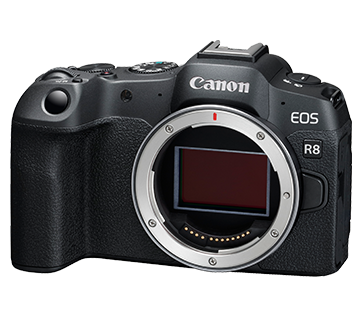
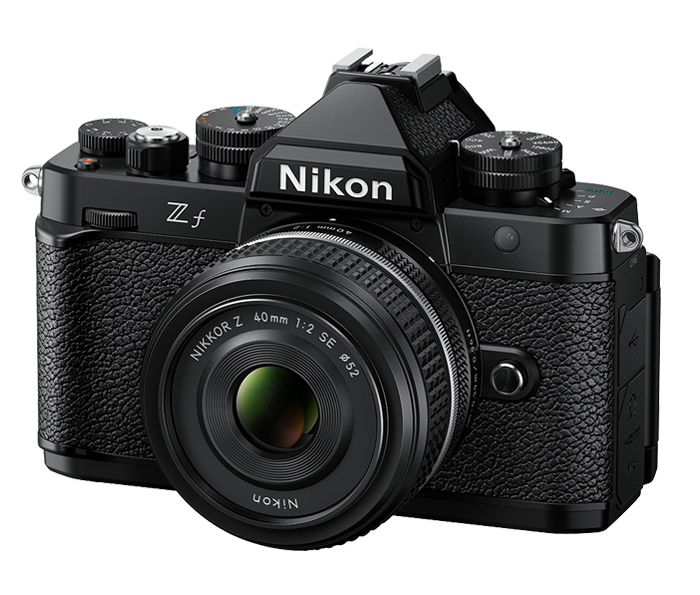
The Canon EOS R8 and Nikon Zf are two standout full-frame mirrorless cameras released in 2023, appealing to photography enthusiasts and professionals alike. Both models are designed to cater to a diverse audience, including those who are transitioning from DLSR to mirrorless systems, as well as seasoned photographers seeking a dependable second body. A comparison between these two cameras often revolves around their image quality, autofocus capabilities, video performance, and usability, making them top contenders in the full-frame segment.
Specifications Comparison
Detailed Comparison
Image Quality
When discussing image quality, both cameras put forth impressive specifications. The Canon EOS R8 features a 24MP full-frame sensor, while the Nikon Zf edges slightly ahead with a 25MP resolution. This minor difference may not be highly significant for typical use, but the increased megapixel count on the Zf may be advantageous in capturing finer details in certain scenarios. Additionally, both cameras excel in low-light performance, with the Canon offering an ISO range of 100-102400 and the Nikon providing a slightly broader range with its low-light capabilities. This allows photographers to push the boundaries even further while retaining dynamic range and detail.
The EOS R8's output is often characterized by Canon's signature color science, known for vibrant and warm tones, which can be preferred for portrait and landscape photography. The Zf, carrying Nikon's traditional color profiles, offers excellent detail retention and sharpness, making it a solid choice for diverse photographic applications. Overall, both cameras can produce stunning images, but the choice may come down to personal preference regarding color rendering and slight differences in megapixels.
Autofocus System
Autofocus performance can greatly influence a photographer's experience, especially in dynamic shooting environments. The Canon EOS R8 is equipped with an extensive autofocus system comprising 1053 points, which provides coverage across the frame and ensures accurate focus acquisition. This wide range of points can be particularly beneficial for capturing fast-moving subjects, such as in sports or wildlife photography.
In contrast, the Nikon Zf features a more streamlined autofocus system with 273 points, which, although fewer in number, is still quite effective. The Zf also benefits from Nikon's advancements in hybrid autofocus technology that can improve subject tracking, particularly for moving subjects like people or animals. While both systems are capable, the R8's more extensive point count affords greater flexibility, particularly in complex scenes, which earns it a point in this matchup.
Video Capabilities
Video performance is critical for many modern shooters, and here, both the Canon EOS R8 and Nikon Zf offer compelling features. Both cameras support 4K video recording at up to 60 frames per second, making them suitable choices for high-quality video production. However, the Canon R8 is limited to 6 frames per second in continuous shooting mode, which may affect its suitability for action-oriented video workflows, while the Nikon Zf supports a significantly faster maximum frame rate of 14 fps, which is ideal for capturing high-speed subjects in action.
While stabilization in both cameras can enhance handheld shooting, the Zf shines with its 8-stop in-body stabilization. This technology effectively minimizes camera shake, allowing for smoother footage during recording and greater versatility when shooting in various conditions without a tripod. Therefore, the Zf's combination of speed and stabilization makes it a more appealing choice for dedicated videographers.
Build & Ergonomics
Both cameras are built to withstand the rigors of professional photography with weather-sealed constructions. The Canon EOS R8, however, is noticeably lighter at 461g compared to the Nikon Zf, which weighs 710g. This weight difference could favor the R8 for extended shooting sessions and travel, making it a more portable option for on-the-go photographers.
The ergonomic design of each camera also varies slightly: the R8 features a streamlined grip that many photographers find comfortable, while the Zf's larger dimensions provide a more substantial feel that some users may prefer. The Zf also offers a slightly larger screen size of 3.2 inches with a higher resolution (2,100,000 dots), making it better for reviewing images and composing shots in bright conditions. Ultimately, preferences in handling would greatly depend on individual comfort, but the lighter weight of the R8 gives it a slight edge in portability.
Battery & Storage
Battery life can be a crucial component when considering which camera to choose. The Nikon Zf has a considerably better battery life, rated to capture approximately 380 shots on a full charge. On the other hand, the Canon EOS R8 offers no official battery life ratings but is generally understood to face limitations under heavy use due to its design. This distinction makes the Zf more suitable for long shooting sessions without needing frequent battery changes or recharging.
Both models utilize SD card storage, but the Zf's ability to handle larger files due to its higher megapixels may lead to quicker storage consumption. This factor can also affect user workflow, especially for users looking to maximize storage optimally. Considering these aspects, the Zf clearly provides superior battery longevity, making it a more reliable choice for those who need to shoot extensively without recharging.
Value for Money
In terms of pricing, the Canon EOS R8 is available for about $1499, while the Nikon Zf is a more expensive option at $1999. This pricing difference places the R8 as a more budget-friendly alternative, which may be attractive to entry-level photographers or enthusiasts looking to break into full-frame systems without significant financial investment.
However, the Zf's higher price point does come with enhanced features such as in-body stabilization and superior autofocus capabilities, which can justify the cost for professional users who prioritize performance. Buyers need to weigh their needs carefully; those primarily engaged in video work or faster-paced photography might find the Zf's additional cost worth the investment, while still benefiting from the R8's strong performance at a more accessible price point.
Our Verdict
Ultimately, the choice between the Canon EOS R8 and Nikon Zf heavily relies on specific needs and priorities of the photographer. The R8 excels in its affordability, light weight, and superior autofocus capabilities, making it an excellent choice for general photography and travel. Conversely, the Nikon Zf offers superior video performance, stabilization, and enhanced battery life, making it more suitable for dedicated videographers and professionals prioritizing those features. Both cameras represent excellent value within their price segments, catering to different segments of the photography market.
Canon EOS R8
Nikon Zf
Also Compare
Frequently Asked Questions
Which camera has better low-light performance?
Both the Canon EOS R8 and Nikon Zf perform well in low-light conditions; the Zf offers slightly improved capabilities due to its broader ISO range.
Is one camera better for landscape photography than the other?
Both cameras have strong features for landscape photography, but the R8's color science may appeal more to landscape photographers.
Do either of these cameras have in-body stabilization?
Yes, the Nikon Zf features 8-stop in-body stabilization, while the Canon EOS R8 does not have this feature.
Which camera is better for video work?
The Nikon Zf is better suited for video work due to its faster frame rates and in-body stabilization, making it ideal for capturing smooth footage.
How do the viewfinders compare?
Both cameras are equipped with electronic viewfinders, but specifications may vary in resolution and refresh rate; however, both provide a high-quality shooting experience.