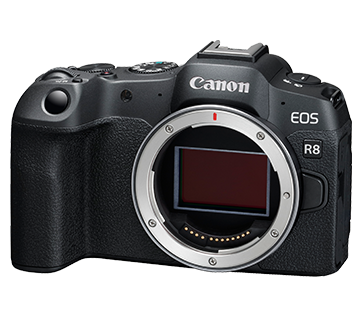
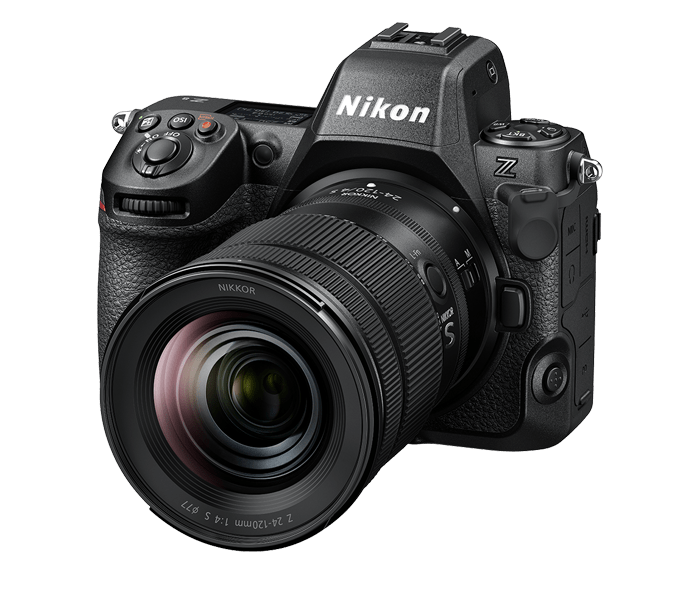
The Canon EOS R8 and Nikon Z8 are both powerful full-frame mirrorless cameras released in 2023, appealing to photographers and videographers alike. With their advanced capabilities and feature sets, they are often compared by enthusiasts and professionals looking to choose the best tool for their creative needs. Key differentiators include sensor resolution, autofocus performance, video capabilities, and overall build quality, making the choice between them one that significantly impacts both photography and videography experiences.
Specifications Comparison
Detailed Comparison
Image Quality
When it comes to image quality, the Nikon Z8 has the upper hand due to its impressive 46-megapixel sensor, offering greater detail and flexibility for large prints and extensive cropping. This high resolution allows photographers to capture intricate details in their shots, making it particularly suitable for landscape and portrait photography. The Canon EOS R8, while performing admirably with its 24-megapixel sensor, may not provide the same level of detail but can still produce stunning images in various lighting conditions thanks to its ISO range of 100-102400.
In terms of dynamic range and color reproduction, both cameras perform well, but the Z8 often edges out with a better ability to handle highlights and shadows, especially in challenging lighting scenarios. Additionally, both cameras feature full-frame sensors that facilitate attractive shallow depth of field and excellent low-light performance. Ultimately, while both cameras can produce remarkable images, those requiring the absolute best resolution for detailed work will find the Nikon Z8 more beneficial.
Autofocus System
The autofocus systems on both cameras reflect the manufacturers' innovations, but they cater to different needs. The Canon EOS R8 features an impressive 1,053 autofocus points, facilitating quick and accurate focusing on subjects, especially in dynamic shooting conditions. This is particularly advantageous for sports and wildlife photographers looking for speedy tracking capabilities.
In contrast, the Nikon Z8, with its 493 autofocus points, still provides strong performance, offering fast and reliable tracking for both stills and video, making it suitable for fast-paced scenarios. However, the R8's higher point count means it covers a broader area of the frame. Additionally, both systems incorporate advanced face and eye detection features, ensuring that subjects remain in focus even as they move. For comprehensive autofocus performance, the R8 steps ahead regarding tracking and versatility.
Video Capabilities
Videographers will find the Nikon Z8 to be a more capable option, offering 4K video recording at up to 120 frames per second, allowing for high-quality slow-motion footage. The ability to shoot at such a high frame rate is significant for filmmakers and content creators looking to add dynamic effects to their projects. In contrast, the Canon EOS R8 supports 4K video at 60 frames per second, which is still quite impressive but lags behind the Z8's capabilities in terms of frame rate options.
Furthermore, the Z8 also supports a higher bitrate for video recording, which enhances the overall image quality and post-production flexibility. Although the R8 lacks in video resolution and frame rate, it does provide essential functionalities like 10-bit 4:2:2 recording, which is favorable for many users. In the realm of video capabilities, the Nikon Z8 clearly outshines the Canon EOS R8.
Build & Ergonomics
Both cameras showcase solid build quality and weather-sealing, making them suitable for outdoor and rugged environments. The Canon EOS R8, weighing 461 grams, is significantly lighter than the Nikon Z8 at 910 grams, making it a more portable option for photographers who value mobility. Its smaller dimensions also cater to users who prefer compact camera systems.
On the other hand, the Nikon Z8 has a larger grip and controls that might cater to users with bigger hands or who engage in extended shooting sessions, where ergonomics and comfort are essential. Both cameras feature electronic viewfinders and articulating screens, albeit the Z8's slightly larger 3.2-inch display with higher resolution adds an advantage in composition and review clarity. Users may prefer the compactness of the R8 for everyday carry, while the Z8's robust build is likely more appealing to professionals and video shooters.
Battery & Storage
Battery performance can greatly impact a photographer's ability to shoot for extended periods, especially in challenging shooting conditions. The Canon EOS R8 boasts decent battery life but does not specify a shot count in the available data. Meanwhile, the Nikon Z8 provides a solid battery performance of 340 shots, which may be a limiting factor during long shoots without the opportunity to change or recharge batteries.
While the R8's effective use of energy management may provide it an edge in performance, the Nikon's more robust design means it can endure long shooting sessions while still retaining focus on high-resolution video and stills. In terms of storage, both cameras utilize widely available SD cards, but users might find the Nikon Z8's higher resolution demands greater storage capacities, impacting overall value and operational costs.
Value for Money
The pricing of both cameras is a significant consideration. The Canon EOS R8 retails for $1,499, providing excellent value for entry to mid-level enthusiasts seeking a full-frame mirrorless camera. It offers essential features for both photography and videography without overstretching budgets. Its balance of weight, portability, and performance makes it an ideal candidate for travel and casual use.
In contrast, the Nikon Z8, priced at $3,999, targets professionals who demand high performance, superior image resolution, and advanced video capabilities. While it offers advanced features and build quality, its price point may be a barrier for many potential buyers, especially those who do not require such high-end specifications. Thus, for budget-conscious users or those entering the full-frame mirrorless space, the Canon EOS R8 is clearly the more appealing option.
Our Verdict
The Nikon Z8, with its superior image resolution, enhanced video capabilities, and overall robust build quality, stands out as the overall winner for professionals seeking uncompromised performance. Its features cater towards filmmakers and photographers who require advanced functionalities, particularly in high-resolution work. Conversely, the Canon EOS R8 excels in providing a lighter, budget-friendly option for enthusiasts and travelers who prioritize versatility and portability over top-tier specifications. For casual shooters, the R8 is an excellent choice, while the Z8 is tailored for those who need the very best without concern for the price tag.
Canon EOS R8
Nikon Z8
Also Compare
Frequently Asked Questions
Which camera is better for wildlife photography, the Canon EOS R8 or Nikon Z8?
If you're focusing on wildlife photography, the Canon EOS R8 offers more autofocus points, improving subject tracking, which is crucial in fast-paced scenarios. However, the Nikon Z8's higher resolution can capture more detail, making it a strong choice if you want to crop and retain quality.
Is the video quality significantly better on the Nikon Z8 compared to the Canon EOS R8?
Yes, the Nikon Z8 records 4K video at up to 120 fps, providing options for impressive slow-motion footage and more flexibility in shooting, whereas the R8 tops out at 60 fps. This makes the Z8 a better choice for serious videographers.
How important is the camera's weight and size when making a decision?
Camera weight and size can significantly impact portability and comfort during long shooting sessions. The Canon EOS R8 is lighter and more compact, making it easier for travel and casual photography, while the Nikon Z8's larger size offers a more substantial grip for stability but could become cumbersome for prolonged use.
Can the Canon EOS R8 handle low light conditions as well as the Nikon Z8?
Both cameras perform well in low light due to their full-frame sensors, but the R8 has a much wider ISO range and can deliver excellent results in challenging lighting conditions without significant noise.
Which camera has better lens options available?
Both Canon and Nikon have robust ecosystems for lens options. However, depending on your specific needs, you might find that one brand offers better-suited lenses for your photography style. Canon has an extensive choice of RF lenses, while Nikon's Z-mount ecosystem is rapidly growing with high-quality offerings.