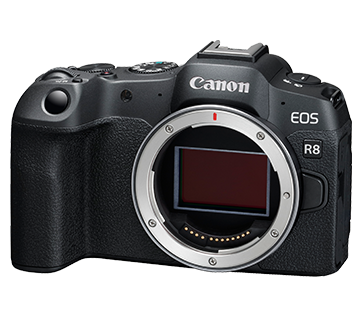
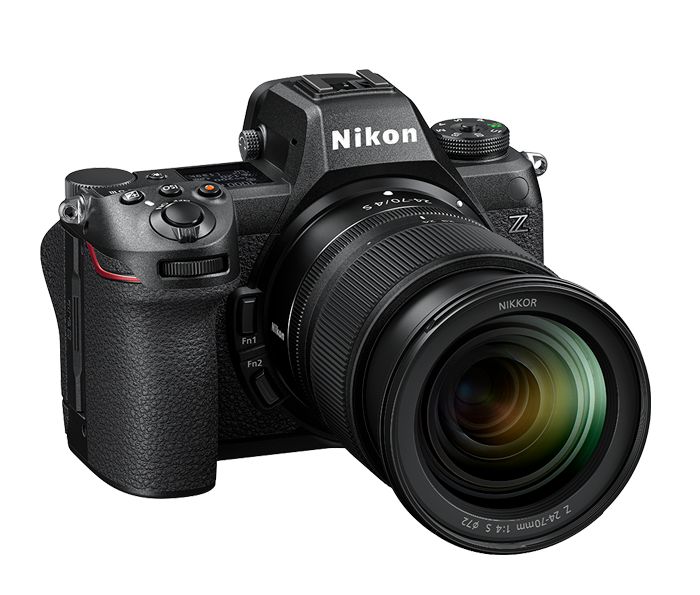
The Canon EOS R8 and the Nikon Z6III are two formidable contenders in the full-frame mirrorless camera market, appealing to both enthusiasts and professionals alike. Canon fans might lean toward the EOS R8 for its lightweight design and affordability, while Nikon users may be drawn to the advanced features and higher frame rate of the Z6III. As the market for mirrorless cameras expands, these two models often come up in direct comparisons due to their similar target audiences and capabilities. Key differentiators include sensor performance, autofocus systems, video capabilities, and physical build quality.
Specifications Comparison
Detailed Comparison
Image Quality
Both the Canon EOS R8 and the Nikon Z6III offer excellent image quality, thanks to their full-frame sensors. The EOS R8 boasts a 24MP sensor that captures images with vibrant colors and impressive dynamic range, performing well in various lighting conditions. Meanwhile, the Z6III has a slightly higher 25MP resolution, providing users with marginally more detail in their images, though the difference is quite minimal in practical scenarios. Additionally, the ISO range of the EOS R8 extends to 102,400, allowing for better low-light performance compared to the Z6III's maximum of 64,000. However, the Z6III's sensor is known for its excellent noise control, especially at lower ISO settings. In real-world use, both cameras deliver stunning image quality, but the EOS R8 may provide more versatility in low-light situations.
When it comes to color science, each brand has its own aesthetic. Canon typically leans towards warmer tones, while Nikon is known for its neutral and true-to-life colors. Ultimately, user preference plays a significant role here. To sum up, while both cameras provide fantastic image quality, the EOS R8 leads with better high ISO performance, while the Z6III gives slightly more detail due to its higher resolution.
Autofocus System
Autofocus performance is critical for capturing fast-moving subjects, making it a vital aspect of any camera system. The Canon EOS R8 features an impressive 1053 autofocus points which cover a significant portion of the frame, allowing for swift and accurate acquisitions. Additionally, Canon's Dual Pixel AF technology ensures smooth focus transitioning and reliable subject tracking, especially for video. On the other hand, the Nikon Z6III, with its 273 autofocus points, utilizes advanced tracking features but falls short when it comes to the sheer number of options available.
In practice, while the Z6III's autofocus system is responsive and reliable, it may struggle slightly with tracking continuously moving subjects compared to the EOS R8. Canon's Eye Detection AF system shines in portrait photography, maintaining focus on eyes effectively even in challenging compositions. Overall, for those relying heavily on fast and accurate autofocus, especially in dynamic shooting situations, the EOS R8 is the clear winner.
Video Capabilities
In the realm of video recording, the Canon EOS R8 supports 4K video at up to 60 frames per second, making it a strong choice for enthusiasts and professionals alike. Its 4K output is oversampled from 6K, resulting in high-quality footage and sharp details. However, it lacks in-body stabilization, which may hinder certain shooting scenarios, though electronic stabilization can somewhat compensate for this.
In contrast, the Nikon Z6III offers robust video capabilities, including up to 4K 60p recording with the bonus of 8-stop in-body stabilization, making it more appealing for handheld shooting. The Z6III's features such as N-Log and 10-bit internal recording give videographers more flexibility when it comes to color grading and post-production. For serious filmmakers who prioritize stabilization and advanced features, the Nikon Z6III definitely has the upper hand. In conclusion, while both cameras are capable of producing fantastic video, the advanced features and stabilization of the Z6III make it the preferred option for dedicated video users.
Build & Ergonomics
When it comes to build quality, both cameras are weather-sealed, making them suitable for outdoor photography and condition-sensitive environments. However, the Canon EOS R8 is significantly lighter at 461g compared to the 760g of the Nikon Z6III. This weight difference can be a key factor for photographers who plan to carry their cameras for extended periods.
In terms of ergonomics, the EOS R8 features a compact design that some users might prefer for its smaller footprint, making it easy to handle without fatigue. Conversely, the Z6III has a slightly more substantial grip which can provide additional comfort during prolonged use, especially for those with larger hands. Both models come equipped with electronic viewfinders and fully articulating screens, ensuring versatility in various shooting positions. Overall, while the EOS R8 is favored for portability, the Z6III may be chosen for comfort during extended sessions. This section is a tie as both have their strengths based on user preferences.
Battery & Storage
Battery life is an essential consideration for photographers and videographers. The Nikon Z6III provides approximately 380 shots per charge, which is quite decent but still significantly behind many of its competitors in the full-frame mirrorless space. The Canon EOS R8, on the other hand, doesn't have an official battery life rating but is noted by users to be very efficient, especially for casual shooting, although its exact numbers can fluctuate depending on usage.
In terms of storage, both cameras offer dual card slots for flexibility and reliability in saving images and videos. The Z6III's slots support CFexpress and SD cards, which can handle high-speed bursts and 4K video recording effectively. The EOS R8 primarily utilizes SD cards. While both cameras provide solid solutions for storage, the added robustness of the Z6III's CFexpress slot is a definite advantage for high-demand users.
In conclusion, while the Z6III wins on battery life and storage versatility, the usability of the R8 in regular scenarios could appeal to those who prefer practical efficiency over specifications alone, maintaining a close comparison.
Value for Money
When it comes to pricing, the Canon EOS R8 has a significant advantage, retailing at $1499, making it an attractive option for those looking to enter the full-frame mirrorless market without breaking the bank. This lower price point may appeal to enthusiasts seeking a capable yet affordable camera for various photographic needs. The excellent image quality, combined with a lightweight design, makes it a solid entry-level choice with a lot of value.
In contrast, the Nikon Z6III comes with a much higher price tag of $2500, which may deter some buyers, especially those who are just starting their journey in photography. However, for professional users who require the advanced features such as outstanding video capabilities, superior autofocus, and robust build quality, this price may well be justified. Therefore, those requiring optimal performance for professional applications might find the investment worthwhile.
From a value perspective, the EOS R8 stands out as a fantastic choice for budget-conscious buyers, while the Z6III is viewed as a luxury option for serious photographers and videographers willing to spend more for enhanced capabilities.
Our Verdict
The Canon EOS R8 emerges as the overall winner when considering value, image quality, and autofocus performance, making it an ideal choice for those who want a lightweight, capable full-frame camera at an affordable price. In contrast, the Nikon Z6III, while excelling in video capabilities and stabilization features, requires a heavier financial commitment which may only be justified for dedicated videographers or professionals. Ultimately, the choice between these two models will come down to individual needs: budget and portability favor the EOS R8, while advanced video features and in-body stabilization make the Z6III attractive for discerning users.