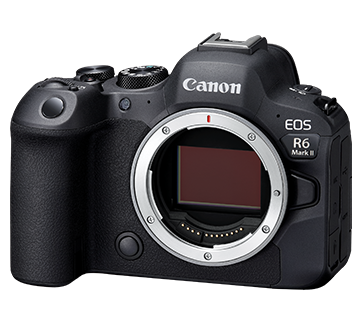

The Canon EOS R6 Mark II and Sony A9 III are both powerful options in the full-frame mirrorless camera market, frequently compared due to their high-end specifications and features that appeal to both professional photographers and serious enthusiasts. Photographers who prioritize speed and performance in dynamic shooting environments may find themselves deliberating between these two models. The R6 Mark II can be especially suited for those favoring versatile photography skills, while the A9 III generally appeals to sports and wildlife photographers who require rapid shooting and advanced autofocus capabilities.
Specifications Comparison
Detailed Comparison
Image Quality
The Canon EOS R6 Mark II features a 24-megapixel full-frame sensor that provides excellent image quality, particularly in low-light conditions, thanks to its impressive ISO range of 100-102400 (expandable to 204800). This allows photographers to maintain detail and clarity even in challenging lighting scenarios. With Canon's renowned color science, skin tones and vibrant colors are rendered beautifully, making it a favorite for portrait and wedding photography. On the other hand, the Sony A9 III has a slightly higher resolution at 25 megapixels, which may appeal to those looking for a tiny bit more detail in landscapes or prints. It also benefits from Sony's advanced image processing, which contributes to low-light performance and dynamic range. Both cameras deliver remarkable image quality, but the difference in megapixels is minimal and may not be noticeable in everyday use. In essence, both cameras produce stunning images with superb detail and color rendition. The EOS R6 Mark II's lower megapixel count might offer better high ISO performance, useful for events or indoor shoots, while the A9 III's higher resolution could be beneficial for larger prints. Overall, this category can be viewed as a tie, as both cameras perform excellently and will satisfy the needs of most photographers.
Autofocus System
The autofocus systems on both the EOS R6 Mark II and the A9 III are impressive, though notable differences exist. The R6 Mark II features a staggering 4897 autofocus points, which provide a wide coverage area and exceptional tracking capabilities across the frame, making it versatile for various subjects, especially in portrait and event photography. Canon's Dual Pixel AF technology also ensures smooth and responsive autofocus performance. In comparison, the Sony A9 III touts a more compact yet still formidable autofocus system with 693 phase-detection points and 425 contrast-detection points, making it especially strong in fast-paced subjects, such as sports and wildlife photography. The A9 series is renowned for its real-time eye autofocus and subject tracking capabilities, which often sets the standard in the industry. While both systems are outstanding, the R6 Mark II excels in general versatility, whereas the A9 III specifically shines in fast-paced and action scenarios. Thus, users focused on dynamic subjects will likely lean towards Sony for its advanced tracking capabilities. In conclusion, due to the extraordinary performance in fast action and tracking, the winner here is the Sony A9 III.
Video Capabilities
Both the Canon EOS R6 Mark II and Sony A9 III offer strong video specifications, catering to a growing segment of content creators. The R6 Mark II allows for 4K recording at up to 60 frames per second, providing excellent quality for filmmaking and vlogging. Additionally, it features 10-bit 4:2:2 internal recording, which is crucial for color grading and post-production flexibility. In contrast, the Sony A9 III takes it a step further with 4K recording up to 120 frames per second, enabling smooth slow-motion playback and elevated creative options. It also supports 10-bit 4:2:0 internal recording and excellent heat management, allowing for extended recording times without overheating. Both cameras have outstanding video capabilities, but the higher frame rate on the A9 III is a significant advantage for videographers looking to create slow-motion effects and more dynamic video experiences. For those who prioritize video performance, the Sony A9 III stands out as the superior option. Thus, the A9 III wins in this category due to its advanced video specs.
Build & Ergonomics
When it comes to build quality and ergonomics, the Canon EOS R6 Mark II is slightly larger and heavier at 670 grams, but this can provide a more substantial feel in the hands, appealing to users who prefer a more robust camera to grip. It features weather sealing that ensures durability in various conditions, which is vital for outdoor photographers. The 3-inch touchscreen also offers easy navigation and flexibility in shooting angles. The Sony A9 III has a relatively lighter weight of 617 grams and a slightly smaller footprint, making it a popular choice for photographers seeking a lighter setup for long shooting sessions. The build is also sturdy, with superior weather sealing and an overall design that facilitates accessibility of controls. The larger 3.2-inch touchscreen does provide more viewing area, which can enhance the user experience. Both models exhibit high-quality build standards, offering durability and comfort for extended use. The choice between them may hinge on personal preference regarding weight and feel in hand. However, the Sony A9 III slightly edges out due to its lighter body and larger screen, making it the preferred option for prolonged usage. Therefore, the winner in this section is the Sony A9 III.
Battery & Storage
The Canon EOS R6 Mark II is rated for up to 580 shots on a single charge, which is quite decent for a mirrorless camera. It uses the Canon LP-E6NH battery, allowing for extended shooting sessions, especially beneficial during events or long days out. The camera offers dual card slots compatible with SD UHS-II cards, enhancing speed and storage options for image and video files, an important feature for professionals handling large amounts of data. Conversely, the Sony A9 III improves on battery life with a noteworthy upgrade, theoretically allowing for more than 500 images per charge. Though it has a smaller capacity, its efficiency in power management can extend actual performance during regular use. Sony also features dual card slots but adheres to CFexpress Type A and SD card formats, catering to speed and storage flexibility essential for high-speed shooting demands. Despite both cameras providing dual card slots, the R6 Mark II offers better rated battery life, while the A9 III prioritizes speed and higher storage capabilities with its CFexpress Type A options. Therefore, while both excel in their ways, the Canon's extended battery life gives it a slight advantage in terms of reliability for long durations without recharging. This round goes to the Canon EOS R6 Mark II.
Value for Money
In evaluating value, both the Canon EOS R6 Mark II and the Sony A9 III are positioned in the higher-tier segment of mirrorless cameras, appealing to serious photographers and videographers. The R6 Mark II typically retails at a slightly lower price point than the A9 III, making it a more attractive option for those working within a budget without compromising on quality. The distinct features each camera provides also play into perceived value. For instance, the R6 Mark II's impressive stabilization, fast shooting capabilities, and superior low-light performance make it a robust choice for a range of photography styles. Conversely, the A9 III, while more expensive, offers high-speed performance, superior autofocus, and expanded video functionalities, placing it in a league of its own for action and video work. Ultimately, which camera represents greater value may depend significantly on specific user needs-those seeking a versatile all-around camera may find the R6 Mark II to provide better value, while dedicated sports and action photographers may justify the additional investment for the A9 III due to its performance enhancements. The Canon EOS R6 Mark II ultimately comes out ahead in this category due to its more budget-friendly pricing while offering similar features.
Our Verdict
In the overall comparison, the Sony A9 III edges out with its exceptional autofocus system and advanced video capabilities, making it a standout choice for sports and wildlife photographers. While the Canon EOS R6 Mark II offers excellent versatility and strong performance, particularly in low-light scenarios, the A9 III's offerings are tailored more for those who prioritize speed and dynamic shooting. Buyers can feel confident in either choice depending on their specific needs, but for those focused on capturing fast-moving subjects or producing high-quality video content, the Sony A9 III becomes the clear frontrunner.
Canon EOS R6 Mark II
Sony A9 III
Also Compare
Frequently Asked Questions
Which camera is better for low-light shooting?
The Canon EOS R6 Mark II is better for low-light shooting due to its wider ISO range and lower megapixel count, allowing for cleaner images in dark environments.
What is the primary advantage of the Sony A9 III?
The Sony A9 III excels with its high-speed performance, particularly its autofocus capabilities, making it ideal for capturing fast action in sports and wildlife photography.
Is the video quality better on the Canon or Sony?
The Sony A9 III provides superior video capabilities with higher frame rates, especially for 4K recording, which allows for smoother slow-motion footage compared to the Canon EOS R6 Mark II.
How do the lenses compare for each system?
Both systems offer strong lens ecosystems, but lens availability can vary. Canon's RF mount has a selection of high-quality lenses for various photography styles, while Sony's E mount has a wider range of professional options and third-party support.
Which camera offers better battery life?
The Canon EOS R6 Mark II offers a slightly longer battery life rated at about 580 shots, compared to the Sony A9 III, although both cameras perform well in their respective categories.