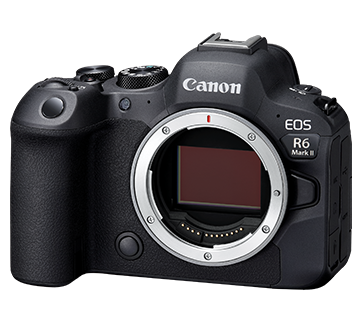

The Canon EOS R6 Mark II and the Sony A9 II are two powerhouse cameras that frequently enter the discussions of professional photographers and videographers. Both models are designed for performance-driven users, such as sports and wildlife photographers, who demand rapid burst rates and excellent autofocus capabilities. Their full-frame sensors and impressive specifications make them comparable options for serious enthusiasts and professionals alike. However, their individual strengths and weaknesses can significantly affect the buying decision depending on specific use cases and preferences.
Specifications Comparison
Detailed Comparison
Image Quality
Both the Canon EOS R6 Mark II and the Sony A9 II feature 24-megapixel full-frame sensors that deliver excellent image quality across various lighting conditions. The R6 Mark II's ISO range of 100-102400 (expandable to 204800) allows for greater flexibility when shooting in low light, showcasing its strength in high ISO performance. In contrast, the A9 II has a slightly narrower native ISO range of 100-51200 (expandable to 50-204800), which might limit its usability in extremely low-light situations. In practice, both cameras produce rich color profiles and impressive dynamic range; however, the wider ISO capabilities of the R6 Mark II could give it an edge in challenging environments.
Autofocus System
Autofocus is crucial for fast-paced photography, and here both models have their unique strengths. The Canon EOS R6 Mark II boasts an impressive 4897 autofocus points, allowing for precise tracking and fast acquisition, especially useful in dynamic scenes. Meanwhile, the Sony A9 II has a remarkable 693 autofocus points and is renowned for its real-time Eye AF technology, which works incredibly well for both human and animal eyes. While the R6 Mark II's AF coverage is expansive, the nuanced performance and advanced tracking algorithms of the A9 II might appeal more to users who prioritize advanced subject tracking and handling of erratic movements.
Video Capabilities
In terms of video performance, the Canon EOS R6 Mark II supports 4K video recording at 60p, providing excellent options for high frame rate recording. This makes it more suitable for video creators who require high-quality, high-frame-rate footage. The Sony A9 II, on the other hand, limits 4K video recording to 30p, which may not meet the demands of some videographers. Additionally, the R6 Mark II's 8-stop in-body image stabilization is superior to the A9 II's 5.5 stops, which helps ensure smooth footage even while handheld. Overall, for video-centric users, the R6 Mark II clearly excels.
Build & Ergonomics
Both cameras boast weather-sealed bodies that are designed to withstand rigorous shooting conditions, giving photographers the confidence to shoot in challenging environments. The Canon EOS R6 Mark II, weighing in at 670g, feels slightly lighter than the Sony A9 II's 678g. The dimensions also favor the R6 Mark II in terms of size, although both cameras are comfortable and ergonomically designed for extended use. Canon's vari-angle touchscreen on the R6 Mark II can provide more flexibility for creative shooting angles, especially for vlogging or creative compositions, giving it an advantage in ergonomics and usability.
Battery & Storage
Battery life is another critical factor, especially for professional use. The Canon EOS R6 Mark II has a CIPA rating of 580 shots, whereas the Sony A9 II slightly edges it out with up to 690 shots. This difference isn't massive, but can be beneficial during long shooting sessions. In terms of storage, both cameras support dual memory card slots; however, they differ in formatting compatibility, with the EOS R6 Mark II using CFexpress Type B and SD UHS-II, while the A9 II uses the same format but includes faster writing speeds. This makes the A9 II a solid option for users shooting high-burst rates or recording high-resolution video, as quicker write speeds can enhance performance.
Value for Money
Pricing is a significant consideration for many buyers. The Sony A9 II has a higher price tag of around $4500, which can make it less accessible for hobbyists. In contrast, Canon's EOS R6 Mark II offers similar performance at a more favorable cost, without compromising on essential features like high ISO performance and 4K video capabilities. For those seeking a well-rounded camera with excellent value, the R6 Mark II represents a better investment overall, particularly given its superior video capabilities and ergonomic advantages.
Lens Ecosystem
The lens selection can also influence a buyer's decision. Canon's RF mount for the EOS R6 Mark II is relatively new and continues to grow, providing cutting-edge optics that leverage the full potential of its sensor. However, Canon's existing EF lenses can still be used via an adapter, adding to versatility. The Sony E-mount ecosystem is well-established and vast, comprising a multitude of options, including third-party lenses. For photographers deeply invested in either system, the existing lens choice may heavily influence their decision, as both brands provide excellent prime and zoom options.
Our Verdict
Overall, the Canon EOS R6 Mark II emerges as the preferred camera, mainly due to its superior video capabilities, wide ISO performance, and user-friendly ergonomics, all combined at a more attractive price point. The Sony A9 II, while excellent for sports and action photography due to its advanced autofocus system, may fall short for those seeking video performance or budget-conscious options. Users looking for an all-around option with a strong emphasis on both photo and video capabilities will find the R6 Mark II more appealing, whereas those who prioritize fast-frame-rate photography and eye-tracking autofocus might still lean toward the A9 II.
Canon EOS R6 Mark II
Sony A9 II
Also Compare
Frequently Asked Questions
Which camera is better for low-light photography?
The Canon EOS R6 Mark II has a wider ISO range compared to the Sony A9 II, making it better suited for low-light conditions and nighttime shooting.
What is the main advantage of the Sony A9 II?
The main advantage of the Sony A9 II lies in its autofocus system, particularly its real-time Eye AF, which excels in tracking moving subjects for sports and wildlife photography.
Can I use my existing lenses with these cameras?
Yes, if you have existing Canon EF lenses, you can use them on the Canon EOS R6 Mark II with an adapter. Similarly, Sony E-mount lenses are plentiful and compatible with the A9 II.
Which camera is more suitable for video work?
The Canon EOS R6 Mark II is superior for video, supporting 4K recording at 60p, higher stabilization, and overall better video features compared to the Sony A9 II, which caps at 4K 30p.
How do the battery lives compare?
The Sony A9 II offers a slightly longer battery life at around 690 shots compared to the R6 Mark II's 580 shots, making it more suitable for longer photo sessions without a recharge.