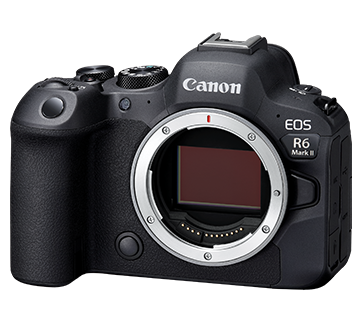
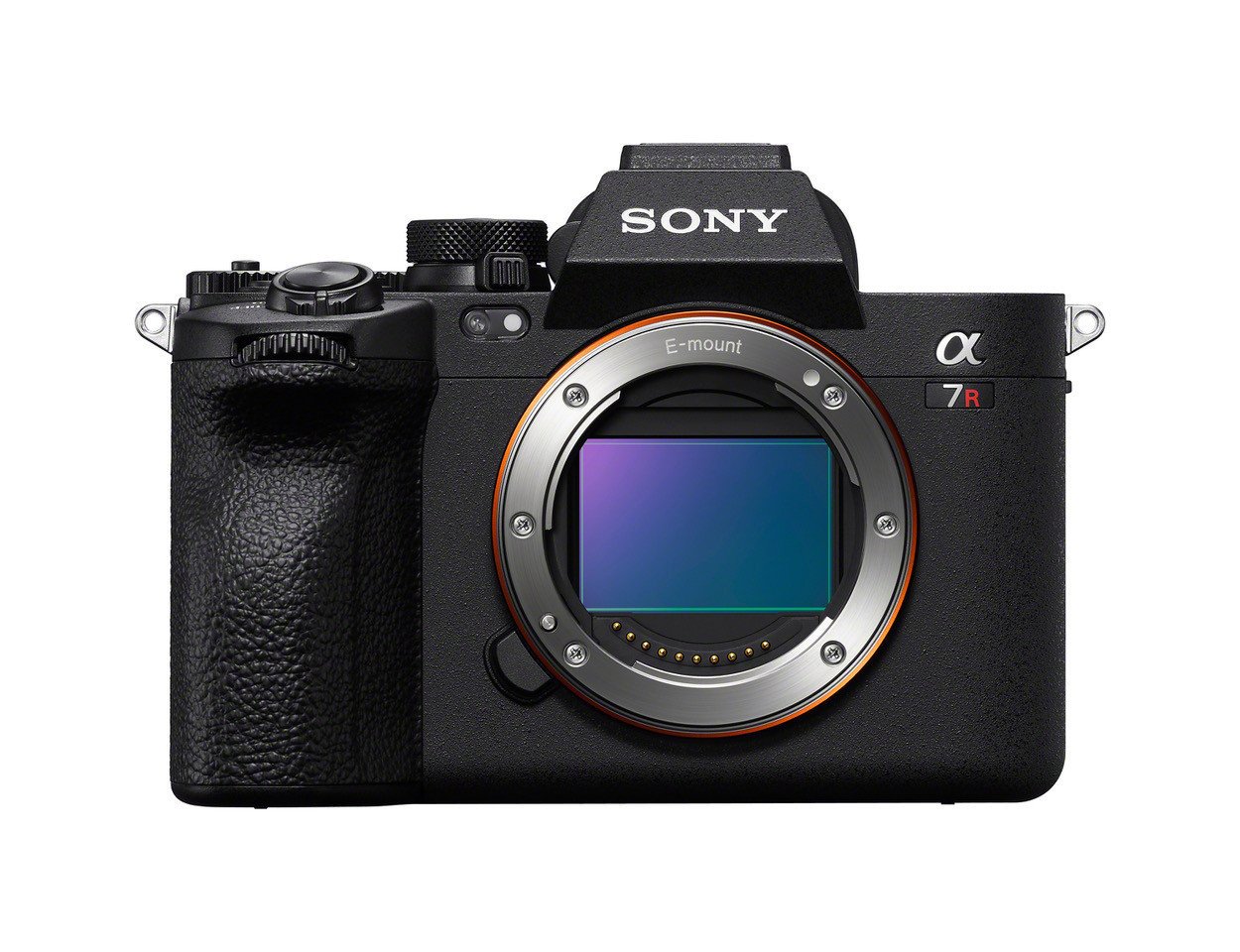
The Canon EOS R6 Mark II and the Sony A7R V are two of the most sought-after full-frame mirrorless cameras on the market, often compared by both professional photographers and enthusiastic hobbyists. The decision between these two models typically revolves around whether one prioritizes resolution and detail capture or fast performance and operational ease. Both cameras target a range of users including those in portrait, landscape, and event photography, making them versatile choices for different photographic styles. Furthermore, their advanced features and robust specifications make them competitive alternatives for anyone looking to invest in high-end imaging technology.
Specifications Comparison
Detailed Comparison
Image Quality
Image quality is greatly influenced by the sensor resolution and performance, which are key distinctions between the Canon EOS R6 Mark II and the Sony A7R V. The A7R V boasts an impressive resolution of 60 megapixels compared to the R6 Mark II's 24 megapixels. This higher resolution allows the A7R V to produce much larger images with more detail, which is particularly beneficial for large prints and detailed cropping. In strong lighting conditions, the image quality from both cameras is remarkable, but the A7R V's extra megapixels shine in capturing intricate textures and details.
Autofocus System
When it comes to autofocus performance, both cameras excel, but differ in their approach and system capabilities. The Canon R6 Mark II features 4,897 autofocus points, significantly enhancing its coverage and ensuring fast and precise focusing, particularly in dynamic scenes. Meanwhile, the Sony A7R V's autofocus system uses 693 phase-detection points, also offering rapid focus locking and reliable tracking of moving subjects. Each camera employs sophisticated subject detection, including human and animal tracking. In practical usage, both systems offer excellent performance, but the R6 Mark II's faster max frame rate allows it to capture more images in quick succession, which can be a deciding factor for action photographers.
Video Capabilities
Both the Canon EOS R6 Mark II and the Sony A7R V support 4K video at 60 frames per second, making them suitable for high-quality video production. However, the R6 Mark II enhances its appeal to videographers with its superior high ISO performance and in-body stabilization, which mitigates shakes and vibrations effectively during video recording. Both cameras also offer various video profiles including Canon Log and S-Log3 for post-production flexibility, but users may find Canon's user-friendly interface and customizable options favorable for easier handling in a fast-paced shooting environment. Hence, while both cameras deliver excellent video performance, the R6 Mark II's features make it more versatile for videographers.
Build & Ergonomics
In terms of build quality, both cameras feature weather-sealed bodies designed for durability in challenging conditions. The Canon R6 Mark II has slightly larger dimensions and weighs a bit less at 670g, making it comfortable for extended shooting sessions. The ergonomic design of the Canon includes a fully articulating screen, which is a significant advantage for vloggers and content creators who need flexibility in framing shots. The Sony A7R V offers a slightly smaller screen but with higher resolution. Both cameras have user-friendly layouts with customizable buttons, but the R6 Mark II's grip is often regarded as more comfortable, especially for extensive fieldwork.
Battery & Storage
Regarding battery life, the Canon EOS R6 Mark II provides slightly superior performance with a battery life of around 580 shots, whereas the Sony A7R V's life is approximately 530 shots. This can make a notable difference in long shooting events. Both cameras support dual card slots, enhancing storage flexibility. However, the R6 Mark II's faster burst shooting capabilities paired with its longer battery life could offer a strategic advantage for sports or event photographers who are speed-driven and require sustained performance over extended periods.
Value for Money
Considering the price-to-feature ratio, the Canon EOS R6 Mark II is quite competitive, typically priced lower than the Sony A7R V, which retails at around $3,900. While the A7R V offers a higher resolution sensor and advanced features catering to professional photographers focused on detail capture, the R6 Mark II provides excellent video capabilities and overall performance that could appeal to a wider range of users. This affordability along with its versatile features represents a balanced value proposition for many buyers who require a capable camera across various shooting scenarios.
Our Verdict
In conclusion, the Canon EOS R6 Mark II emerges as the overall winner in this comparison due to its superior balance of performance, user-friendliness, and value for money. While the Sony A7R V excels in raw resolution and detail capture, it comes at a higher price point. Photographers who prioritize action, versatility, and usability may find the R6 Mark II more attractive. In contrast, those focused on maximum image detail for large prints or specific professional applications might prefer the A7R V. Ultimately, the best choice depends on an individual's photographic needs and budget.
Canon EOS R6 Mark II
Sony A7R V
Also Compare
Frequently Asked Questions
Which camera is better for low-light photography?
The Canon EOS R6 Mark II offers a broader ISO range, with better high ISO performance, making it a superior choice for low-light conditions compared to the Sony A7R V.
Is the stabilization better in one camera over the other?
Both cameras feature 8 stops of in-body stabilization, so neither has a distinct advantage in this area; both perform exceptionally well in minimizing camera shake.
For video work, which camera is preferable?
The Canon EOS R6 Mark II is better suited for video work due to its ergonomic design with a fully articulating screen and superior high ISO performance, although both record in 4K 60p.
How do the autofocus systems compare?
While both systems are excellent, the Canon R6 Mark II features more autofocus points allowing slightly better coverage, while the Sony A7R V performs well with its rapid phase-detection capabilities.
What about lens options and ecosystem?
Canon's RF mount is expanding quickly with diverse lens options, while Sony's E-mount has an extensive lineup established over the years, appealing broadly to users with specific lens needs.